By FundingsStartup Editorial Team | May 2026 | 12 min read
Why India’s Startup Moment Has Finally Arrived
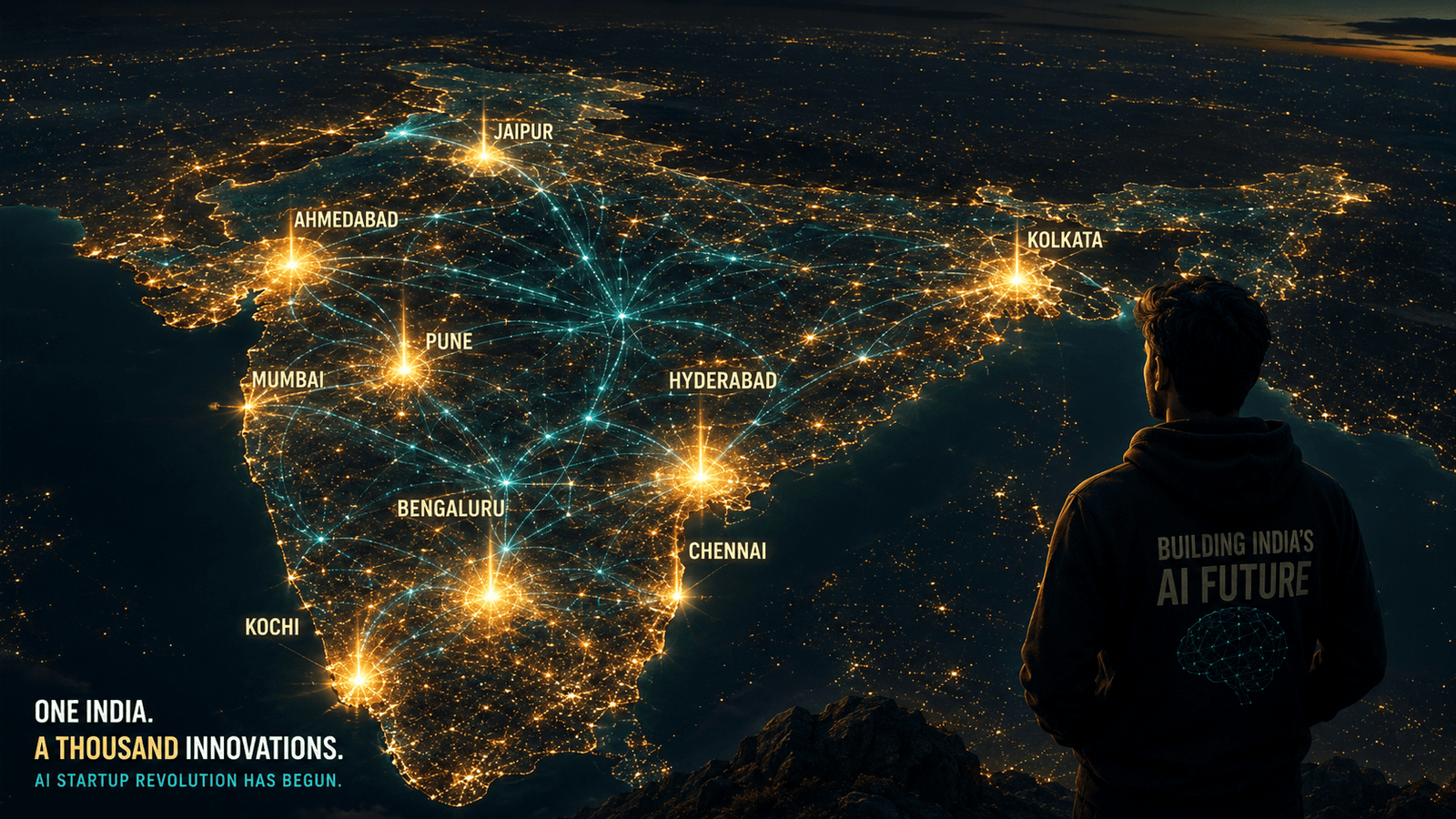
For the last decade, every global startup conversation eventually came back to the same geography: Silicon Valley. But in 2026, the most important startup story in the world is not being written in San Francisco. It is being written in Bengaluru, Mumbai, Hyderabad, Pune, Chennai, and Ahmedabad — by startup founders in their twenties who are building AI-powered companies that are competing on a global stage.
India is now the world’s second-largest Generative AI startup ecosystem. The Indian startup ecosystem raised $9.1 billion in 2025 — a 23% increase year-on-year — with AI accounting for 91% of all deeptech startup funding. AI-specific startup funding in India surged 58% to reach $1.22 billion across 188 deals.
This article maps the nine most explosive India AI startup trends creating the next generation of young startup millionaires — and shows you exactly how to position your startup to benefit from each one.
What makes the startup opportunity of 2026 genuinely different from any previous startup boom in India is the convergence of three forces that have never aligned this way before. First, the global AI tool stack is available to every Indian startup founder at the same price as it is available to a founder in San Francisco. Second, the Indian government has made the most startup-founder-friendly compute and capital commitments. And third, global investors are explicitly prioritising India as a startup geography because the combination of talent density, market scale, and cost efficiency is simply unmatched anywhere else on earth.
“India’s startup ecosystem in 2026 is not catching up to the world. It is defining the world’s next startup chapter.”
Startup Trend 1 — India Is Now the World’s #2 GenAI Startup Ecosystem

The single most important context for every startup founder in 2026: India now hosts approximately 890 Generative AI startups — making it the second-largest GenAI startup ecosystem globally after the United States. This is documented current state, not projection.
The implication for any startup founder is profound. Being in India in 2026 does not mean being at a disadvantage in the global startup race. It means being part of the second-most-active startup ecosystem on earth, with all the talent density, investor attention, and infrastructure benefits that come with that position.
Global investors are explicitly tracking AI startups. According to Crunchbase’s Q1 2026 startup funding data, startup deal flow is being monitored by investors in Singapore, UAE, the US, and Europe more closely than at any previous point. The question for an startup founder in 2026 is no longer “will global investors look at my startup?” It is simply “is my startup worth looking at?”
“Being an Indian startup founder in 2026 is not a disadvantage. It is a startup address that investors are actively looking for.”
Startup Trend 2 — The IndiaAI Mission Is Giving Startup Founders Free GPU Power
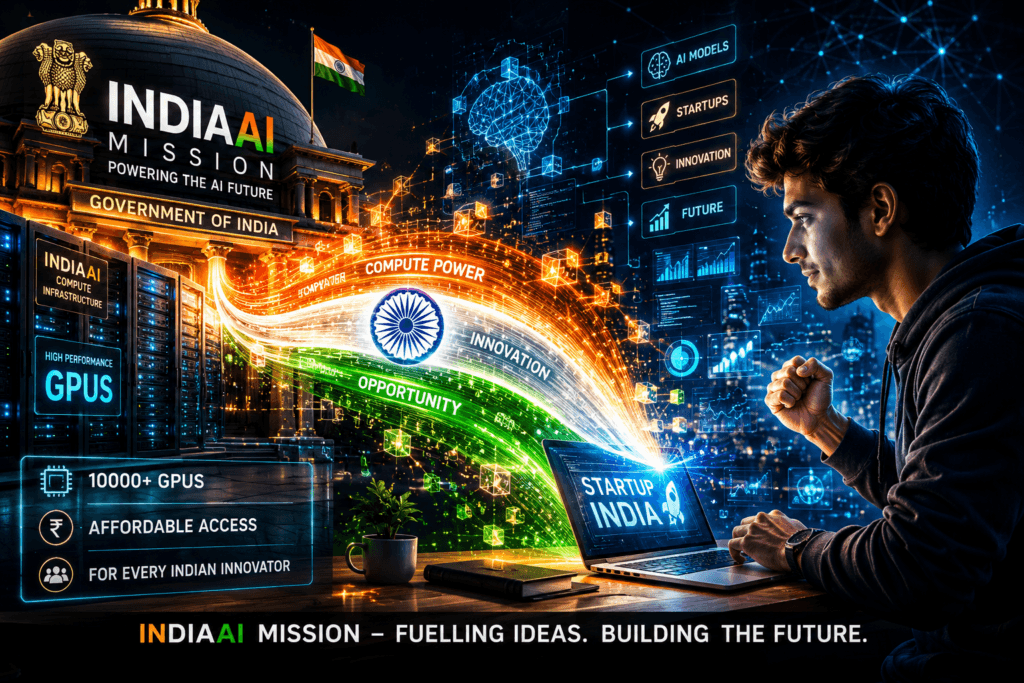
The single most underutilised startup resource in 2026 is the IndiaAI Mission — a government initiative that offers 100% compute subsidies for startup founders building foundational AI models. GPU compute is available at a subsidised rate of just ₹67 per hour — a fraction of global market rates.
For a startup founder building an AI model from scratch, this startup subsidy can save ₹50–100 lakh in compute costs in the first year alone. Most startup founders who could benefit from this startup programme are completely unaware it exists.
How to Access IndiaAI Mission Resources for Your Startup
- Visit the official portal and apply for compute access for your startup
- Your startup must be registered and working on foundational AI model development
- The startup application requires a technical description of your AI model and intended startup use case
- Processing time for startup compute applications is typically 4–6 weeks
Beyond the direct compute subsidy, the IndiaAI Mission provides startup founders with access to curated datasets, startup mentorship from AI researchers, and connections to growing network of AI startup accelerators. For an startup building any product with AI at its core, exploring the IndiaAI Mission is the highest-ROI startup research you can do this week.
“Your startup’s biggest compute bill in 2026 might be the one you never had to pay, if you know where to apply.”
Startup Trend 3 — $1 Billion Dedicated to Indian AI Startup Funding
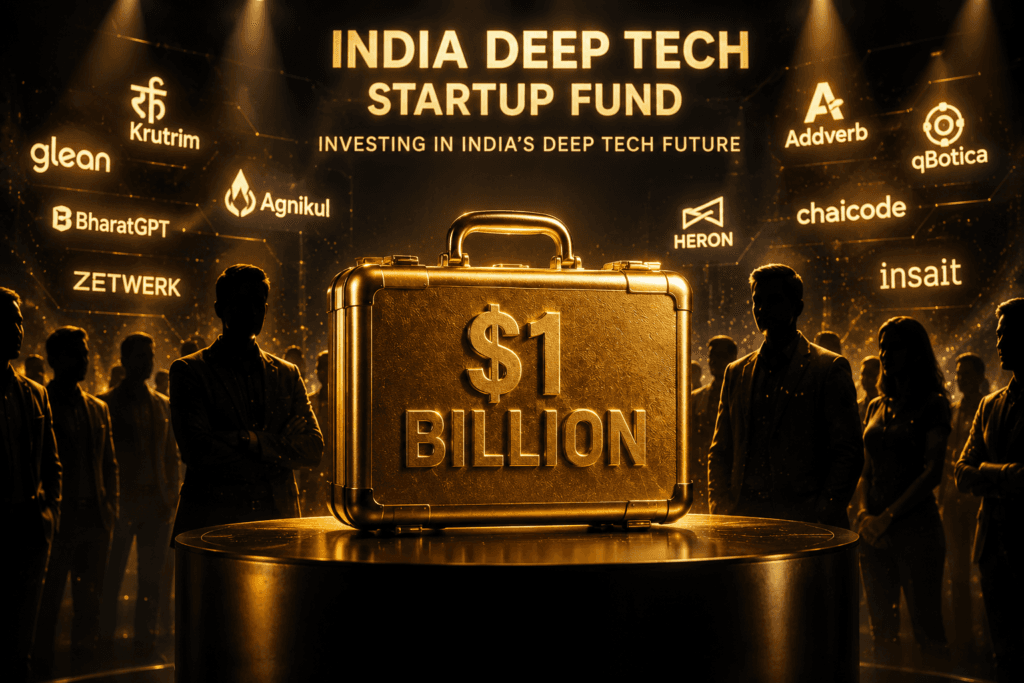
The India Deep Tech Alliance (IDTA) has committed a dedicated $1 billion for AI startup founders over three years. This is separate from broader VC activity — this is specifically earmarked startup capital for founders building AI startup products.
Additionally, Samsung has announced grants of up to $50,000 for AI and deeptech startup founders. The India-Finland Joint Innovation Call 2026 is offering grants of up to ₹2.5 crore for sustainable tech startup projects.
The combined effect of IDTA capital, IndiaAI Mission subsidies, Samsung startup grants, and international innovation programme funding creates a startup funding environment with more non-dilutive capital entry points than any previous period in startup history. Non-dilutive capital — grants and subsidies that do not require giving up startup equity — is particularly valuable for a first-time startup founder who wants to validate their startup idea before approaching venture capital investors. Startup grant ecosystem in 2026 makes pre-VC startup validation more financially accessible than ever before.
“There has never been more startup money explicitly looking for young AI founders than right now in 2026.”
Startup Trend 4 — Tier-2 Cities Are Producing Startup Success
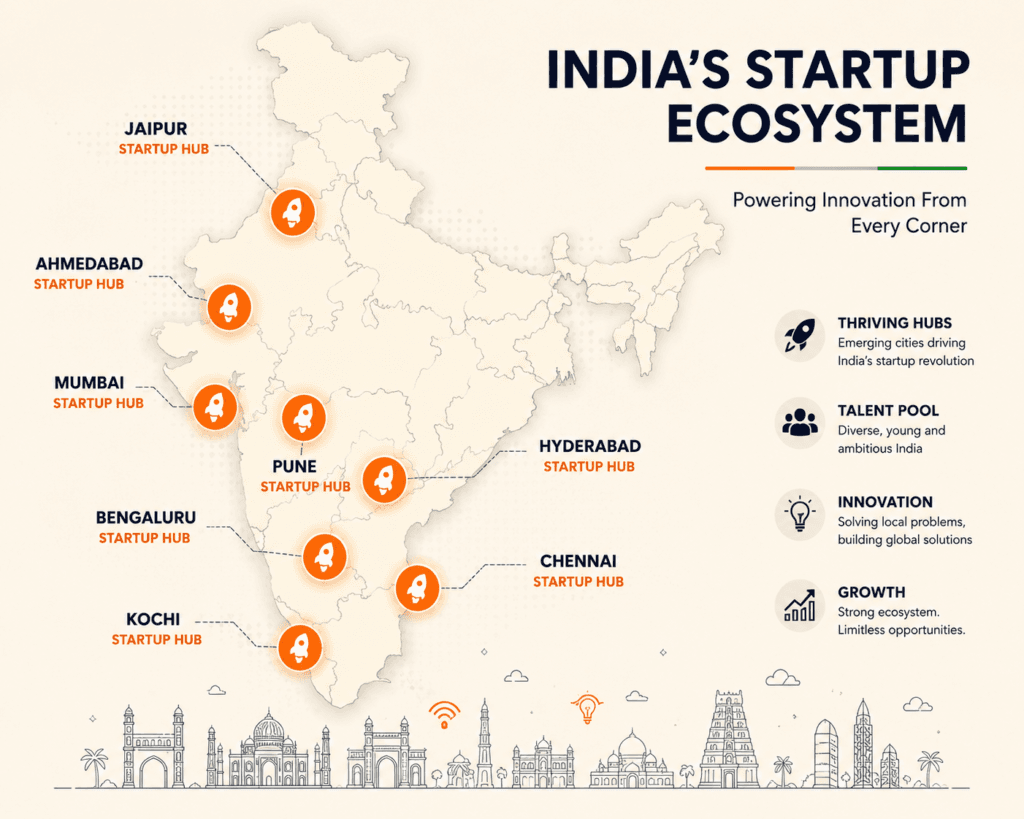
The AI startup boom of 2026 is not a Bengaluru story. The most exciting startup trend right now is the rise of Tier-2 startup cities — Hyderabad, Pune, Chennai, Ahmedabad, Jaipur, and Kochi — which now collectively represent more than 35% of all startup deal volume.
For a startup founder outside the traditional Tier-1 hubs, this startup trend means that the ecosystem infrastructure — startup accelerators, startup angel networks, startup incubators, startup coworking spaces — is coming directly to you. The
lower cost of living in Tier-2 Indian cities creates a startup runway advantage that is increasingly significant. A startup founder in Ahmedabad or Kochi can operate their startup for 12–18 months on a budget that would give a Bengaluru or Mumbai startup founder only 4–6 months of runway. In the early-stage startup world, where survival until product-market fit is everything, this startup runway advantage is not trivial — it can mean the difference between a startup that makes it and one that does not.
“Your startup does not need a Bengaluru address to access Bengaluru-level startup opportunities in 2026.”
Startup Trend 5 — Pre-Seed and Seed Are Where 67% of Indian Startup Deals Happen
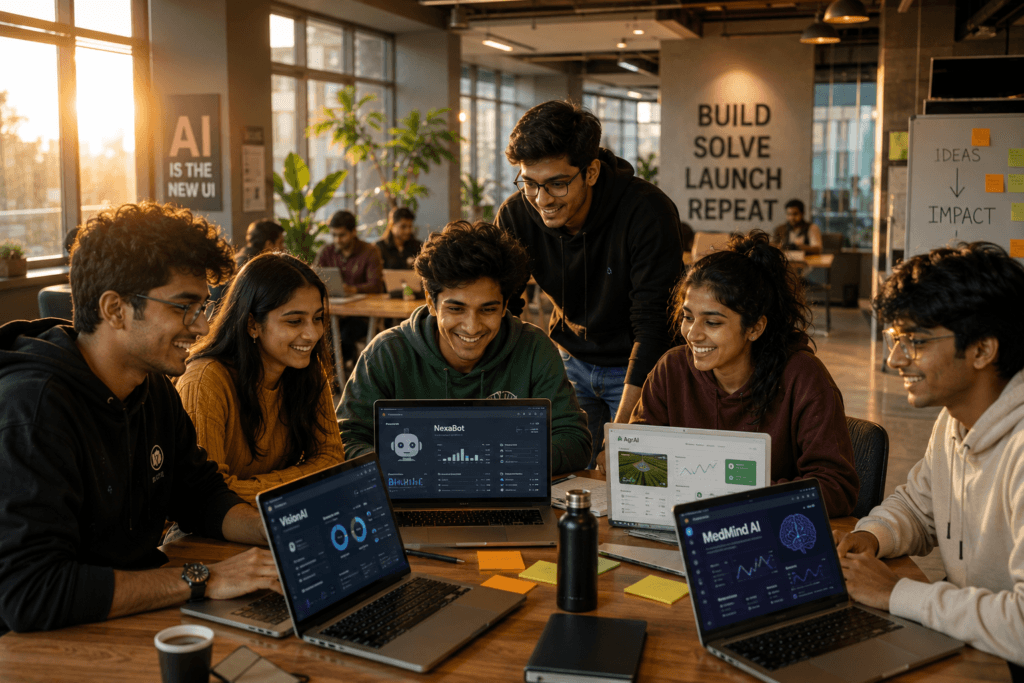
One of the most important startup data points of 2026 is this: pre-seed and seed deals represent 67% of all Q1 2026 startup deal activity in India. This is the highest concentration of early-stage startup activity in the Indian ecosystem’s history.
For a startup founder who is worried that startup capital is only available to proven founders with track records, the data says otherwise. Startup investment market in 2026 is specifically structured to find and fund new startup ideas from first-time startup founders.
Use AngelList India and the SIDBI Fund of Funds portal to connect your startup with India’s most active early-stage startup investors. Both platforms have seen record-high activity in Q1 2026, with the average Indian startup seed check increasing to $450,000 from $280,000 in 2023 — reflecting both higher investor conviction and the growing quality of startup deal flow.
“First-time startup founders in India have more access to startup capital in 2026 than at any previous moment in the Indian startup ecosystem’s history.”
Startup Trend 6 — Indian AI Startups Are Winning Global Contracts
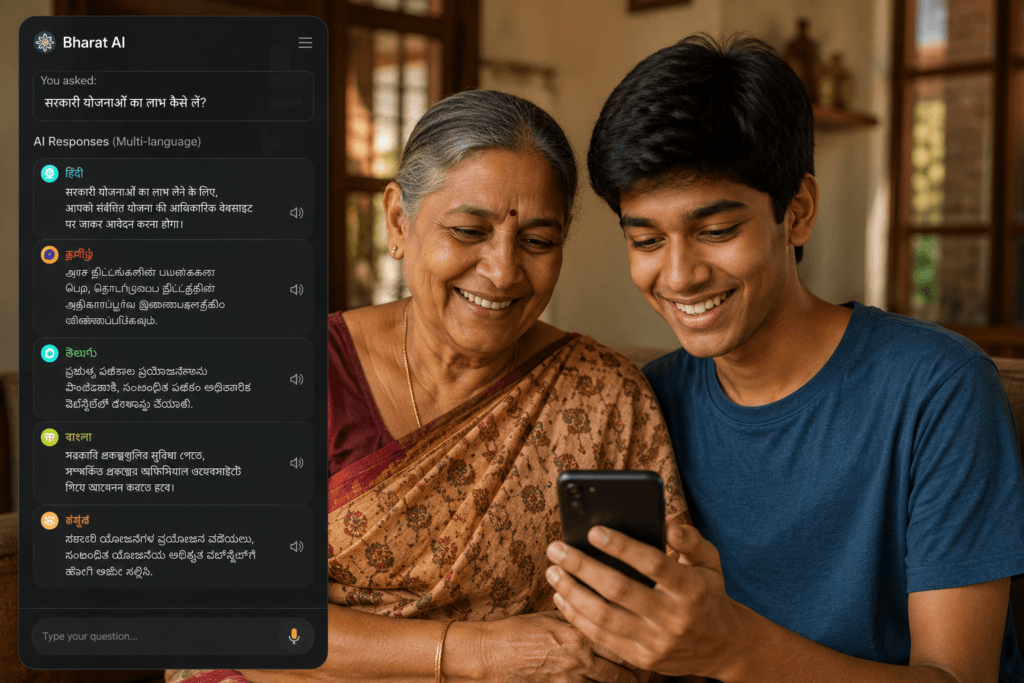
One of the most validation-rich startup trends of 2026 is the internationalisation of Indian AI startups. Startup founders building B2B AI startup tools are increasingly winning contracts with US and European enterprise customers — a development that was rare for an Indian startup at seed stage just three years ago.
Companies like Neysa — an Indian AI infrastructure startup — are attracting international sovereign wealth interest. Startup founders building in healthcare AI, enterprise productivity, and industrial AI are finding that their startup’s combination of technical quality and price competitiveness is irresistible to global enterprise buyers.
The startup advantage that founders have in the global AI market is a combination of world-class technical education, English language proficiency, and dramatically lower startup operating costs. An Indian startup can price its AI solution at 40–60% of what a US or UK startup would charge for the same outcome — while operating at comparable or superior technical quality. In enterprise B2B startup markets, where procurement teams are under constant pressure to reduce software costs, this startup price advantage is increasingly decisive.
“Building your startup in 2026 gives you a global startup advantage that founders in more expensive markets cannot compete with on cost.”
Startup Trend 7 — Gen Z Founders Are Not Waiting for Degrees to Launch Startups

The most inspiring startup trend in 2026 ecosystem is the Gen Z dropout founder wave. Startup founders in the 18–24 age bracket are launching startups directly from college — and in some cases, choosing to leave college entirely to build their startup after receiving early traction.
The Antler 2026 unicorn founder research shows the average AI unicorn founder age is now 29. The average age of first startup funding received by AI startup founders dropped to 24 in 2025.
The cultural shift behind this startup trend is as significant as the statistical one. For the previous generation of startup founders, the cultural expectation was to complete a degree — ideally an engineering degree from an IIT or NIT — before attempting a startup. In 2026, the conversation is changing. Parents who watched their children’s peers build successful startups from dorm rooms are increasingly supportive of a startup attempt before or during formal education. The social permission to build a startup young is at an all-time high — and the results are visible in the extraordinary talent of India’s current startup cohort.
“The startup generation that will define the 2030s is not in college right now. It is building its startup.”
Startup Trend 8 — Vernacular AI Startups Are an Untapped $50B Startup Opportunity
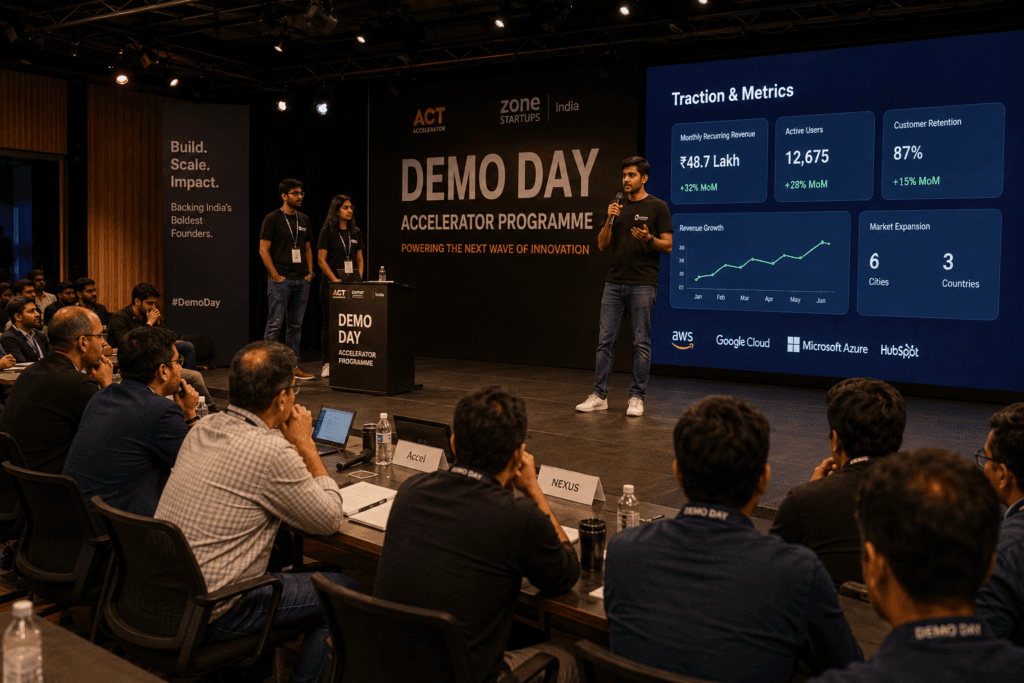
One of the most underrated AI startup opportunities in 2026 is the vernacular AI startup market — building AI startup products for India’s 900 million non-English speakers in Hindi, Tamil, Telugu, Bengali, Kannada, Marathi, and other regional languages. This startup market is currently massively underserved.
For a startup founder with language and cultural context that Silicon Valley startup builders do not have, this is a startup moat that is extremely difficult for outside startup competitors to replicate. Vernacular AI startup applications in EdTech, healthcare, agriculture, and financial services represent a combined addressable startup market estimated at over $50 billion by 2028.
The startup timing here is critical. The large language models supporting Indian regional languages have crossed a quality threshold in 2026 that makes genuine vernacular AI startup products viable for the first time. Previous generations of language AI tools were limited by training data quality and model capability. Today, models fine-tuned on regional Indian language data can produce startup-grade outputs that resonate authentically with native speakers. The startup that moves into vernacular AI now — before the market becomes obvious — captures the first-mover startup advantage in the most underserved startup market in Asia.
Startup Trend 9 — Indian Startup Accelerators Are Becoming World-Class
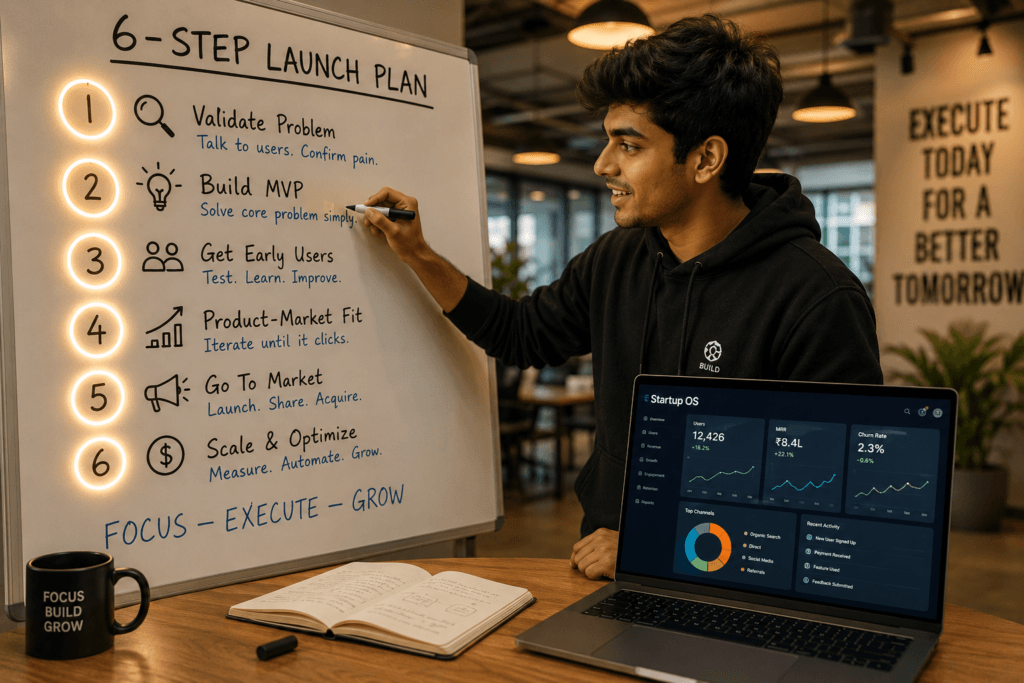
The final AI startup trend for 2026 is the maturation of India’s startup accelerator ecosystem. Programmes including Y Combinator India cohorts, Antler India, Sequoia Surge, Google for Startups India, and Microsoft for Startups India are providing startup founders with access to global investor networks, startup mentorship, startup infrastructure, and startup capital that would have required relocating to San Francisco just five years ago.
The startup accelerator landscape now includes more than 200 active accelerator and incubator programmes. For a first-time startup founder, a strong startup accelerator programme is the fastest path to your first $100,000 in startup funding, your first ten enterprise startup customers, and your first global startup media coverage.
The quality gap between Indian startup accelerators and their Silicon Valley counterparts — which was significant as recently as 2022 — has largely closed. Startup accelerators in 2026 offer comparable mentorship quality, investor network access, and startup infrastructure to the best global programmes. The remaining advantage of programmes like Y Combinator is brand recognition and alumni network depth — which are real, but no longer so decisive that a Startup founder should wait for a YC acceptance to begin building their startup seriously.
“The startup accelerator is no longer a Western institution. In 2026, the best startup programmes for Indian founders are right here in India.”
Your AI Startup Action Plan for 2026
Every startup trend in this article converges on the same conclusion: the startup window of 2026 is real, it is open, and it is the most accessible it has ever been for a young startup founder anywhere in the country. Here is your startup action plan:
- Identify your startup’s AI application in a high-demand sector: health, fintech, edtech, vernacular language, or agritech
- Register your startup and apply for IndiaAI Mission compute subsidies immediately
- Apply to one startup accelerator programme: Antler India, Sequoia Surge, or Google for Startups India
- Build your startup MVP using vibe coding tools — no technical background required
- Target your first five startup customers in own country before expanding globally
- Document your startup journey publicly on LinkedIn and Twitter — this is your distribution strategy
Your startup does not need more planning. It needs a launch date.
You must know these topics which are so important before you start a start up:
- 10 Powerful AI Startup Tools Replacing Entire 10-Person Teams for Under $300/Month.
- 7 Powerful AI Start up Trends Making Non-Coders Millions Through Vibe Coding in 2026
- 6 Shocking Startup Secrets Behind the $401M Telehealth Company Built by One Person
- 7 Shocking AI Startup Trends Creating One-Person Billion-Dollar Companies in 2026
- Top 5 Shocking Misapprehensions Founders Make When Raising Capital
- Founder Reality Check:6 Brutal Start up Funding Myths Every Founder Must Stop Believing
- Why Start ups Fail to Get Funding from Investors: 28 Hard Truths No One Tells You
- Start up Fundability Explained: 7 Powerful Readiness Signals Founders Must Get Right
- Start up Non-Dilutive & Alternative Funding: 7 Powerful Ways to Raise Capital Without Equity
- Angel Funding and Early-Stage Capital: 5 Core Principles That Shape Start up Growth
- Start Up Funding: 10 Proven Strategies for Massive Growth
- Start Up Success: 7 Powerful Pitch Deck Storytelling Secrets That Win Investors
- From Classroom to Capital: The Ultimate Funding Guide for Student & First-Time Founders
- Founder Guide: 5 Powerful Funding Trends Every Start up Must Know
FAQ
How much startup funding is available specifically for Indian AI startup founders in 2026?
India’s AI startup funding landscape in 2026 includes: the IDTA’s $1 billion dedicated AI startup fund, the IndiaAI Mission’s 100% compute subsidies, Samsung startup grants of up to $50,000, and the India-Finland Innovation Call offering up to Rs 2.5 crore. Combined with active VC activity where 67% of deals are at pre-seed and seed stage, AI startup founders have access to more capital than at any previous point.
Which Indian city is best to launch an AI startup in 2026?
Bengaluru remains the largest Indian startup hub, but Hyderabad, Pune, and Chennai are among the fastest-growing AI startup cities. Tier-2 startup cities now represent 35%+ of all Indian startup deal volume. The best city for your startup is the one where your startup’s target customers and relevant startup talent are located.
Can a college student launch a viable AI startup in India in 2026?
Yes. Multiple college-student startup founders have raised pre-seed startup funding while still enrolled in India in 2025-2026. Programmes like Antler India and Google for Startups India specifically target early-stage startup founders including students. The average age of first startup funding for AI startup founders dropped to 24 in 2025.
What types of AI startups are raising the most funding in India right now?
The highest-funded Indian AI startup categories in 2026 include: enterprise AI productivity startups, healthcare AI startups, vernacular language AI startups, AI infrastructure startups, and EdTech AI startups. Deeptech startup funding — which is 91% AI-driven — is the most active startup category in the startup ecosystem.
How is the IndiaAI Mission helping startup founders practically?
It provides startup founders building foundational AI models with access to GPU compute at subsidised rates of Rs 67/hour — compared to commercial rates of Rs 500–3,000/hour. For a startup training large models, this subsidy can save Rs 50–100 lakh in the first startup year. Applications are made through the official IndiaAI portal.