Start up Funding Myths vs Reality: What Every Founder Must Know in 2025

The Dirty Truth About Start up Funding: Myths Founders Desperately Believe

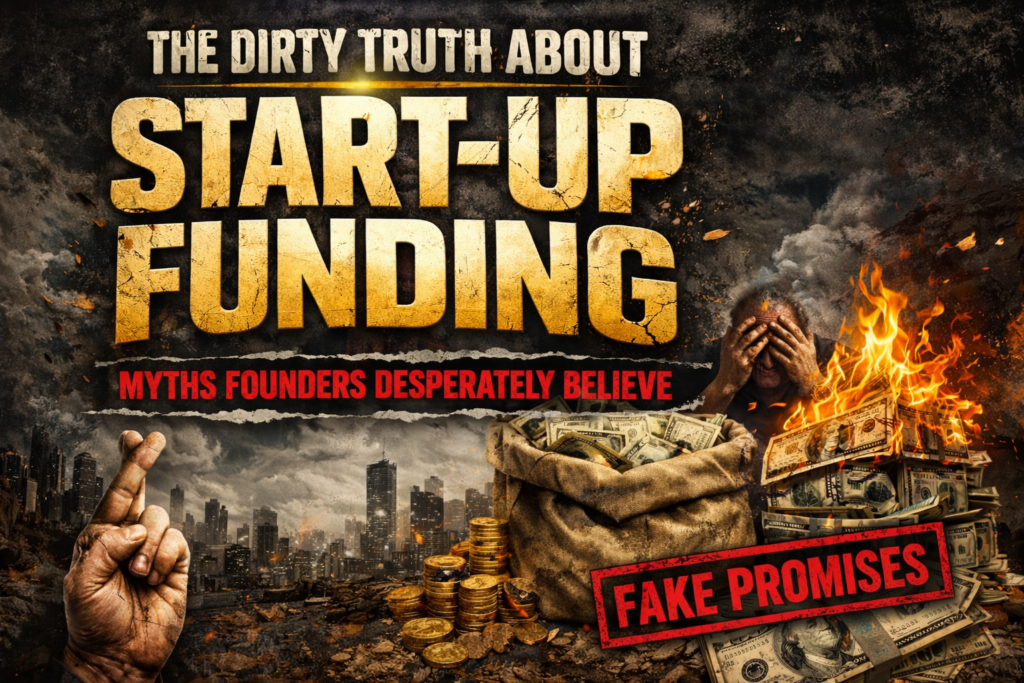
Every year, thousands of ambitious founders chase funding based on half-truths and Hollywood narratives. It’s time to separate the myth from the money.

Start up funding is one of the most mythologized subjects in the entrepreneurial world. From Silicon Valley success stories to binge-worthy founder documentaries, the narrative around raising money has been so dramatized that most first-time founders walk into pitch rooms carrying a suitcase full of dangerous misconceptions. The gap between what founders believe about funding and what actually happens in the real world can be the difference between building a thriving company and burning out chasing capital that was never meant for them.

  • Most start ups are not VC-fundable — and that’s perfectly fine
  • Funding is not validation — it’s a bet with interest attached
  • The majority of funded start ups still fail within 5 years
  • Angels and VCs have fundamentally different motivations
  • Bootstrapping often produces more sustainable businesses
  • Your network matters more than your pitch deck in most cases
  • Revenue is the most underrated form of funding available

0.05%Start ups that get VC funding

90%Funded start ups still fail

$3.5MAvg. seed round size (2024)

57%Founders bootstrap initially

✦Myth1:- “Every Great Start up Needs Venture Capital Funding”
The Myth

Walk into any start up meetup and you’ll feel it — an almost religious belief that venture capital funding is the only legitimate path to building a great company. The culture glorifies the term sheet, the pitch meeting, the term “funded start up.” Social media feeds are flooded with announcements: “Thrilled to share we’ve raised our Series A!” It creates an illusion that VC funding equals success.

Venture capital is a tool, not a trophy. Most great companies were never VC-backed — they were just quietly profitable.— Jason Fried, Co-founder of Basecamp.

The Reality

The reality is sobering: fewer than 0.05% of start ups ever receive venture capital funding. VCs are not in the business of funding good companies — they’re in the business of funding companies that can return their entire fund through a single bet. That means they’re looking for businesses with the potential to become billion-dollar outcomes. If your start up doesn’t have that kind of exponential growth potential built into its DNA, VC is simply not the right tool for you — and that’s not a failure, it’s a fit problem.

Companies like Mailchimp, Basecamp, and Spanx built billion-dollar enterprises without a single dollar of venture capital. Mailchimp was bootstrapped for nearly two decades before its $12 billion acquisition. The lesson: VC funding is a specific financial instrument designed for a specific type of company, not a badge of honor for every entrepreneur.

Raising money is the easiest thing a start up can do. The hard part is building something people actually want.— Paul Graham, Y Combinator.

✦Myth2:- “If You Have a Great Idea, Funding Will Follow”
The Myth

Founders often believe that a breakthrough idea is the primary currency of the funding world. “If my concept is strong enough, investors will line up.” This belief leads many entrepreneurs to spend months perfecting their idea in isolation, building elaborate decks, and rehearsing their elevator pitch — while neglecting the one thing investors actually care about.

Ideas are cheap. Execution is everything. A great idea poorly executed is worth less than a mediocre idea brilliantly built.— Reid Hoffman, Co-founder of LinkedIn.

The Reality

Investors do not fund ideas — they fund teams, traction, and timing. A mediocre idea executed by a world-class team will almost always beat a brilliant idea in the hands of an unproven founder. What serious investors are evaluating when they look at your pitch is: Does this team have the resilience, domain expertise, and execution capacity to navigate the brutal reality of building a company?

The concept of “traction” is the single most underestimated factor in start up funding. Even a handful of paying customers, a growing waitlist, or compelling early user engagement can transform a pitch from interesting to investable. Revenue is the most persuasive slide in any pitch deck. Data beats narrative every single time.

  • Investors fund teams and traction, rarely pure ideas
  • Even 5–10 paying customers dramatically improve fundability
  • Your market timing matters as much as your product
  • Serial founders raise 3x faster than first-time founders on average

The best pitch is a product that sells itself. Investors don’t bet on potential — they bet on proof.— Marc Andreessen, Andreessen Horowitz.

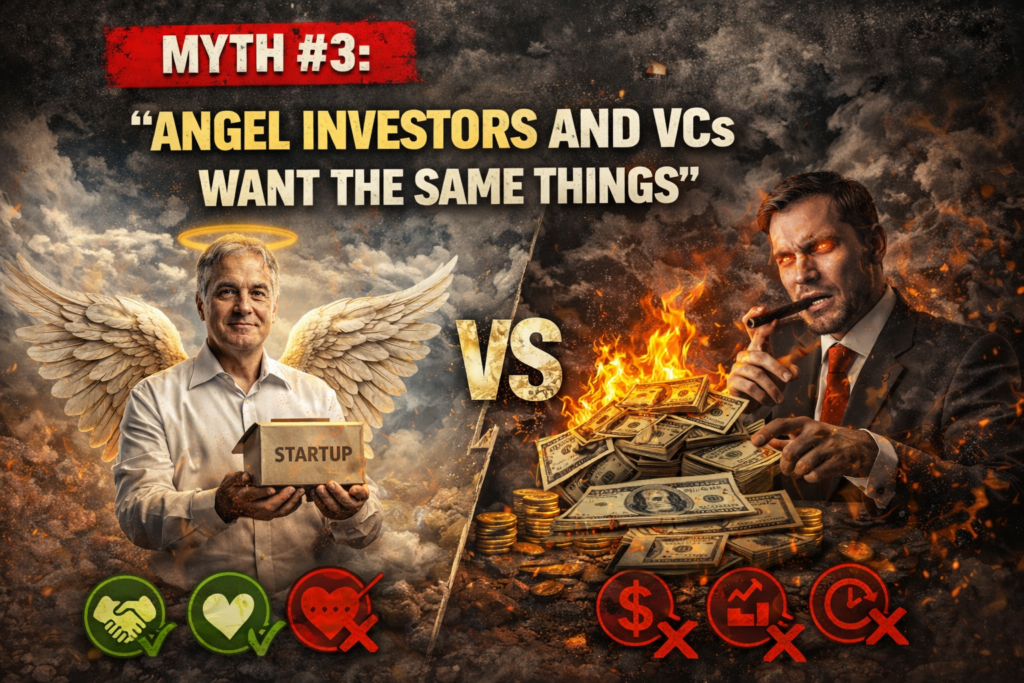
✦Myth3:- “Angel Investors and VCs Want the Same Things”
The Myth

Many founders treat angel investors and venture capitalists as interchangeable — just different sized checkbooks. They approach both with the same pitch, the same expectations, and the same timeline assumptions. This fundamental misunderstanding leads to wasted time, misaligned partnerships, and funding relationships that eventually poison the cap table.

The Reality

Angel investors and VCs operate from entirely different incentive structures. Angel investors are typically high-net-worth individuals investing their personal capital. They often have emotional motivations — passion for a sector, desire to mentor, or personal connection to a problem. They tend to be more flexible, faster to decide, and more tolerant of early-stage ambiguity. Their checks are smaller ($10K–$500K typically) but their involvement can be deeply valuable.

Venture capitalists, on the other hand, are managing institutional money — capital from pension funds, university endowments, and family offices. They have a legal obligation to their Limited Partners (LPs) to seek outsized returns. A VC fund that returns 3x is considered mediocre. They need home runs. This means VCs must say no to 99% of deals, even good ones, simply because those companies don’t fit their return model. Understanding this is not demoralizing — it’s empowering, because it helps you target the right investors for your stage.

Choosing the wrong investor is like hiring the wrong co-founder — except you can’t fire them.— Naval Ravikant, AngelList.

✦Myth4:- “More Funding Means More Success”
The Myth

There’s a common belief that the size of a funding round correlates directly with the probability of success. Founders celebrate large raises, the press amplifies them, and the start up community often measures ambition in dollars raised. “We raised $50M” has become a proxy for “we’re winning.”

Abundance is a disease for start ups. Constraints breed creativity; capital abundance breeds complacency.— Eric Ries, Author of The Lean Start up.

The Reality

Research consistently shows that overfunded start ups are among the most likely to fail. Excess capital creates a false sense of security. It delays the critical discipline of finding product-market fit. It encourages premature scaling — hiring aggressively before the business model is validated, running expensive marketing campaigns before the retention metrics justify them. More money often masks the very problems that need to be solved.

The story of Quibi is one of the most instructive cautionary tales in start up history. The platform raised $1.75 billion from top-tier investors before launching — and shut down just six months after going live. Meanwhile, companies like Craigslist, Duolingo, and GitHub in their early days built extraordinary value with minimal capital by staying lean and forcing creative problem-solving.

  • Overfunded start ups often delay finding product-market fit
  • Capital efficiency is a stronger predictor of success than round size
  • Investors increasingly value “default alive” start ups over burn-heavy ones
  • The best metric is revenue per dollar raised, not total funds raised

The start ups that succeed on less tend to build better habits that serve them for life.— Sam Altman, Open AI CEO & Former YC President.

✦Myth5:- “A Strong Pitch Deck is All You Need to Raise Funding”

The Myth

The pitch deck has become mythologized to the point where founders spend months perfecting slide aesthetics, agonizing over font choices, and rehearsing transitions. There’s an entire cottage industry of pitch deck consultants promising to unlock investor doors. The myth: if your deck is polished enough, the money will follow.

The Reality

The pitch deck is a door opener, not a deal closer. In reality, the vast majority of start up funding is driven by warm introductions through trusted networks. Research by DocSend found that the average investor spends just 3 minutes and 44 seconds reviewing a pitch deck before deciding whether to take a meeting. The deck gets you in the room — your credibility, network, and traction close the deal.

Relationships are the real currency of the funding ecosystem. Investors fund people they know, people who were referred by people they trust, and people they’ve watched build something over time. Cold email open rates for pitch decks hover around 1–3%. Warm introductions convert at rates 10 to 20 times higher. This means the most valuable fundraising activity isn’t perfecting your deck — it’s building genuine relationships with founders who’ve already raised, with advisors who sit on relevant boards, and with angels in your space months before you ever need their money.

  • Investors spend an average of under 4 minutes on a cold pitch deck
  • Warm introductions are 10–20x more effective than cold outreach
  • Network building should begin 12–18 months before you plan to raise
  • Your founder reputation precedes your pitch every time

The best fundraisers don’t pitch — they have conversations. They make investors feel like they’re being invited in, not sold to.— Aileen Lee, Founder of Cowboy Ventures.

✦Myth6:- “Once You’re Funded, the Hard Work is Done”

The Myth

There’s a pervasive belief among aspiring founders that the closing of a funding round represents arrival — that once the wire clears, the start up has crossed a critical threshold and success is only a matter of execution. Founders celebrate publicly, press releases go out, and a kind of euphoria sets in. The fundraising grind is over.

The Reality

Raising a funding round is the beginning of a new set of pressures, not the end of the old ones. The moment you accept outside capital, you’ve entered into a legal and ethical obligation to generate returns for your investors. You’re now on a clock. Venture-backed companies are typically expected to raise their next round within 18–24 months, which means the fundraising process never truly ends — it just resets at a higher bar.

Furthermore, 90% of funded start ups still fail. Funding provides runway, but runway alone doesn’t guarantee product-market fit, customer acquisition, team retention, or any of the dozens of variables that determine whether a start up survives. The post-funding period is often the most dangerous phase, precisely because the false security of capital in the bank can dull the urgency that drove the company’s early momentum.

  • Funded companies face board accountability and investor reporting obligations
  • The next raise clock starts the moment the current round closes
  • Dilution compounds with every subsequent round
  • Post-funding culture changes are a common start up killer

Funding is jet fuel. It accelerates whatever is already happening — good or bad. If your model is broken, funding just helps you fail faster.— Mark Suster, Upfront Ventures.

Reality Check

✦ The Funding Paths Founders Actually Overlook

Bootstrapping: The Underrated Giant

Bootstrapping — building a company using revenue generated from your own business — is perhaps the most undervalued funding strategy in start up culture. It preserves full equity ownership, forces discipline around unit economics, and creates businesses built on real value rather than investor enthusiasm. Founders who bootstrap develop a fundamentally different relationship with money: every dollar spent is scrutinized, every dollar earned is celebrated. This instinct is an enormous competitive advantage.

Revenue-Based Financing

Revenue-based financing (RBF) has emerged as a powerful alternative to dilutive equity funding. In this model, investors provide capital in exchange for a percentage of future revenues until a predetermined amount is repaid. For companies with predictable recurring revenue, RBF can be faster to close, non-dilutive, and far better aligned with the founder’s interests.

Grants and Non-Dilutive Funding

Billions of dollars in government grants, innovation awards, and non-dilutive funding go unclaimed every year simply because founders don’t know they exist. Programs like the SBIR/STTR in the US, Innovate UK, and the EU Horizon program provide significant funding to start ups working in science, technology, and social impact — with no equity taken in return. For the right companies, this is the most underutilized form of funding in existence.

The founders who win aren’t the ones who raised the most money. They’re the ones who found the right money at the right time.— Kathryn Minshew, Co-founder of The Muse.

The Bottom Line: A Smarter Relationship With Funding

The start up funding landscape is neither as glamorous nor as accessible as popular culture suggests — but it is far more navigable when you approach it with clear eyes and realistic expectations. The founders who build enduring companies are not necessarily the ones who raise the most money. They are the ones who understand what kind of capital their business actually needs, when to raise it, from whom, and — crucially — whether to raise it at all.

The myths around funding persist because they serve a narrative. They make for better content, better headlines, and better drama. But the reality of building a company is quieter, harder, and more nuanced than any TechCrunch funding announcement suggests.

Your job as a founder is not to raise money. Your job is to build something valuable. If you do that well, the right capital — whether it’s a customer’s first payment, a grant, an angel check, or a Series A — will find its way to you. And when it does, you’ll be ready to use it wisely because you understand what it truly represents: not a destination, but a responsibility.

Remember: The most powerful form of validation is not a term sheet —

it’s a customer who pays, returns, and tells their friends.

🔗Further Reading & Valuable Resources

If you want to go deeper into the realities of start up funding and make smarter decisions as a founder, it’s important to learn from both credible external sources and practical insights. For a data-backed understanding of how investors actually evaluate start ups, explore resources like Y Combinator’s Start up Library and fundraising guides from Sequoia Capital, which break down what truly matters beyond the pitch. Platforms like Andreessen Horowitz also publish in-depth articles on market dynamics, scaling, and capital strategy that every founder should study.

To flourish more you must know these:-

FAQ

How should a founder decide whether to raise funds or bootstrap?

Decide based on growth speed vs control:
Choose funding if your market demands rapid scaling and competition is intense.
Choose bootstrapping if you can grow steadily with revenue and want full ownership.
If you don’t need external capital to survive or win, don’t take it.

What are the biggest red flags investors look for in early-stage start ups?

Key red flags include:
No clear customer demand, Weak or incomplete founding team, Lack of focus (trying to solve too many problems), No understanding of unit economics, Overly optimistic projections without data.

When is the right time to start fundraising?

Start fundraising when you have proof, not just an idea:
Early traction (users, revenue, or growth signals)
A working MVP
Clear problem-solution fit
Raising too early reduces valuation and increases dilution.

How much equity should a founder give away in early funding rounds?

Typically:
Pre-seed/Seed: 10–20% per round
Avoid giving away too much too early—excessive dilution can reduce long-term control and motivation.

What should founders do if they keep getting rejected by investors?

Treat rejection as feedback:
Identify common concerns across investors
Improve traction or metrics
Refine positioning and clarity
Consider alternative funding (revenue, grants, angels)
If multiple investors say no, the issue is usually in the business—not the pitch.

Founder Guide: 5 Powerful Funding Trends Every Start up Must Know

Introduction: Why Start up Funding Trends Matter Today

The start up world is evolving faster than ever. Every year, new technologies, investor behaviours, and market demands reshape how start ups grow and secure funding. For entrepreneurs, understanding start up funding trends is no longer optional—it is a powerful advantage.

A start up is not just about having a great idea. It is about timing, awareness, and strategy. Founders who understand the funding ecosystem are better prepared to attract investors and scale their businesses successfully.

“The best start up founders are not just innovators—they are market observers who understand where capital is flowing.”

Why Start up Funding Trends Matter

Tracking start up funding trends helps entrepreneurs make smarter and more strategic decisions. Investors constantly shift their focus toward industries and technologies that promise high growth. If a founder remain unaware of these shifts, they risk missing valuable opportunities.

Understanding funding trends helps start ups:

  • Identify high-demand industries where investors are actively investing
  • Align their business model with market expectations
  • Prepare better investment pitches
  • Reduce funding risks in competitive markets

The Importance of Market Awareness for Start ups

A successful start up founder must also develop strong market awareness. This means a founder must understand customer needs, industry changes, and competitor strategies.

When start ups combine funding awareness with market insights, they gain a competitive edge that many new businesses lack.

Key benefits of strong market awareness include:

  • Spotting emerging opportunities before competitors
  • Understanding what investors are looking for
  • Building products that truly solve market problems

In today’s highly competitive start up ecosystem, a founder who stays informed about funding trends and market dynamics position themselves for faster growth and long-term success.

Ultimately, a start up that understands where the money flows and where the market moves gains the powerful advantage needed to thrive in the modern entrepreneurial landscape.


The Current Start up Funding Landscape

The start up ecosystem today is more dynamic and competitive than ever before. Over the past decade, global investment in start ups has grown rapidly, creating new opportunities for entrepreneurs while also increasing competition for funding.

In India’s competitive start up ecosystem, a strong pitch transforms ideas into investor confidence and funding success.

  • To know about Top 5 Shocking Misapprehensions Founders Make When Raising Capital click here.
  • To know about Why Start ups Fail to Get Funding from Investors click here.
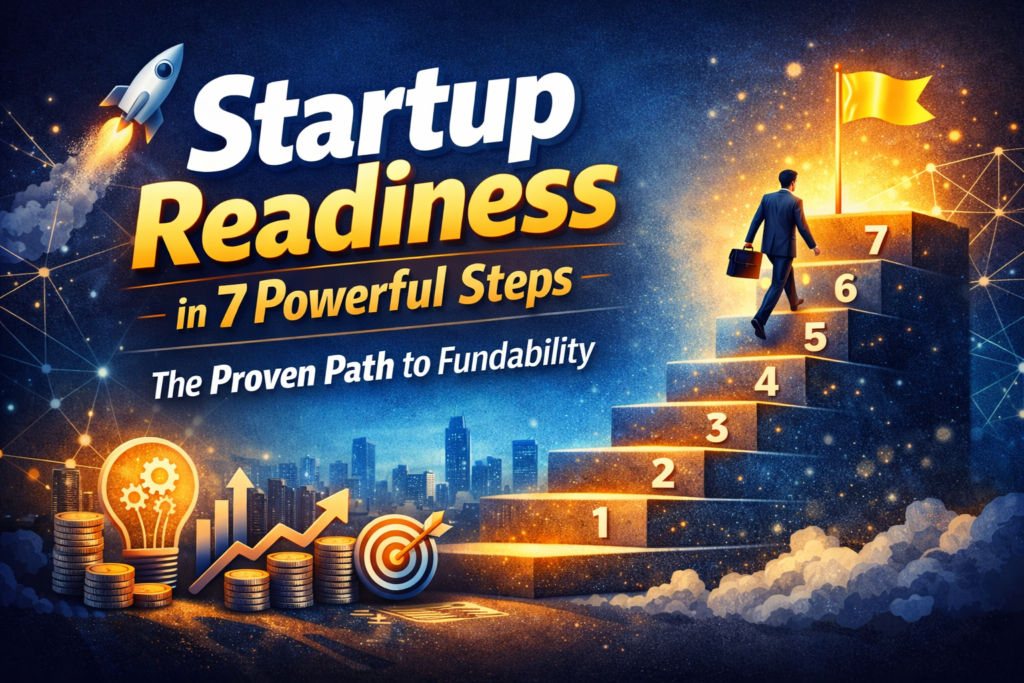
  • To learn about start up fundability click here.
  • To understand Why investors Readiness Matters in Start up click here.
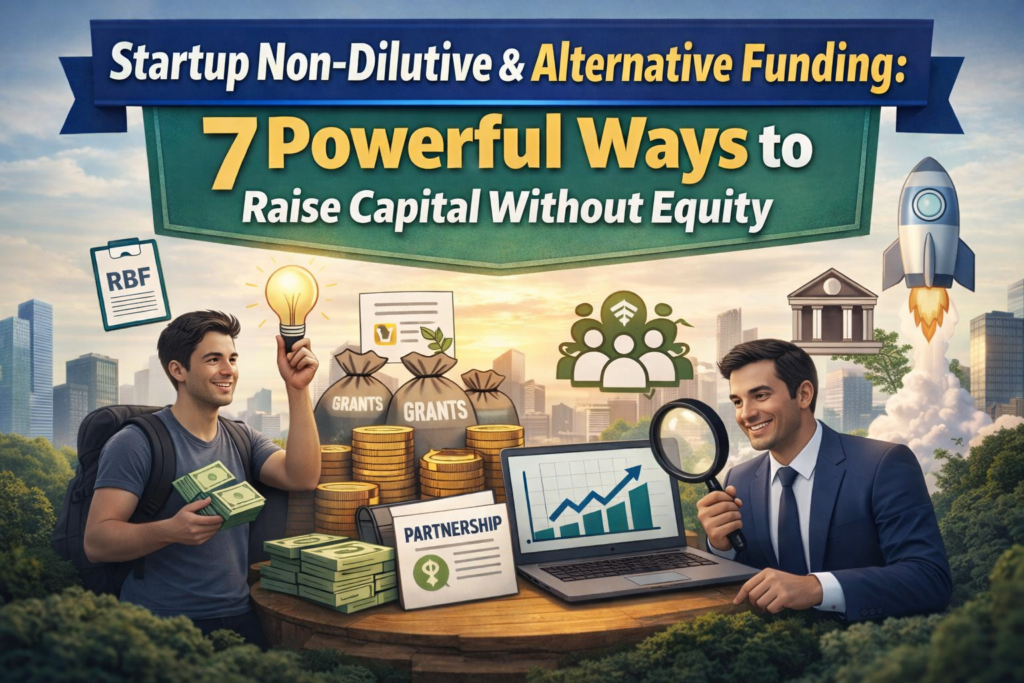
  • To know about Start up Non-Dilutive & Alternative Funding: 7 Powerful Ways to Raise Capital Without Equity click here.
  • To know about Start up Angel Funding and Early-Stage Capital click here.

A modern start up must navigate a funding environment shaped by technological innovation, economic shifts, and changing investor priorities. Investors are no longer just looking for ideas—they want scalable business models, market validation, and strong growth potential.

“Investors don’t fund ideas alone; they fund solutions that can transform markets.”

How Start up Investments Have Changed in Recent Years

In recent years, start up funding has evolved significantly. Traditional investment patterns are shifting toward technology-driven and high-impact industries.

Some of the major changes include:

  • Increased focus on AI and emerging technologies
  • Growth of early-stage funding platforms and angel networks
  • Investors prioritizing sustainable and scalable start ups
  • Global investors funding start ups beyond their local markets

This shift means a founder must understand where investor attention is moving and adapt their strategies accordingly.

Major Factors Influencing Start up Funding

Several powerful factors shape the modern start up funding landscape:

  • Global economic conditions – Interest rates, inflation, and market stability influence investor confidence.
  • Technological innovation – Breakthrough technologies attract significant venture capital.
  • Investor risk appetite – Investors constantly balance risk with potential returns.

For a founder, understanding these factors can provide a strategic advantage when seeking funding.

Ultimately, a start up that understands the current funding landscape can position itself to attract investors, secure capital, and build a sustainable path toward long-term success.


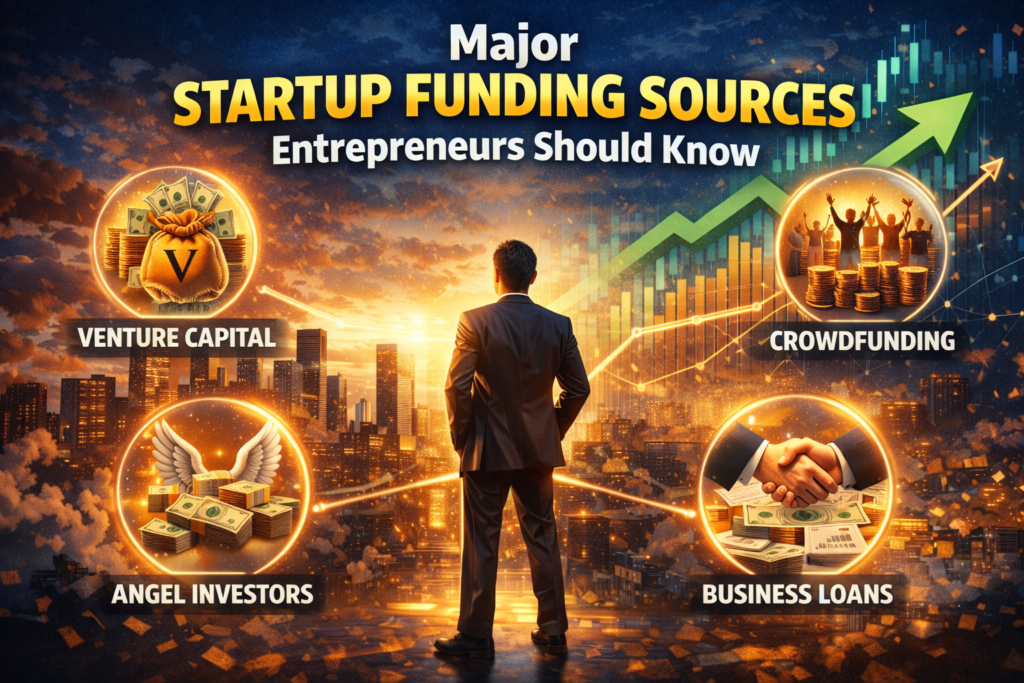
Major Start up Funding Sources Entrepreneurs Should Know

Every start up needs capital to grow, innovate, and reach the market. Understanding the right funding sources can help a founder to secure investment faster and build a sustainable business.

“A start up’s growth often depends on choosing the right funding partner at the right time.”

Angel Investors and Early-Stage Capital

Angel investors are individuals who invest in early-stage start ups with high potential. They usually provide funding in exchange for equity and often offer valuable mentorship and industry connections.

Venture Capital and Growth Funding

Venture capital firms invest in start ups that show strong growth potential. This type of funding is typically used to scale operations, expand into new markets, and accelerate product development.

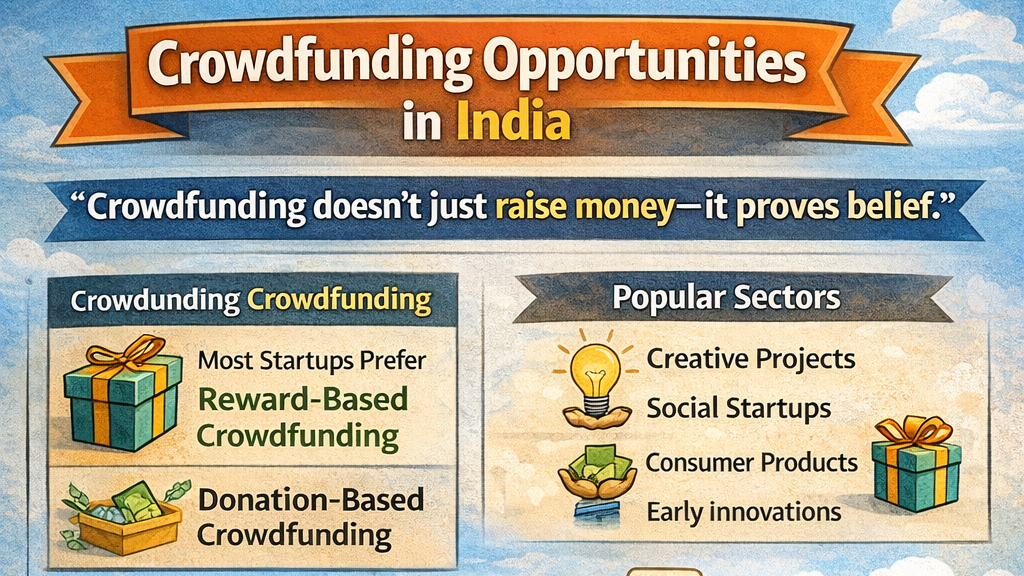
Crowdfunding and Community-Driven Investment

Crowdfunding platforms allow start ups to raise money from large groups of supporters online, helping validate ideas while generating early customer interest.

Government Grants and Start up Support Programs

Many governments offer grants, subsidies, and incubation programs that help start ups grow without giving up equity.


Emerging Start up Funding Trends Shaping the Market

The start up ecosystem is constantly evolving, and new funding trends are shaping how entrepreneurs secure capital. A smart start up founder must stay updated with these trends to attract investors and stay ahead of the competition.

“In the start up world, those who understand where the funding is moving gain a powerful advantage.”

Rise of AI and Deep Tech Start up Investments

Investors are increasingly funding start ups working on Artificial Intelligence, robotics, and deep tech innovations. These sectors promise high-impact transformation, making them highly attractive to venture capital firms.

Growth of Sustainable and Green Start ups

Many investors are now focusing on start ups that support sustainability, clean energy, and eco-friendly solutions. These start ups not only generate profits but also create positive global impact.

Increase in Micro-VC and Solo Investors

A growing number of micro-venture capital firms and solo investors are funding early-stage start ups. This trend creates more opportunities for new entrepreneurs.

Globalization of Start up Funding

Today, a start up can attract investors from anywhere in the world, opening doors to larger and more diverse funding opportunities.


How Market Awareness Impacts Start up Success

A start up does not succeed only because of a good idea. It succeeds when the idea fits perfectly with market needs. This is where market awareness becomes a critical advantage for entrepreneurs.

Market awareness means understanding customer behaviour, industry trends, and competitor strategies. When founders stay informed about these factors, they can make smarter business decisions and position their start up for long-term growth.

“A successful start up is not the one with the best idea, but the one that solves the right problem at the right time.”

Understanding Customer Needs and Market Demand

Every start up should begin by identifying real problems faced by customers. By studying market demand, start ups can build products or services that truly solve meaningful challenges.

Key benefits include:

  • Creating solutions customers actually want
  • Improving product-market fit
  • Increasing chances of investor interest

Identifying Market Gaps and Opportunities

Market awareness helps founders discover untapped opportunities. When entrepreneurs analyse trends and consumer behaviour, they can identify gaps that competitors have overlooked.

Monitoring Competitors and Industry Trends

A smart founder always studies its competitors. Understanding competitor strengths and weaknesses helps founders develop stronger strategies and unique value propositions.

Ultimately, a start up that maintains strong market awareness gains a powerful edge, allowing it to adapt quickly and grow successfully in a highly competitive business landscape.


Strategies for Start ups to Attract Investors

For any start up, securing investment is a crucial step toward growth and expansion. However, investors are selective and look for businesses that demonstrate strong potential, clear vision, and scalable opportunities. By following the right strategies, the founder of a start up can significantly improve its chances of attracting funding.

“Investors invest in confidence, clarity, and growth potential, not just ideas.”

Building a Strong Business Model

A successful start up must present a clear and sustainable business model. Investors want to understand how the start up plans to generate revenue and maintain long-term profitability. A well-structured model shows that the business is built for sustainable success.

Creating a Scalable Product or Service

Scalability is one of the most powerful factors investors consider. Start ups that can expand quickly without dramatically increasing costs are more attractive to venture capitalists and angel investors.

Demonstrating Market Validation

Investors feel more confident when a start up already shows real demand. Evidence such as early customers, user growth, or pilot projects proves that the market values the product.

Presenting a Powerful Start up Pitch as a Founder

A clear, compelling pitch can make a strong impression. Founders should highlight their vision, market opportunity, and growth strategy to capture investor attention.


Common Funding Mistakes Start ups Should Avoid

Every founders aims to secure funding quickly, but many founders make mistakes that can reduce their chances of attracting investors. Understanding these common errors can help entrepreneurs build a stronger and more credible start up.

“Funding does not fail because of lack of ideas; it fails because of poor preparation and weak strategy.”

Overvaluing the Start up Too Early

One of the most common mistakes start ups make is setting unrealistic valuations in the early stages. While confidence is important, investors expect valuations to reflect actual progress, market validation, and growth potential.

An inflated valuation can discourage investors and create trust issues during negotiations.

Ignoring Market Research

A start up that lacks proper market research often struggles to convince investors. Founders must clearly demonstrate market demand, target audience, and industry opportunities.

Without this information, the business idea may appear risky or poorly planned.

Poor Financial Planning

Financial planning is a critical factor in start up funding. Investors want to see detailed projections, cost structures, and revenue strategies.

Start ups should focus on:

  • Clear financial projections
  • Realistic growth plans
  • Transparent use of funding

Avoiding these mistakes helps a start up build credibility, investor trust, and long-term sustainability, making it far more attractive in the competitive funding landscape.


Case Study: A Successful Start up Funding Journey

Understanding how a start up successfully secures funding can provide valuable lessons for new entrepreneurs. Many successful start ups began with limited resources but grew rapidly by combining market awareness, strong strategy, and investor confidence.

“Every successful start up story begins with identifying a real problem and building a solution the market truly needs.

How the Start up Identified Market Opportunity

A promising start up first conducted deep market research to understand customer pain points and industry gaps. By carefully analysing market trends and consumer behaviour, the founders identified a high-demand opportunity that competitors had not fully addressed.

This step helped the start up build a solution-focused product that immediately attracted attention in the market.

Funding Strategy That Led to Growth

Instead of seeking large investments immediately, the start up initially raised funds from angel investors and early-stage supporters. These investors believed in the vision and helped the start up build its initial product.

As the business gained traction and demonstrated strong user growth, venture capital firms became interested and provided larger funding rounds to scale operations.

Key Lessons for New Entrepreneurs

This start up journey highlights several powerful lessons:

  • Start with strong market research
  • Build a product that solves real problems
  • Secure early traction before approaching large investors

These strategies can significantly improve a start up’s chances of successful funding and long-term growth.


Future Outlook: Where Start up Funding Is Headed

The start up ecosystem continues to evolve, and the future of start up funding is expected to become even more dynamic and opportunity-driven. As technology advances and global markets expand, investors are constantly searching for start ups that demonstrate innovation, scalability, and strong market potential.

For any start up, understanding future funding trends can provide a strategic advantage when planning long-term growth.

“The future belongs to start ups that combine innovation, adaptability, and market awareness.”

Technology-Driven Investment Growth

One of the most powerful trends shaping the future is the rapid growth of technology-focused start ups. Investors are increasingly funding start ups working in areas such as Artificial Intelligence, blockchain, biotechnology, and automation.

These industries are expected to drive major global transformations, making them highly attractive for venture capital investments.

Increasing Role of Global Investors

Start up funding is becoming more global than ever before. Today, investors are not limited by geography and frequently invest in promising start ups across different countries.

This global investment environment creates greater opportunities for start ups to access funding, partnerships, and international markets.

New Opportunities for Early-Stage Start ups

The future also looks promising for early-stage start ups. With the rise of micro-venture capital firms, start up accelerators, and online investment platforms, founders now have more ways to secure funding than ever before.

Start ups that stay informed about funding trends, market needs, and technological innovation will be better positioned to attract investors and build sustainable businesses in the evolving start up landscape.


Conclusion

The journey of building a successful start up is both exciting and challenging. From understanding funding sources to analysing market trends, every step plays a critical role in shaping the future of a start up. Entrepreneurs who stay informed about start up funding trends and market awareness gain a powerful advantage in today’s competitive business environment.

Throughout this guide, we explored how the start up funding landscape is constantly evolving. Investors are increasingly focusing on start ups that demonstrate innovation, scalability, and strong market demand. This means founders must not only have great ideas but also develop clear strategies and strong execution plans.

“A start up succeeds when vision meets preparation and opportunity meets strategy.”

One of the most important lessons for any start up is the value of market awareness. Understanding customer needs, monitoring competitors, and identifying industry opportunities can help founders create solutions that truly resonate with the market. When start ups combine market knowledge with a strong business model, they significantly increase their chances of attracting investors.

Entrepreneurs should also remember that securing funding requires credibility and preparation. Investors are more likely to support start ups that demonstrate:

  • Clear market demand
  • A scalable and sustainable business model
  • Strong financial planning and growth strategy
  • Evidence of customer traction

Looking ahead, the future of the start up ecosystem appears promising and full of opportunities. With emerging technologies, global investment networks, and new funding platforms, start ups today have more resources than ever before.

Ultimately, a start up that focuses on innovation, market awareness, and smart funding strategies can transform a simple idea into a powerful and successful business that thrives in the modern entrepreneurial world.


FAQ

What is start up funding and why is it important for founders?

Start up funding refers to the capital that a start up raises to build, operate, and scale its business. It is important because it helps start ups develop products, hire teams, expand operations, and compete effectively in the market.

What are the main sources of start up funding?

The most common start up funding sources include:
Angel investors who fund early-stage start ups
Venture capital firms that invest in high-growth companies
Crowdfunding platforms where many individuals contribute small investments
Government grants and start up incubators that support innovation
Each funding source supports start ups at different growth stages.

How can a start up attract investors?

A start up can attract investors by demonstrating:
A clear business model
Strong market demand
A scalable product or service
Early customer traction or growth
A compelling investor pitch
Investors look for start ups that show high potential for growth and profitability.

Why is market awareness important for a start up?

Market awareness helps a start up understand customer needs, industry trends, and competitor strategies. This allows founders to identify opportunities, create better products, and position their start up more effectively in the market.

What are the latest start up funding trends?

Some of the most important start up funding trends include:
Rising investment in AI and deep tech start ups
Growth of sustainable and green start ups
Increase in micro-VC and solo investors
Expansion of global start up funding networks
These trends are shaping the future of the start up ecosystem.

From Classroom to Capital: The Ultimate Funding Guide for Student & First-Time Founders

Introduction – The Funding Dream Every Student Founder Has

Every student founder starts with a spark. An idea born in a hostel room, during a classroom discussion, or in the middle of solving a real-life problem. But the moment the word funding enters the picture, excitement often turns into doubt. Questions arise. Will investors take me seriously? I do not have experience. I do not have connections. I am just a student.

Here is the truth: being a student is not a weakness. It is a powerful advantage. You have time, adaptability, digital fluency, and the courage to experiment. Investors are not only looking for experience. They are looking for clarity, commitment, and potential.

Many first-time founders believe funding is only for people with degrees from elite institutions or years of corporate background. That belief silently kills ambition. The reality is different. Investors back founders who show proof, confidence, and strategic thinking — not just age or titles.

If you are reading this, you are already ahead. You are not waiting for permission. You are preparing for opportunity.

This guide is designed especially for students and the young generation who want to build something meaningful. You do not need to be perfect. You need to be prepared. You do not need to know everything. You need to be focused.

In the next sections, you will discover six practical and actionable secrets that can help you move from idea stage to investor meetings faster than you imagine. This is not theory. This is a roadmap built to turn your uncertainty into confidence and your ambition into real capital.

Your journey from classroom to capital starts now.

Why Funding Feels Harder for Student & First-Time Founders

For many young entrepreneurs, the biggest challenge is not building the idea. It is convincing someone to believe in it. Funding often feels distant, competitive, and reserved for those with years of experience. As a student or first-time founder, you may feel you are starting from behind. But understanding the real obstacles is the first step toward overcoming them.

Lack of Track Record

Investors naturally look for signals of reliability. Previous start up exits, industry experience, or a strong professional history reduce their perceived risk. As a student, you may not have these credentials yet. However, what you lack in history, you can replace with traction, clarity, and execution speed.

Limited Network and Access

Experienced founders often raise money through warm introductions. Students usually do not have direct access to angel investors or venture capitalists. This creates a confidence gap. The solution is to intentionally build connections through LinkedIn, start up events, competitions, and alumni networks.

Positioning and Confidence Gap

Many student founders unknowingly present themselves as learners rather than leaders. Investors fund conviction, not hesitation. How you communicate matters as much as what you build.

Misunderstanding Investor Expectations

Investors do not fund ideas alone. They fund scalable businesses with real market demand. If you focus only on features instead of market opportunity, funding becomes difficult.

The challenge is real, but it is not permanent. With the right strategy, these barriers become stepping stones toward credible and sustainable growth.

Secret #1 – Build Proof Before You Pitch

One of the biggest mistakes student and first-time founders make is pitching too early. An idea may sound exciting in your mind, but investors do not invest in imagination. They invest in evidence. The fastest way to secure funding is to reduce risk in the eyes of the investor. And the strongest way to reduce risk is by showing proof.

Proof does not mean a fully developed product. It means validation. It shows that real people care about the problem you are solving.

Why Ideas Alone Do Not Get Funded

Every investor hears hundreds of ideas every year. What separates funded start ups from forgotten ones is traction. Even small progress signals seriousness and execution ability. Proof tells investors that you are not just dreaming, you are building.

Types of Proof Investors Respect

If you are a student founder, focus on building measurable signals such as:

  • A simple MVP or prototype
  • Early beta users from your college or network
  • A waitlist of interested customers
  • Testimonials or feedback screenshots
  • Initial revenue, even if small
  • Pilot partnerships

These signals create credibility and build trust faster than promises.

How Students Can Build Proof Quickly

You do not need a large budget. Use no-code tools, collaborate with technical friends, or test your idea through landing pages and surveys. Your college campus itself can become your first testing ground.

Key takeaway:

  • Validation reduces investor fear
  • Traction builds confidence
  • Small wins create powerful momentum

When you walk into an investor meeting with proof, your energy changes. You are no longer asking for belief. You are presenting results.

Secret #2 – Craft a Strong Personal Brand and Founder Story

In the early stages of a start up, investors are not just betting on the idea. They are betting on you. As a student or first-time founder, your personal brand becomes your credibility. When experience is limited, your clarity, consistency, and character become your strongest assets.

A strong founder story builds emotional connection. It answers an important question in every investor’s mind: Why you?

Why Your Story Matters

Investors meet many founders with similar ideas. What makes you stand out is your authentic connection to the problem. Maybe you faced the issue yourself. Maybe you saw someone struggle. Maybe you identified a gap others ignored. When your motivation is genuine, your pitch feels natural and convincing.

A compelling founder story shows:

  • Deep understanding of the problem
  • Long-term commitment
  • Personal drive and resilience
  • Vision beyond short-term profit

Build a Visible Personal Brand

In today’s digital world, investors often search your name before they reply to your email. Your online presence should reflect seriousness and focus.

Start by:

  • Optimizing your LinkedIn profile professionally
  • Sharing insights about your start up journey
  • Posting learnings from competitions or internships
  • Engaging with start up and investor content

This builds authority even before you enter the meeting room.

Position Yourself as a Builder, Not a Student

Avoid presenting yourself as someone trying something casually. Communicate like a founder who is building something meaningful. Confidence does not mean arrogance. It means clarity.

Key points to remember:

  • Investors fund people first, ideas second
  • Authenticity builds trust
  • Consistent visibility creates long-term credibility

Your story is not a weakness. When communicated correctly, it becomes your competitive advantage.

Secret #3 – Design a High-Impact Pitch That Builds Investor Confidence

Once you have proof and a strong founder identity, the next step is presenting your start up in a way that creates clarity and excitement. A pitch is not about impressing investors with complicated language. It is about communicating your opportunity in a clear, structured, and compelling manner.

Investors make decisions based on risk and potential return. Your pitch must reduce doubt and highlight opportunity.

Structure Your Pitch with Precision

A winning pitch deck should be simple, logical, and data-driven. Avoid unnecessary slides or long explanations. Focus on what truly matters.

Essential elements of a strong pitch:

  • Problem: Define a real and urgent pain point
  • Solution: Show how your product solves it effectively
  • Market Opportunity: Present the size and growth potential
  • Traction: Highlight users, revenue, or engagement
  • Business Model: Explain how you make money
  • Competition: Show awareness and differentiation
  • Team: Demonstrate capability and commitment
  • The Ask: Clearly state how much funding you need and why

Focus on Numbers, Not Just Passion

Passion attracts attention, but numbers build trust. Use realistic projections and explain your assumptions clearly. Investors appreciate honesty and analytical thinking more than exaggerated claims.

Communicate with Confidence and Simplicity

Avoid technical jargon unless necessary. Speak in a way that shows mastery of your business. Confidence comes from preparation. Practice your pitch repeatedly until it feels natural.

Key reminders:

  • Clarity builds credibility
  • Simplicity increases impact
  • Preparation creates powerful persuasion

A strong pitch does not just share information. It builds belief. When investors clearly understand your vision and see measurable potential, the path to funding becomes significantly faster.

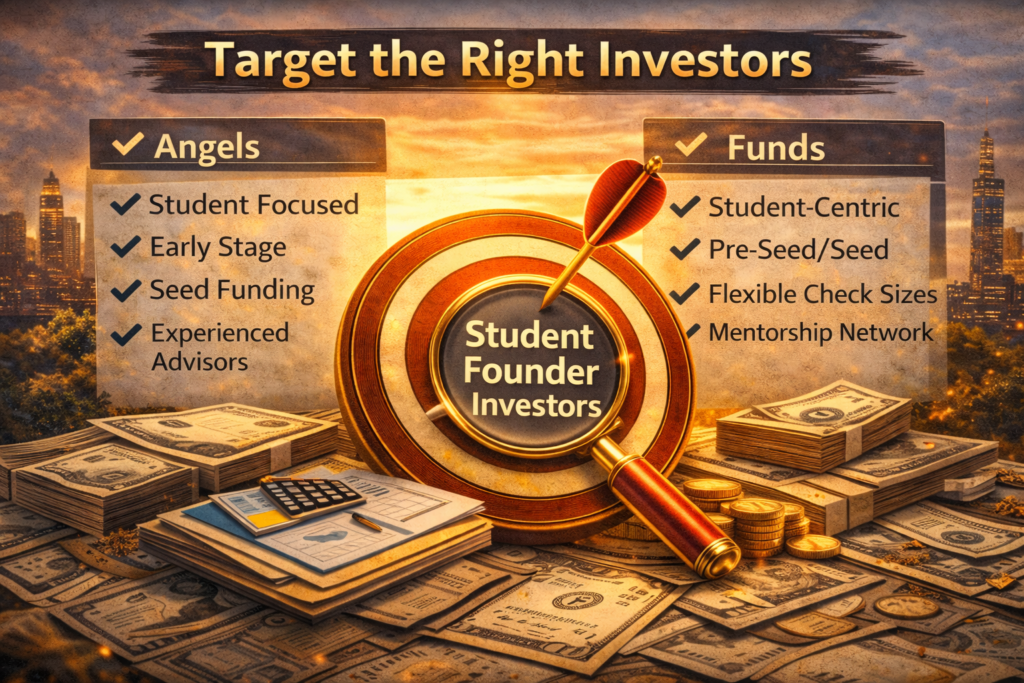
Secret #4 – Target the Right Investors and Build Strategic Relationships

One of the most overlooked mistakes student and first-time founders make is pitching to the wrong investors. Not every investor is suitable for your start up stage, industry, or vision. Funding becomes faster when you focus on alignment instead of random outreach.

Smart fundraising is not about sending hundreds of emails. It is about making focused and strategic connections.

Understand Different Types of Investors

Before reaching out, learn who you are approaching. Different investors operate at different stages.

Common early-stage funding sources include:

  • Angel investors who back early ideas
  • Pre-seed and seed funds focused on growth potential
  • Start up accelerators that provide capital and mentorship
  • College incubators and innovation grants

Each of these has different expectations. Align your pitch according to their investment style.

Research Before You Reach Out

Investors prefer founders who understand their portfolio and thesis. Study:

  • What industries they invest in
  • Average ticket size
  • Stage preference
  • Past successful start ups

Mentioning relevant portfolio companies shows seriousness and preparation. This builds instant credibility.

Build Relationships Before Asking for Money

Do not treat investors like ATM machines. Engage with their content, attend events, ask thoughtful questions, and build rapport over time. A warm introduction always works better than a cold email.

Key relationship principles:

  • Personalize every outreach
  • Be concise and professional
  • Follow up respectfully
  • Focus on long-term connection, not just capital

Rejection is common in fundraising. Do not take it personally. Every no brings you closer to the right yes.

When you target the right investors with a thoughtful approach, you increase your chances of securing funding faster and smarter. Strategic networking transforms uncertainty into real opportunity.

Secret #5 – Build Social Proof and Authority Before You Raise

Investors look for signals that reduce uncertainty. As a student or first-time founder, you may not have years of experience, but you can build visible credibility. Social proof reassures investors that others already believe in your vision.

Authority is not about age. It is about positioning.

Why Social Proof Matters

When investors see validation from external sources, their confidence increases. It shows that your start up is not operating in isolation. Even small recognitions can create a powerful psychological impact.

Forms of social proof that strengthen your profile:

  • Winning or participating in start up competitions
  • Getting selected into incubators or accelerators
  • Media mentions or campus recognition
  • Testimonials from users or mentors
  • Partnerships with student organizations or local businesses

Each achievement adds a layer of trust.

Leverage Your College Ecosystem

Your college environment is a major advantage. Many student founders ignore this resource. Professors, alumni networks, entrepreneurship cells, and campus events can open unexpected doors.

Practical steps to build authority:

  • Present your idea at college demo days
  • Seek mentorship from experienced faculty
  • Connect with alumni founders on LinkedIn
  • Collaborate with skilled peers to strengthen your team

These actions show initiative and seriousness.

Establish Digital Presence

In today’s funding landscape, your online presence acts as your public resume. Share insights from your start up journey. Post lessons learned. Document milestones. This builds consistent visibility.

Key reminders:

  • Visibility builds trust
  • Recognition reduces investor hesitation
  • Small achievements compound into strong credibility

When investors research you and find proof of activity, growth, and leadership, conversations shift. You are no longer just a student with an idea. You become a founder building momentum.

Secret #6 – Think Like an Investor, Not Just a Founder

To secure funding faster, you must shift your mindset. Many student founders think emotionally about their product. Investors think analytically about risk and return. When you start viewing your start up from an investor’s perspective, your conversations become sharper and more convincing.

Investors are not asking, Is this idea interesting?
They are asking, Can this become a scalable and profitable business?

Understand What Investors Evaluate

Before investing, most investors assess a few critical factors:

  • Market size and growth potential
  • Scalability of the business model
  • Revenue clarity and unit economics
  • Competitive advantage
  • Founder resilience and adaptability

If you cannot confidently explain these areas, funding becomes difficult.

Know Your Numbers Clearly

Even as a student founder, financial awareness is essential. You do not need to be a finance expert, but you must understand your fundamentals.

Key financial metrics to master:

  • Revenue model and pricing logic
  • Customer Acquisition Cost
  • Lifetime Value of a customer
  • Burn rate
  • Runway

Clarity in numbers signals maturity and preparation.

Prepare for Tough Questions

Investors will challenge you. They may question your market assumptions or your ability to execute. Do not see this as criticism. See it as evaluation.

Common questions you must answer confidently:

  • Why now
  • Why this market
  • Why you

Key mindset shifts:

  • Replace emotion with strategic clarity
  • Replace assumptions with data
  • Replace fear with preparation

When you think like an investor, you reduce uncertainty. And when uncertainty decreases, funding decisions happen faster. This mental transformation turns you from a hopeful founder into a credible business leader ready for serious capital.

Bonus – Alternative Funding Options Beyond Traditional Investors

Not every student founder needs venture capital immediately. Sometimes the smartest move is choosing flexible and low-risk funding paths that help you grow steadily.

Consider these alternatives:

  • Government start up grants and innovation schemes(to know more click here)
  • College incubation funding
  • Crowdfunding platforms(to know more click here)
  • Revenue-based financing
  • Strategic partnerships
  • Bootstrapping through early sales(to know more click here)

These options reduce equity dilution and give you more control. Early funding is not about chasing big cheques. It is about building sustainable momentum.

Smart founders understand that capital is a tool, not validation. Choose funding that aligns with your stage, vision, and long-term ownership goals.

Realistic Timeline – How Fast Can You Secure Funding

Many student founders expect funding within weeks. In reality, fundraising requires patience and consistent effort. Securing investment can take three to six months depending on your traction, preparation, and network.

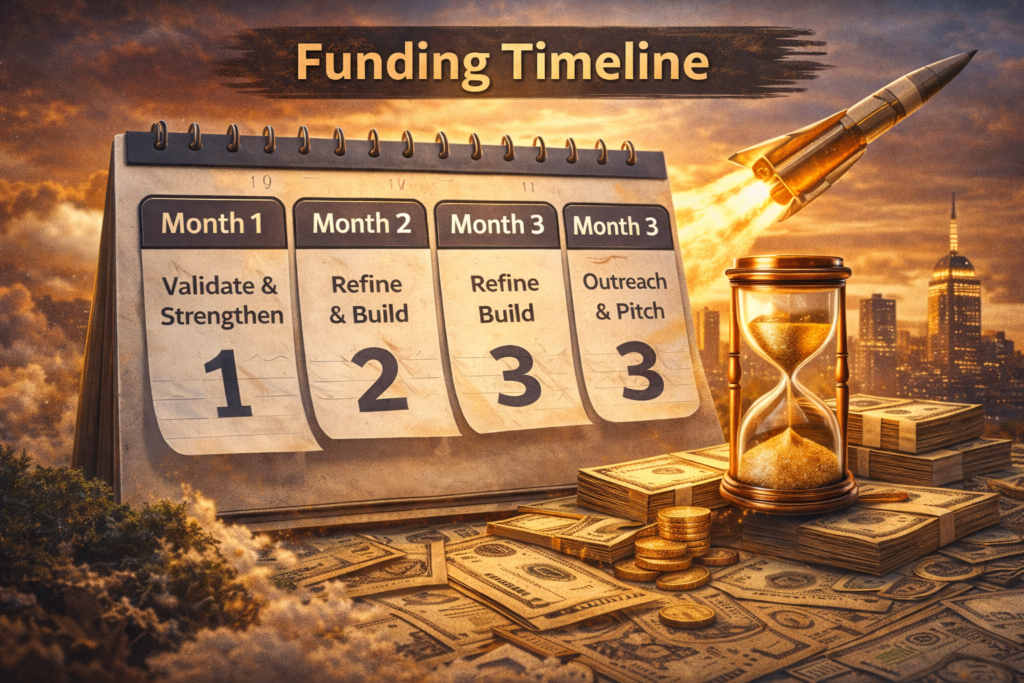
A practical timeline often looks like this:

  • Month 1: Validate idea and strengthen proof
  • Month 2: Refine pitch and build investor list
  • Month 3 and beyond: Outreach, meetings, and follow-ups

Speed depends on clarity and readiness. Focus on building strong fundamentals instead of rushing the process. Sustainable funding happens when preparation meets the right opportunity at the right time.

Common Myths About Student & First-Time Founder Funding

Many young founders delay action because of limiting beliefs. These myths create fear and hesitation, but they are not facts.

Common misconceptions include:

  • Investors do not fund students
  • Only tech start ups get investment
  • You need an MBA or corporate background
  • You must have a perfect product before pitching

In reality, investors back potential, execution, and clarity. Age is not a barrier. Lack of experience is not permanent. What truly matters is traction and mindset.

Break these myths early. Confidence grows when you replace assumptions with real understanding and bold action.

90-Day Action Plan to Prepare for Funding

Instead of waiting for the perfect moment, follow a structured and disciplined roadmap. Ninety days of focused execution can transform your start up readiness.

First 30 Days

  • Validate your idea with real users
  • Build a simple MVP
  • Collect feedback and testimonials

Next 30 Days

  • Refine your pitch deck(to know more click here)
  • Clarify financial basics
  • Strengthen online presence

Final 30 Days

  • Build an investor target list
  • Start outreach and networking
  • Practice investor conversations(to know more click here)

Consistent action builds confidence and momentum. Funding favors founders who prepare before they ask.

FAQ

1. Can students really secure start up funding without experience?

Yes, students can absolutely raise funding even without prior experience. Investors focus on traction, clarity, and execution ability more than age. If you can show proof of demand, a scalable model, and strong commitment, experience becomes less important. Many successful founders started while still in college. What matters most is preparation and your ability to reduce investor risk through results.

2. What is the minimum traction needed before approaching investors?

There is no fixed number, but you should have some form of validated proof. This can include an MVP, early users, revenue, partnerships, or a strong waitlist. Even small traction signals seriousness. Investors want evidence that the market needs your solution, not just a well-designed presentation.

3. How long does it typically take to secure funding?

Fundraising usually takes three to six months, depending on your readiness and network. The process involves preparation, outreach, meetings, and follow-ups. Speed increases when you approach the right investors with clear numbers and strong positioning.

4. Should student founders bootstrap before seeking investment?

In many cases, yes. Bootstrapping helps you validate your idea and maintain ownership. Early revenue strengthens your negotiation power and builds financial discipline. External funding works best when your foundation is already strong.

5. What is the biggest mistake first-time founders make while pitching?

The biggest mistake is focusing only on the product instead of the business opportunity. Investors care about market size, scalability, and returns. Present your start up with strategic clarity, not just passion.

Start Up Success: 7 Powerful Pitch Deck Storytelling Secrets That Win Investors

Introduction: Why Every Founder Struggles With Pitch Deck Storytelling

Most founders believe investors reject their pitch because of weak numbers, lack of funding history, or market competition. But the truth is far more strategic: investors rarely reject ideas — they reject unclear storytelling.

A pitch deck is not a presentation. It is a persuasion tool.

In the early stages of a start up, investors are not just evaluating revenue models or TAM charts. They are evaluating you — your conviction, clarity, emotional intelligence, and ability to turn uncertainty into opportunity. A founder who presents slides without narrative sounds like a student. A founder who tells a compelling story sounds like a leader.

The biggest mistake founders make is focusing on what the company does instead of why it must exist. Investors think in risks and returns. Storytelling reduces perceived risk. It creates logic + emotion — the exact combination that drives investment decisions.

Great pitch storytelling answers three silent investor questions:

  • Why does this problem matter now?
  • Why is this solution inevitable?
  • Why is this founder the one to execute it?

When your pitch deck aligns data with narrative, slides with strategy, and vision with credibility — you shift from “seeking funding” to “offering opportunity.”

“Investors don’t fund ideas. They fund belief — and belief is built through powerful storytelling.”


Step 1: Founder Mindset — Investors Fund Vision, Not Slides

Before investors analyze your market size or revenue projections, they evaluate one thing first — the founder. In the early stage of a start up, your mindset carries more weight than your metrics.

A pitch deck is simply a tool. But vision, conviction, and clarity come from you.

🧠 Why Founder Mindset Matters for Start Up

Investors are not just calculating risk. They are assessing leadership. They silently ask:

  • Does this founder deeply understand the problem?
  • Can this founder handle pressure and setbacks?
  • Is this person capable of executing long-term?

If your delivery lacks confidence, your opportunity feels risky. If your communication is clear and purposeful, your start up feels investable.

Your mindset shapes your storytelling. When you believe in your mission, your narrative becomes persuasive instead of defensive.


🎯 The 3 Core Questions Every Founder Must Answer

To strengthen your pitch foundation, reflect on:

  1. Why this problem?
    What personal insight or experience led you here?
  2. Why now?
    What market shift makes this the right time?
  3. Why you?
    What unique skills, knowledge, or advantage make you the right founder to solve it?

When these answers are clear, your story gains depth and authenticity.


⚠️ Common Founder Mistakes

  • Over-relying on slides instead of clarity
  • Speaking technically instead of strategically
  • Hiding passion to sound “professional”

Remember, professionalism is clarity — not coldness.


💡 Practical Tip

Write your founder story in three powerful sentences. If it sounds compelling without slides, your mindset is strong.

“Slides can explain a business. Only a founder can inspire belief.”


Step 2: Define the Problem With Emotional Clarity

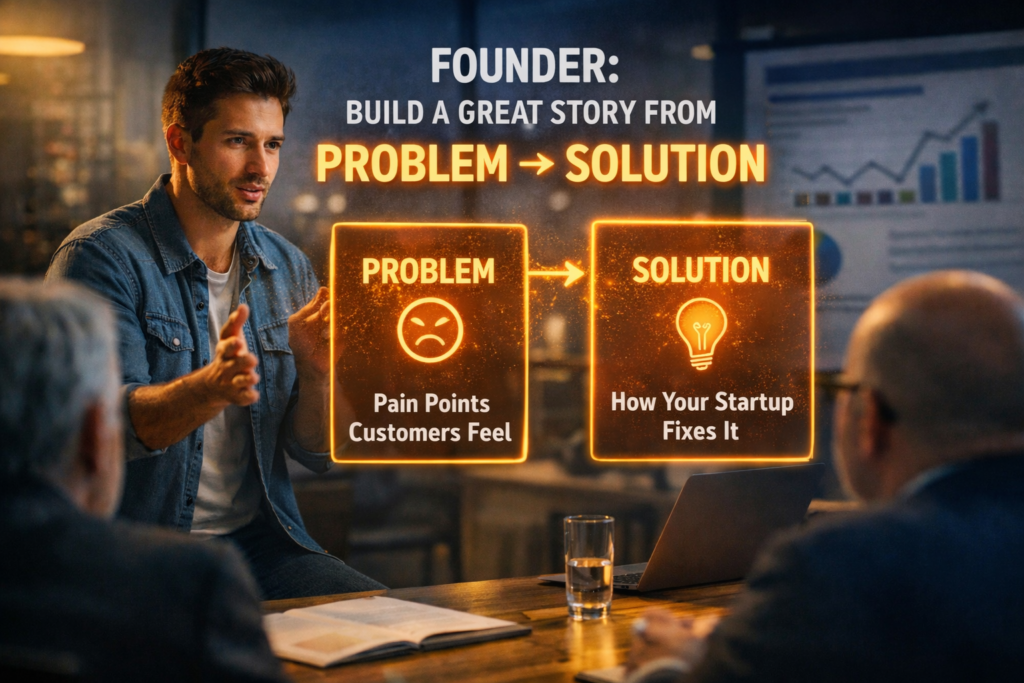
A strong founder understands that investors do not invest in products — they invest in problems worth solving. If your problem statement is weak, unclear, or too broad, your entire pitch loses impact. This is where many start up founders fail.

🔍 Why the Problem Slide Matters Most

The problem slide sets the emotional foundation of your pitch deck. It answers a crucial investor question:

Is this problem painful enough to demand a solution?

If the pain is small, the opportunity is small. If the pain is urgent, recurring, and costly — investors pay attention.


🎯 How to Present the Problem Powerfully

Instead of writing generic statements like:
“Many businesses struggle with marketing.”

Make it specific and emotional:
“Early-stage founders lose 40% of potential revenue because they lack structured marketing systems.”

Use this simple framework:

  • Who is suffering?
  • What exactly is the pain?
  • Why does it matter financially or emotionally?

When you combine data + real-world impact, your story becomes credible and compelling.


⚠️ Common Founder Mistakes

  • Being too technical
  • Using vague language
  • Presenting multiple unrelated problems
  • Ignoring urgency

Remember, clarity beats complexity. Investors should understand the pain within 10 seconds.


💡 Pro Tip

Imagine explaining the problem to a smart 12-year-old. If they understand it instantly, your message is clear enough for investors.

“The bigger and clearer the pain, the stronger the investment opportunity.”


Step 3: Present the Solution as a Story, Not a Product

After clearly defining the problem, most founders make a critical mistake — they immediately jump into features. But investors are not impressed by long feature lists. They are persuaded by transformation.

Your solution should not sound like a product manual. It should sound like a before-and-after story.

🚀 Shift From Features to Impact

Instead of saying:
“Our platform uses AI-based automation tools.”

Say:
“Our platform helps early-stage founders automate customer acquisition and save 20+ hours per week.”

See the difference? One explains technology. The other shows outcome.

Use this simple storytelling formula:

  • Before: What does life look like without your solution?
  • After: What changes once your solution is adopted?
  • Bridge: How does your product make that transformation happen?

Investors want to visualize success. Make it easy for them.


🎯 Make the Solution Feel Inevitable

A strong start up solution should feel like the logical next step in the market evolution. Show:

  • Why existing solutions are insufficient
  • How your approach is different
  • Why now is the right time for this innovation

When your narrative creates inevitability, risk perception drops.


⚠️ Common Founder Errors

  • Overcomplicating technical explanations
  • Using too much jargon
  • Focusing on product instead of value
  • Forgetting to connect back to the problem

Always tie your solution directly to the pain you introduced earlier.


💡 Pro Tip

Ask yourself: “If we didn’t exist, what would customers lose?”
Your answer is your real value proposition.

“Investors don’t fund products. They fund powerful transformations.”


Step 4: Market Size & Opportunity — Make It Irresistible

Once you’ve explained the problem and solution, investors naturally ask:
“How big can this become?”

This is where many founders either exaggerate wildly or underestimate their opportunity. Both reduce credibility. Your job is to present the market in a way that feels realistic, scalable, and exciting.

📊 Why Market Size Matters for Start Up

Investors look for large, growing markets because venture returns require scale. Even the best start up idea struggles in a tiny or stagnant market.

Your market slide should answer:

  • Is this opportunity worth my investment?
  • Can this become a large company?
  • Is the market growing fast enough?

🎯 Explain TAM, SAM & SOM Clearly

Keep it simple and structured:

  • TAM (Total Addressable Market): The total global demand for your solution.
  • SAM (Serviceable Available Market): The segment you can realistically target.
  • SOM (Serviceable Obtainable Market): The portion you can capture in the next 3–5 years.

Avoid unrealistic billion-dollar claims without logic. Instead, show credible data sources, industry growth trends, and clear assumptions.


🚀 Make the Opportunity Feel Strategic

Strong founders connect market data with timing. Show:

  • Industry shifts or new regulations
  • Technology advancements
  • Consumer behavior changes

This proves your start up is entering at the right moment, not randomly.


⚠️ Common Founder Mistakes

  • Inflated numbers without proof
  • Copy-pasted statistics
  • No explanation of assumptions

Investors value logic over hype.


💡 Pro Tip

Always tie market size back to your solution:
“How much of this opportunity can we realistically own?”

“Big markets attract capital, but credible founders secure it.”


Step 5: Traction — The Secret Weapon for Any Founder

If storytelling builds interest, traction builds trust. For any founder, traction is proof that the market already believes in the start up — even before investors do.

Investors love momentum. Traction reduces risk and shows execution ability.


📈 Why Traction Changes Everything

A great idea is potential.
Traction is validation.

It answers critical investor questions:

  • Do customers actually want this?
  • Can this founder execute?
  • Is there real demand beyond theory?

Even small progress signals competence.


🎯 What Counts as Traction?

Many founders assume traction only means revenue. That’s not true. Traction can include:

  • Paying customers
  • User growth rate
  • Pre-orders or waitlists
  • Strategic partnerships
  • Pilot programs
  • Retention metrics
  • Testimonials

If you are pre-revenue, show engagement and demand indicators. Investors care about momentum, not perfection.


🚀 How to Present Traction Powerfully

Be specific and measurable:

Instead of saying:
“We are growing fast.”

Say:
“We grew from 200 to 1,200 active users in 3 months with 35% month-over-month growth.”

Numbers build credibility. Trends build excitement.

Highlight:

  • Growth rate
  • Conversion rate
  • Customer acquisition cost
  • Lifetime value (if available)

⚠️ Common Founder Mistakes

  • Showing vanity metrics
  • Hiding slow growth
  • Overcomplicating data

Keep it simple, visual, and honest.


💡 Pro Tip

If traction is small, focus on consistency and learning speed. Investors respect founders who test, iterate, and improve quickly.

“Traction turns belief into proof — and proof attracts capital.”


Step 6: The Founder & Team Slide — The Real Investment

At this stage of the pitch, investors are thinking one powerful thought:
“Can this team actually execute?”

No matter how strong the market or traction is, a start up succeeds because of the founder and team behind it. In fact, many investors openly say they would rather invest in an average idea with an exceptional founder than the opposite.

👥 Why the Team Slide Is Critical for Start Up

Early-stage investing is risky. There are unknowns everywhere. The only constant is the team’s ability to adapt, pivot, and solve problems.

Your team slide should answer:

  • Does this founder have domain expertise?
  • Is the team balanced in skills?
  • Can they survive setbacks?

This slide is not about listing resumes. It is about showing execution credibility.


🎯 How to Present the Founder Strategically

Instead of writing a long biography, focus on:

  • Relevant industry experience
  • Past achievements or exits
  • Unique insight into the problem
  • Technical or business strengths

Highlight why you are uniquely positioned to solve this problem.

For example:
If you’re building a fintech product and previously worked in banking, that’s strategic credibility.


🚀 Show Complementary Strengths

A strong start up team usually combines:

  • Product or technical expertise
  • Business or growth strategy
  • Operations or execution management

Investors look for balance, not duplication.


⚠️ Common Founder Mistakes

  • Adding advisors with no real involvement
  • Overloading the slide with too much text
  • Hiding skill gaps instead of addressing them

Honesty builds trust.


💡 Pro Tip

If your team is small, emphasize adaptability and learning speed. Investors value resilient founders who evolve quickly.

“Ideas start companies. Founders and teams build empires.”


Step 7: Financial Storytelling — Make Numbers Make Sense

When investors reach your financial slide, they are not just looking at numbers — they are evaluating the founder’s strategic thinking. Financials are not about showing perfection. They are about showing clarity, logic, and realism.

A strong start up financial story answers one key question:
“How does this business make money — and how does it scale?”

💰 Focus on the Revenue Model First

Before projections, clearly explain:

  • How you generate revenue
  • Your pricing structure
  • Who pays and why
  • Recurring or one-time income

If your revenue model is confusing, investors will assume execution will be confusing too.


📊 Present Projections With Logic

Your 3–5 year projections should include:

  • Revenue growth
  • Major cost categories
  • Gross margins
  • Break-even point

Avoid unrealistic “hockey-stick” growth graphs without explanation. Instead, connect projections to:

  • Market size
  • Traction data
  • Customer acquisition strategy

Investors respect logical assumptions, even if the numbers are conservative.


🎯 Clearly State the Funding Ask

Be direct:

  • How much are you raising?
  • How long will it last (runway)?
  • What milestones will it achieve?

For example:
“Raising ₹2 crore to achieve 10,000 paid users and expand into two new markets within 18 months.”

Clarity builds trust.


⚠️ Common Founder Mistakes

  • Overestimating revenue
  • Ignoring expenses
  • Avoiding burn rate discussion
  • Not explaining assumptions

Transparency increases credibility.


💡 Pro Tip

Think of financials as a growth roadmap, not just numbers. Show how today’s investment creates tomorrow’s scale.

“Investors don’t expect perfect numbers — they expect rational founders.”


Bonus: Common Pitch Deck Mistakes Founders Must Avoid

Even strong founders with promising start up ideas lose investor interest because of avoidable mistakes. Sometimes, it’s not what you include in your pitch deck that hurts you — it’s how you present it.

Understanding these common errors can instantly improve your credibility and increase your chances of funding.

  • To know about Top 5 Shocking Misapprehensions Founders Make When Raising Capital click here.
  • To know about Why Start ups Fail to Get Funding from Investors click here.
  • To learn about start up fundability click here.
  • To understand Why investors Readiness Matters in Start up click here.
  • To know about Start up Non-Dilutive & Alternative Funding: 7 Powerful Ways to Raise Capital Without Equity click here.
  • To know about Start up Angel Funding and Early-Stage Capital click here.
  • If your are really determined and want more information click here.

❌ 1. Too Much Information, Too Little Clarity

Many founders overload slides with paragraphs, charts, and technical jargon. Investors typically review dozens of decks weekly. If your message isn’t clear within seconds, attention drops.

Fix:
Keep slides clean. One main idea per slide. Support it with 2–3 concise bullet points.

❌ 2. Weak Story Flow

A pitch deck should feel like a logical journey:

Problem → Solution → Market → Traction → Team → Financials → Ask

When slides jump randomly between topics, your narrative feels unstructured.

Fix:
Build a strategic flow. Every slide should naturally lead to the next.

❌ 3. No Clear Differentiation

Saying “We are better” is not enough. Investors want to know:

  • What makes this start up unique?
  • Why can’t competitors easily copy it?
  • What is the founder’s unfair advantage?

Fix:
Highlight your positioning clearly and confidently.

❌ 4. Unrealistic Financial Projections

Nothing damages trust faster than exaggerated revenue claims without logic. Investors quickly recognize inflated numbers.

Fix:
Base projections on real assumptions: customer acquisition cost, conversion rate, and market size.

❌ 5. Ignoring Risks

Some founders try to present their start up as risk-free. That feels unrealistic.

Fix:
Acknowledge risks briefly and explain mitigation strategies. This shows maturity.

❌ 6. Overdesign, Under substance

Fancy animations and heavy design cannot compensate for weak strategy.

Fix:
Prioritize clarity over decoration.

💡 Final Thought for Founders

Your pitch deck should communicate confidence, clarity, and competence. Avoiding these mistakes instantly elevates your professionalism.

“Investors don’t reject imperfect ideas — they reject unclear founders.”


How to Close Like a Confident Founder

The final slide of your pitch deck is not just an ending — it is your lasting impression. Many founders weaken their impact by rushing the close or sounding uncertain. A strong close reinforces confidence and makes your start up feel like an opportunity investors should not miss.

🎯 Restate the Vision Clearly

Briefly remind investors:

  • The problem you are solving
  • The opportunity size
  • The traction achieved

This reinforces the logic of your story.

💰 Present the Ask With Confidence

Clearly state:

  • How much you are raising
  • What milestones this funding will achieve
  • Expected growth in the next phase

For example:
“We are raising ₹3 crore to scale to 25,000 users and expand into two new markets within 18 months.”

Be direct. Avoid hesitation.

🚀 End With Strength

Finish with a confident, forward-looking statement. Make investors feel they are joining something bigger.

“We are not just building a product — we are building the future of this industry.”


FAQ

What do investors look for most in a founder’s pitch deck?

Investors primarily evaluate clarity, scalability, and execution ability. They want to see a clear problem, a compelling solution, strong market opportunity, early traction (if available), and a capable founder/team. Most importantly, they assess whether the founder can execute under uncertainty and grow the start up sustainably.

How long should a start up pitch deck be?

An effective pitch deck usually contains 10–15 slides. It should cover: Problem, Solution, Market Size, Product, Traction, Business Model, Competition, Team, Financials, and Funding Ask. Keep it concise — investors prefer clarity over volume.

Can a pre-revenue founder still win investors?

Yes. Many early-stage investors fund pre-revenue start ups. However, founders must show validation signals such as user growth, waitlists, pilot customers, strong market demand, or industry expertise. Execution capability often matters more than revenue at the early stage.

How important is storytelling in a pitch deck for start up?

Storytelling is critical. Data informs, but story persuades. A structured narrative reduces investor risk perception and helps them visualize growth. Strong storytelling connects problem → solution → opportunity logically and emotionally.

What is the biggest mistake founders make in pitch decks?

The biggest mistake is lack of clarity — too much text, unrealistic projections, weak differentiation, or no clear funding ask. Investors need confidence and structure. A simple, strategic pitch often performs better than an overly complex one.

Start Up Funding in India: 10 Proven Strategies for Massive Growth

Introduction: Start Up Funding in India

India has emerged as one of the fastest-growing start up ecosystems in the world, driven by innovation, technology, and a new generation of ambitious entrepreneurs. From small towns to metropolitan cities, start ups in India are solving real-world problems in areas such as technology, healthcare, education, fintech, agriculture, and sustainability. However, behind every successful start up lies one crucial factor — the right funding strategy.

Start up funding in India is not just about raising money; it is about choosing the right capital at the right stage. The Indian funding landscape is unique because it offers a diverse mix of traditional and modern funding options. Founders can begin with bootstrapping or family support, move on to angel investors and venture capitalists, and even explore government-backed schemes and corporate partnerships. Each funding source comes with its own advantages, risks, and expectations, making strategic decision-making extremely important.

In recent years, India has witnessed a massive surge in investor confidence, thanks to policy support, digital transformation, and a rapidly growing consumer market. Yet, many promising start ups fail not because their ideas are weak, but because they lack proper funding knowledge or planning. Understanding how funding works in India helps founders avoid early mistakes, unnecessary equity loss, and financial stress.

Funding also plays a critical role in achieving massive growth. Capital enables start ups to hire skilled talent, scale operations, invest in technology, improve products, and expand into new markets. At the same time, funding brings accountability, discipline, and long-term vision. Indian investors today look beyond ideas — they focus on execution ability, market understanding, revenue models, and founder commitment.

“In the Indian start up journey, funding does not create success — it accelerates the right foundation.”

1. Bootstrapping in India

Bootstrapping in India means building a start up using personal savings or internally generated revenue, without relying on external investors. In the Indian start up ecosystem, bootstrapping is not just a funding method—it is a mindset of discipline, resilience, and self-reliance.

India is uniquely suited for bootstrapping because of its low-cost talent, affordable infrastructure, and massive domestic market. Many successful Indian start ups began with minimal capital and focused first on solving real problems, rather than chasing funding. Bootstrapped founders learn to manage money carefully, prioritize essentials, and achieve early profitability.

When start ups bootstrap, founders retain 100% ownership and decision-making power. This freedom allows them to experiment, pivot, and grow at their own pace. It also builds strong credibility—investors often trust bootstrapped start ups more because they show proof of execution rather than just ideas.

However, bootstrapping also comes with challenges. Growth can be slower, resources are limited, and founders often juggle multiple roles. Despite this, bootstrapping creates financially strong and sustainable businesses, which are well-prepared for future funding if needed.

Key Points

  • No equity dilution, full founder control
  • Encourages financial discipline and efficiency
  • Ideal for early-stage and service-based start ups in India
  • Builds strong fundamentals and investor trust

Quote:

“Bootstrapping doesn’t limit growth—it strengthens the foundation.”

In India, bootstrapping is often the first proven strategy that turns an idea into a real business. It teaches founders how to survive, adapt, and grow—skills that are essential for massive long-term success.


2. Friends and Family Funding in India

Friends and family funding is often the first external funding step for a start up in India. It involves raising capital from people who already trust the founder personally, such as parents, relatives, close friends, or mentors. In the Indian context, this method is extremely common because of strong family ties and relationship-based support systems.

This type of funding usually happens at the idea stage or early execution stage, when banks and professional investors are not yet willing to take risks. In India, friends and family funding is commonly used to build prototypes, register the business, hire initial talent, or launch a minimum viable product (MVP).

One major advantage is speed and flexibility. There are fewer formalities, no complex valuation discussions, and quick access to funds. However, this also makes it emotionally sensitive. Mixing money with personal relationships can lead to misunderstandings if expectations are not clearly defined.

Indian founders must treat this funding professionally, even though it comes from close circles. Clear communication about risk, timelines, and uncertainty is essential. Written agreements, even simple ones, help avoid future conflicts. Transparency builds long-term trust and protects relationships.

Friends and family funding should be viewed as high-responsibility capital. Losing this money does not just affect finances—it can damage relationships. That’s why founders should raise only what is truly required and use the funds carefully.

Key Points

  • Fast and accessible early-stage funding
  • Based on trust, not just business metrics
  • Requires clear communication and honesty
  • Best suited for idea validation and early launch in India

Quote:

“When money comes from trust, responsibility must come first.”

In India’s ecosystem, friends and family funding acts as a bridge between an idea and a real business, helping founders take their first confident step toward growth.


3. Angel Investors in India

Angel investors are high-net-worth individuals who invest in early-stage start ups in exchange for equity. In India, angel investing has grown rapidly with experienced entrepreneurs reinvesting their success into new ventures.

Indian angels provide more than money—they offer mentorship, industry connections, and strategic guidance. They usually invest during the seed or pre-Series A stage, when start ups show early traction.

To attract angels in India, founders must present a strong value proposition, scalable business model, and clear revenue path. Networking events, pitch forums, and start up communities play a major role.

Key Points:

  • Equity-based funding
  • Strong mentorship support
  • Ideal for early growth
  • Requires convincing pitch

Quote:

“Angel investors invest in people before they invest in ideas.”


4. Venture Capital Funding in India

Venture Capital (VC) funding in India is one of the most powerful growth engines for start ups that aim for rapid scale, large markets, and national or global impact. Unlike early funding methods, venture capital is designed for start ups that have already proven their idea and are ready for massive expansion.

In the Indian ecosystem, VC funding usually comes after a start up shows product–market fit, user traction, and a scalable business model. Venture capitalists invest large sums of money in exchange for equity and strategic influence. Their goal is to help start ups grow fast and deliver high returns over time.

VC funding in India happens in stages such as Seed, Series A, Series B, and Series C. Each stage represents a higher level of maturity, revenue, and valuation. Along with capital, VCs bring mentorship, industry expertise, strong networks, and credibility, which can open doors to partnerships and future investments.

However, venture capital also comes with high expectations and pressure. Founders must meet aggressive growth targets, share control through board seats, and accept dilution of ownership. Decisions become data-driven, performance-focused, and growth-oriented. For this reason, VC funding is best suited for start ups that are ready to scale fast, not those still experimenting.

In India, VC funding has played a crucial role in building technology, fintech, SaaS, edtech, and consumer start ups. When used wisely, it transforms start ups into market leaders.

Key Points

  • Large capital for rapid scaling
  • Equity dilution and shared control
  • Strong mentorship and investor networks
  • Best for high-growth Indian start ups

Quote:

“Venture capital doesn’t fund survival—it funds speed.”

Venture capital funding in India is not just about money; it is about ambition, execution, and the courage to grow big.


5. Government Schemes for Start Up Funding in India

Government schemes for start up funding in India play a vital role in encouraging innovation, entrepreneurship, and inclusive economic growth. Unlike private funding, government support focuses not only on profits but also on nation-building, employment generation, and technological advancement.

The Indian government has introduced several initiatives to support start ups through grants, subsidies, tax benefits, and credit guarantees. These schemes are especially valuable for early-stage start ups, as they provide non-dilutive funding, meaning founders do not have to give up equity.

Government funding is particularly strong in sectors such as technology, manufacturing, healthcare, clean energy, and social impact. Many schemes are designed to help start ups overcome early financial barriers like research costs, infrastructure setup, and product development.

One major advantage of government schemes is financial stability with reduced risk. Start ups receive structured support, policy backing, and sometimes access to incubators and mentors. However, the process often involves documentation, eligibility checks, and longer approval timelines. Patience and compliance are essential.

For Indian founders, government funding works best when combined with strong execution and transparency. Start ups that use these schemes efficiently gain credibility, making it easier to attract private investors later.

Key Points

  • Non-dilutive funding (no equity loss)
  • Strong focus on innovation and impact
  • Ideal for early-stage Indian start ups
  • Requires compliance and documentation

Quote:

“Government support doesn’t replace ambition—it empowers it.”

In India’s ecosystem, government schemes act as a foundation layer, enabling start ups to grow responsibly while contributing to the country’s long-term development.


6. Incubators and Accelerators in India

Incubators and accelerators in India play a crucial role in shaping early-stage start ups by providing structured guidance, mentorship, and initial funding support. While funding is important, these platforms focus more on building strong foundations, refining ideas, and preparing start ups for long-term growth.

An incubator supports start ups at a very early stage—often when the idea is still evolving. It offers workspace, mentoring, technical support, and extended time to develop products. In contrast, an accelerator works with start ups that already have a product or early traction and helps them scale quickly within a fixed time frame, usually 3–6 months.

In India, incubators and accelerators are supported by universities, corporates, private organizations, and the government. They help founders understand market fit, customer needs, business models, and investor expectations. Many also provide seed funding in exchange for small equity, along with access to demo days and investor networks.

One of the biggest advantages is mentorship from experienced entrepreneurs and industry experts. This guidance helps founders avoid common mistakes, save time, and grow smarter. Start ups graduating from strong accelerator programs often gain higher credibility, making it easier to raise angel or venture capital funding later.

However, founders must choose programs carefully. Not all incubators or accelerators add equal value. The right fit depends on industry focus, mentor quality, network strength, and growth goals.

Key Points

  • Early-stage mentorship-driven support
  • Access to networks, investors, and experts
  • Small funding with learning-focused growth
  • Ideal for first-time founders in India

Quote:

“The right guidance can accelerate growth faster than money alone.”

In the Indian ecosystem, incubators and accelerators act as launchpads, turning raw ideas into investor-ready businesses.


7. Bank Loans and NBFC Funding in India

Bank loans and NBFC (Non-Banking Financial Company) funding in India offer start ups a way to raise capital without giving up equity. This form of funding is known as debt financing, where start ups borrow money and repay it with interest over a fixed period.

In India, traditional banks usually prefer start ups that have stable revenue, clear cash flow, and a proven business model. Because of strict eligibility criteria, many early-stage start ups find it difficult to access bank loans. This is where NBFCs step in, offering more flexible lending options, faster approvals, and customized repayment structures.

Debt funding is best suited for start ups that already generate income and need capital for working capital, equipment purchase, expansion, or inventory management. Since ownership remains fully with the founders, this funding method helps maintain control and long-term decision-making power.

However, bank loans and NBFC funding also come with financial pressure. Repayments must be made regardless of business performance. Missing payments can affect credit scores and future funding opportunities. Therefore, start ups must plan repayment carefully and avoid over-borrowing.

In the Indian ecosystem, debt funding is often used alongside equity funding to balance risk and growth. When used responsibly, it strengthens financial discipline and improves business credibility.

Key Points

  • No equity dilution, full ownership retained
  • Suitable for revenue-generating start ups
  • Fixed repayment and interest obligations
  • Requires strong financial planning

Quote:

“Debt rewards discipline, but punishes carelessness.”

Bank loans and NBFC funding in India act as a growth-support tool, not a survival mechanism. For start ups with steady cash flow, this strategy can accelerate expansion while preserving ownership.


8. Crowdfunding Opportunities in India

Crowdfunding in India is a modern funding method where start ups raise small amounts of money from a large number of people, usually through online platforms. Instead of relying on a single investor, founders present their idea to the public and invite support based on belief, interest, or shared purpose.

In India, crowdfunding is commonly used for creative projects, consumer products, and early-stage innovations. It not only helps raise funds but also acts as market validation. When people are willing to contribute, it shows real demand for the product or idea.

There are different forms of crowdfunding, such as reward-based, donation-based, and limited equity-based models (with regulations). Most Indian start ups prefer reward or donation-based crowdfunding due to simpler compliance.

One major benefit is brand building. Crowdfunding turns supporters into early customers and promoters. However, it requires strong storytelling, transparency, and trust. Campaigns that fail publicly can affect reputation, so preparation is crucial.

Key Points

  • Funding from the public instead of investors
  • Strong market validation tool
  • Builds early customer community
  • Requires clear communication and planning

Quote:

“Crowdfunding doesn’t just raise money—it proves belief.”


9. Corporate and Strategic Investors in India

Corporate and strategic investors in India are large companies that invest in start ups to achieve long-term business goals, not just financial returns. Unlike venture capitalists, these investors look for strategic alignment, such as technology integration, market expansion, or innovation support.

In the Indian ecosystem, corporate investors often come from sectors like technology, telecom, manufacturing, finance, healthcare, and retail. They invest in start ups that can complement their existing products, improve efficiency, or open new markets. Along with capital, they provide start ups access to industry expertise, infrastructure, distribution channels, and brand credibility.

One major advantage of strategic investment is market access. Start ups can scale faster by leveraging the corporate partner’s customer base and operational strength. This type of funding also increases trust among other investors and customers.

However, corporate funding may reduce flexibility. Strategic investors may influence product direction or business decisions to suit their interests. Therefore, founders must ensure clear alignment of vision and expectations before accepting such investments.

Key Points

  • Focus on long-term strategic value, not just profit
  • Provides market access and industry expertise
  • Enhances credibility and scaling speed
  • Requires strong alignment of goals

Quote:

“Strategic capital builds partnerships, not just profits.”

In India, corporate and strategic investors act as growth partners, helping start ups move from innovation to large-scale impact.


10. Preparing a Strong Pitch for Indian Investors

Preparing a strong pitch for Indian investors is one of the most critical steps in securing funding in India. A pitch is not just a presentation—it is a story backed by data, clarity, and confidence. Indian investors look for founders who deeply understand their problem, market, and execution plan.

A strong pitch clearly explains the problem, the solution, and why the start up is uniquely positioned to win. Investors expect clarity on market size, revenue model, traction, and scalability. Simplicity matters—complex ideas should be explained in easy, logical terms.

In India, investors pay close attention to the founding team. They assess leadership ability, commitment, and adaptability. Honest numbers, realistic projections, and transparency about risks build trust and credibility. Overpromising or exaggeration often leads to rejection.

Visual storytelling also plays a key role. A clean pitch deck with clear charts, minimal text, and strong insights helps investors quickly understand the opportunity. Practicing delivery is equally important—confidence and clarity can make a decisive difference.

Key Points

  • Clear problem–solution narrative
  • Strong focus on market and traction
  • Honest data and realistic projections
  • Confident, well-practiced delivery

Quote:

“A great pitch doesn’t sell dreams—it proves readiness.”

In India’s competitive start up ecosystem, a strong pitch transforms ideas into investor confidence and funding success.

  • To know about Top 5 Shocking Misapprehensions Founders Make When Raising Capital click here.
  • To know about Why Start ups Fail to Get Funding from Investors click here.
  • To learn about start up fundability click here.
  • To understand Why investors Readiness Matters in Start up click here.
  • To know about Start up Non-Dilutive & Alternative Funding: 7 Powerful Ways to Raise Capital Without Equity click here.
  • To know about Start up Angel Funding and Early-Stage Capital click here.

FAQ

What is the best funding option for a start up in India?

The best option depends on the stage of the start up. Early-stage start ups often use bootstrapping or friends and family funding, while growing start ups prefer angel investors or venture capital.

Can a start up in India get funding without giving equity?

Yes. Start ups can use bootstrapping, government schemes, bank loans, NBFC funding, and crowdfunding to raise funds without equity dilution.

Is government funding available for all start ups in India?

Government funding is mainly available for start ups that meet eligibility criteria, especially in innovation, technology, manufacturing, and social impact sectors.

How important is a pitch deck for Indian investors?

A pitch deck is crucial. Indian investors evaluate start ups based on problem clarity, market size, traction, revenue model, and team strength.

What is the biggest mistake start ups make while raising funds in India?

The biggest mistake is raising funds too early or without clear execution, along with overpromising and poor financial planning.

Angel Funding and Early-Stage Capital: 5 Core Principles That Shape Start up Growth

Investor Insights: How Smart Capital Shapes Start up Growth

Every founder eventually reaches a point where building alone is no longer enough. This is the moment when the word investor stops being abstract and starts becoming central to the start up journey. An investor is not just someone who provides capital—they are a strategic partner who evaluates risk, believes in potential, and commits to a long-term vision.

In the start up ecosystem, investors come in many forms, from angel investors backing early ideas to strategic investors supporting scalable growth. What unites them is a shared mindset: they look beyond passion and focus on clarity, market opportunity, and execution capability. For investors, a start up is not just a product; it is a system designed to grow, adapt, and eventually deliver returns.

Understanding how investors think is critical for founders. While founders are emotionally attached to their vision, investors are trained to assess scalability, defensibility, and timing. They ask hard questions about market size, business models, and the team’s ability to execute under pressure. This difference in perspective is not a conflict—it is a balance that, when aligned, creates strong companies.

Attracting the right investor requires more than a polished pitch deck. It demands an honest story, realistic projections, and a willingness to learn. Investors value founders who are transparent, coachable, and disciplined in execution. Choosing alignment over valuation often leads to healthier long-term partnerships.

Mistakes happen when founders chase capital without preparation or treat investors as short-term solutions. In reality, the right investor accelerates growth far beyond funding—through mentorship, networks, and credibility.

Ultimately, great investor relationships are built on trust, communication, and shared ambition. When founders and investors move forward together with clarity and respect, capital becomes more than money—it becomes momentum.


The Moment Every Founder Starts Thinking Like an Investor

Every start up journey begins with passion, but it matures with perspective. The moment a founder starts thinking like an investor is the moment the start up begins to scale mentally—even before it scales operationally.

Initially, founders focus on building: the product, the team, the solution. Investors, however, focus on outcomes—market size, scalability, risk exposure, and long-term value creation. When founders align their thinking with investor logic, conversations shift from “what we built” to “why this can grow.”

This transition is not about abandoning vision; it is about sharpening it. Founders who understand investors communicate more clearly, prepare more strategically, and make better long-term decisions. They stop chasing capital and start attracting it.

“The best founders don’t pitch like sellers; they think like partners.”


Who Is an Investor in the Start up Ecosystem?

An investor is often misunderstood as merely a source of funding. In reality, an investor is a decision-maker who allocates capital under uncertainty, guided by experience, analysis, and belief.

Investors commit resources—financial, reputational, and intellectual—into ventures that may take years to mature. Their role extends beyond writing checks; they influence strategy, governance, hiring decisions, and future funding trajectories.

What Defines an Investor?

At the core, an investor is someone who:

  • Accepts calculated risk
  • Expects long-term value creation
  • Aligns capital with conviction

Unlike lenders, investors do not demand immediate returns. They wait, guide, and support—because their success depends on the start up’s success.

Types of Investors in Early-Stage Businesses

  • Angel Investors: Individuals backing early ideas
  • Seed Investors: Focused on early validation and traction
  • Strategic Investors: Offering capital plus industry advantage

Each investor type brings different expectations, timelines, and value additions.

“Capital is common; conviction is rare. Investors are defined by the latter.”


How Investors Evaluate Start ups

Investors evaluate start ups through structured curiosity. While no two investors are identical, most follow a disciplined evaluation framework.

The First Things Investors Look For

  • A clearly defined problem
  • A large and reachable market
  • A capable, committed founding team

Ideas matter, but execution credibility matters more. Investors want evidence that founders can navigate uncertainty and adapt quickly.

What Makes an Investor Pay Attention

Beyond numbers, investors pay attention to clarity. A founder who can articulate why this problem matters now often stands out more than one with excessive data.

“Investors don’t invest in certainty—they invest in clarity under uncertainty.”


The Investor Mindset — Risk, Return, and Timing

Understanding the investor mindset helps founders communicate effectively and set realistic expectations.

How Investors Think About Risk

Risk is unavoidable in start ups. Investors manage it by:

  • Diversifying portfolios
  • Backing strong teams
  • Investing in scalable markets

Failure is expected; learning is valued.

What Investors Expect in Return

Returns come through growth, equity appreciation, and eventual exits. Most investors think long-term, often across 7–10 years.

“Risk is not avoided by investors; it is priced, structured, and managed.”


Investor vs Founder Perspective

Founders and investors often look at the same start up through different lenses.

How Founders View Their Start up

  • Emotional attachment
  • Vision-driven optimism
  • Deep product focus

How Investors View the Same Start up

  • Scalability potential
  • Market defensibility
  • Portfolio fit

This contrast is healthy. When aligned, it creates balance and resilience.

“Founders build dreams; investors pressure-test them.”


What Investors Expect From Founders Beyond the Pitch

A pitch may open the door, but behaviour sustains the relationship. Investors look for founders who demonstrate scalability, integrity, transparency, and execution discipline.

They value founders who:

  • Communicate honestly
  • Accept feedback constructively
  • Deliver consistently

Trust compounds faster than traction.

“Investors back people first, plans second, and projections last.”


How to Attract the Right Investor

Attracting the right investor is about alignment, not urgency and the tendency to adapt.

Adaptability is what allows a start up to survive long enough to succeed. Markets shift, customer behaviour evolves, and early assumptions often prove incomplete. Investors understand this reality and look for founders who can respond with intelligence rather than resistance. Adaptable start ups are not directionless; they adjust while staying anchored to their core vision. This ability to learn quickly, pivot thoughtfully, and act decisively reduces long-term risk and increases resilience. In uncertain environments, adaptability signals maturity, preparedness, and leadership—qualities that give investors confidence that the company can grow despite changing conditions.

Building an Investor-Ready Story

A strong investor story connects:

  • The problem
  • The solution
  • The market opportunity
  • The founder’s credibility

Choosing Alignment Over Valuation

High valuations without strategic alignment often create long-term friction. Smart founders prioritize the right investor over the highest offer.

The right investor multiplies value long after the money is spent.”


Common Mistakes Founders Make With Investors

Some mistakes silently damage investor relationships:

  • Raising before readiness
  • Overpromising outcomes
  • Ignoring long-term equity impact

Prepared founders treat investor capital with respect and strategy.

“Capital raised too early often costs more than capital raised too late.”


How the Right Investor Accelerates Start up Growth

The right investor becomes a force multiplier.

Beyond Capital — The Real Benefits

  • Strategic mentorship
  • Industry introductions
  • Follow-on funding access

Long-Term Impact of Early Investor Decisions

Early investors influence company culture, governance, and reputation.

“Money fuels growth; guidance directs it.”


Investor Relationships Over Time

Investor relationships evolve. Early trust must be reinforced through:

  • Regular communication
  • Transparent reporting
  • Mutual respect

Strong relationships survive difficult phases and amplify success.

“The strongest investor relationships are built in hard quarters, not good ones.”


Is Your Start up Ready for an Investor?

Before raising capital, founders must ask:

  • Is the vision clear?
  • Is execution visible?
  • Is the team committed?

Readiness is more important than urgency.

“Not every start up needs an investor—but every investor-ready start up needs clarity.”


Final Thoughts — Great Investors Don’t Just Fund Companies, They Build Them

An investor is not merely a financial participant but a long-term partner in uncertainty. The strongest start ups are shaped by thoughtful investor relationships built on trust, alignment, and shared ambition.

When founders understand investors—and investors believe in founders—capital becomes more than money. It becomes momentum.

“When belief meets preparation, investors don’t just fund start ups—they shape futures.”

  • To know about Top 5 Shocking Misapprehensions Founders Make When Raising Capital click here.
  • To know about Why Start ups Fail to Get Funding from Investors click here.
  • To learn about start up fundability click here.
  • To understand Why investors Readiness Matters in Start up click here.
  • To know about Start up Non-Dilutive & Alternative Funding: 7 Powerful Ways to Raise Capital Without Equity click here.

Why These Five Principles Matter More Than Ever in Today’s Investor Landscape

In today’s startup ecosystem, capital is no longer scarce—conviction is. Investors are exposed to hundreds of decks, ideas, and pitches every year. What separates startups that secure long-term backing from those that don’t is not hype, but how clearly they embody the five core principles discussed above.

Problem clarity ensures that a start up is not solving a “nice-to-have” issue but addressing a real, painful, and persistent problem. Investors see clarity as a signal of focus. When founders can articulate their problem in one sharp sentence, it reduces perceived risk and increases confidence.

Market potential, on the other hand, answers the investor’s silent question: If this works, how big can it become?” Even exceptional execution cannot compensate for a limited market. Investors are drawn to opportunities where growth is not forced but enabled by demand, timing, and structural trends.

Founder commitment remains one of the most underestimated yet decisive factors. Investors understand that markets shift, products evolve, and strategies pivot—but founders who stay committed through uncertainty create continuity. Commitment shows up in consistency, resilience, and the willingness to take responsibility when things don’t go as planned.

Scalability transforms a good business into an investable one. Investors are not just betting on early traction; they are betting on systems that can grow without breaking. Scalable start ups demonstrate repeatability in operations, technology, and customer acquisition—signals that investors actively seek.

Finally, adaptability is what keeps a start up alive long enough to succeed. Markets change, competitors emerge, and assumptions fail. Investors value founders who respond intelligently rather than emotionally, adjusting course without losing sight of the long-term vision.

Together, these principles form a framework that investors instinctively recognize. When founders internalize them, fundraising stops feeling like persuasion and starts feeling like alignment.

“Investors don’t fund perfection—they fund preparedness.”

FAQ

What does an investor actually look for before investing in a start up?

An investor primarily looks for clarity and conviction. This includes a clearly defined problem, a scalable market opportunity, and a founding team capable of executing under uncertainty. While traction and numbers matter, many investors place equal importance on the founder’s mindset, adaptability, and long-term vision.

How is an investor different from a lender or a bank?

An investor shares risk with the startup, whereas a lender expects guaranteed repayment. Investors earn returns through equity growth and are invested in the long-term success of the company, often providing mentorship, strategic guidance, and industry connections in addition to capital.

When is the right time for a start up to approach an investor?

The right time is when a startup has achieved clarity—not perfection. This usually means having a validated problem, an early solution or MVP, and a committed founding team. Investors prefer startups that show momentum and learning, rather than just ideas without execution.

Should founders prioritize valuation or the right investor?

The right investor should always be prioritized over the highest valuation. An aligned investor brings long-term value through guidance, credibility, and networks. A mismatched investor, even at a high valuation, can create strategic friction and slow down growth over time.

How can founders build strong, long-term relationships with investors?

Strong investor relationships are built on transparency, regular communication, and trust. Founders who share both progress and challenges openly tend to earn greater investor confidence. Over time, consistent execution and honest dialogue transform investors from funders into long-term partners.

Start up Non-Dilutive & Alternative Funding: 7 Powerful Ways to Raise Capital Without Equity

Why Investors Care About Non-Dilutive & Alternative Start up Funding

A few years ago, a first-time founder walked into an investor meeting with a confident pitch, solid product traction, and a growing user base. The conversation was going well—until the funding slide appeared. The founder was asking for capital, but at the cost of heavy equity dilution, despite already having early revenues. The investor paused, leaned back, and asked a simple question: “If your start up is already earning, why are you giving away ownership so early?” That moment captures exactly why investors today care deeply about non-dilutive and alternative funding.

Modern investors are no longer impressed by start ups that burn cash recklessly or dilute equity at the first sign of growth. Instead, investors increasingly value capital efficiency, financial discipline, and long-term sustainability. When a start up leverages non-dilutive funding—such as grants, revenue-based financing, or strategic partnerships—it signals to investors that the founder understands how to grow responsibly without unnecessary risk.

From an investor’s perspective, non-dilutive and alternative funding reduces dependency on equity rounds and lowers downside exposure. It shows that the start up can survive market volatility, manage cash flows wisely, and prioritize value creation over inflated valuations. Investors also see such funding choices as a sign of founder confidence—confidence that the business model can generate real returns without constant external capital.

In today’s cautious funding environment, investors are shifting their focus from “growth at all costs” to “growth with control.” Start ups that adopt non-dilutive and alternative funding methods often stand out in investor pipelines because they demonstrate resilience, strategic thinking, and maturity—qualities every serious investor looks for before committing capital.

How Investors Evaluate Start ups That Avoid Equity Dilution

Behind every investment decision, there is a human being—not just numbers, charts, or spreadsheets. Investors understand that building a start up is hard. That’s why, when they see a founder trying to grow without immediately giving away equity, they pay closer attention. From an investor’s point of view, this choice often reflects responsibility, patience and respect for the business.

Investors first look at how carefully a start up uses its money. A founder who avoids early dilution usually tracks expenses closely, plans runway realistically, and understands where each rupee or dollar goes. This discipline builds trust. Investors feel safer backing founders who treat capital as something valuable, not disposable.

Another key factor investors evaluate is traction. Even small but consistent revenue matters more than big promises. When a start up chooses alternative funding, investors often assume the founder believes in the product enough to let it prove itself before selling ownership. This mindset aligns strongly with what long-term investors want—real growth backed by real demand.

Investors also observe decision-making behaviour. Choosing non-dilutive funding shows that founders are thinking beyond short-term valuation. It tells investors that the start up is focused on building something sustainable, not just raising rounds. This creates confidence that future funding—if needed—will be used wisely.

Most importantly, investors value honesty and clarity. Founders who openly explain why they avoided equity dilution and how alternative funding supports their mission often connect better with investors on a human level. In the end, investors don’t just invest in start ups—they invest in people who show responsibility, resilience, and respect for growth.

1. Investor-Approved Government Grants & Start up Schemes

Many investors quietly appreciate start ups that secure government grants. Why? Because grants act like a third-party vote of confidence. When a start up receives grant funding, it signals that the idea has already passed evaluation by experts, institutions, or policymakers. For investors, this reduces early-stage risk.

Government grants are non-dilutive, meaning founders don’t give away equity. Investors see this as smart capital management. It shows that founders are willing to explore every responsible option before asking investors to dilute ownership.

Grants also help startups build early traction—whether through R&D, pilot programs, or hiring—without increasing burn pressure. This makes the startup more stable when it finally approaches investors for equity funding.

Important Investor Signals

  • ✔ Reduced capital risk
  • ✔ External validation of the startup idea
  • ✔ Longer runway without dilution

“Smart founders earn investor trust by proving value before selling ownership.”


2. Revenue-Based Financing That Investors Prefer

Revenue-based financing feels fair to many investors because repayment is tied to performance. Instead of fixed EMIs or equity dilution, the start up repays capital as it earns revenue. This creates alignment between growth and responsibility.

Investors like this model because it shows confidence. Founders choosing revenue-based funding believe their product will generate steady income. That belief matters to investors more than aggressive projections.

This funding model also protects founders from over-dilution while keeping financial pressure manageable. Investors see it as a sign of maturity and long-term thinking.

Important Investor Signals

  • ✔ Predictable cash flow
  • ✔ Founder confidence in revenue model
  • ✔ Balanced risk-return structure

“Investors trust businesses that grow first and raise later.”


3. Strategic Partnerships Backed by Industry Investors

Strategic partnerships tell investors one important thing: the market believes in you. When a start up partners with an established company, it validates demand, usability and relevance.

Investors view partnerships as proof that the start up solves a real problem. It reduces customer acquisition risk and often opens new distribution channels. This kind of support excites investors far more than paid marketing alone.

Partnerships also show that founders can negotiate, collaborate, and think beyond funding—skills investors deeply respect.

Important Investor Signals

  • ✔ Market validation
  • ✔ Reduced go-to-market risk
  • ✔ Long-term scalability

“When the market trusts you, investors follow.”


4. Bootstrapping Signals That Attract Serious Investors

Bootstrapped start ups often earn quiet admiration from investors. Bootstrapping shows resilience, patience and belief in the product. It tells investors that founders didn’t wait for money to start building.

Investors notice when founders grow revenue slowly but steadily. This approach signals discipline and problem-solving ability—qualities investors value more than flashy growth.

Bootstrapping also proves that founders understand their customers deeply. Investors trust founders who learn from the ground up.

Important Investor Signals

  • ✔ Strong founder commitment
  • ✔ Deep customer understanding
  • ✔ Sustainable growth mindset

“Bootstrapping doesn’t delay success—it strengthens it.”


5. Crowdfunding Through an Investor Trust Lens

Crowdfunding does more than raise money—it builds community trust. Investors look at crowdfunded start ups as socially validated businesses. A crowd willing to support a product financially sends a strong signal.

However, investors also examine how responsibly crowdfunding is handled. Transparency, communication and delivery matter a lot. A well-managed campaign builds investor confidence.

Important Investor Signals

  • ✔ Social proof
  • ✔ Early adopter validation
  • ✔ Brand trust

“When people believe in your product, investors believe in your future.”


6. Debt Financing That Investors Consider Healthy

Debt is not always bad—investors know this. What matters is how and why it’s used. Healthy debt supports growth, not survival.

Investors prefer start ups that use debt for predictable expenses like inventory or expansion—not to cover losses. Responsible debt shows planning and financial awareness.

Important Investor Signals

  • ✔ Controlled leverage
  • ✔ Clear repayment plan
  • ✔ Financial maturity

“Debt is a tool, not a lifeline.”


7. Accelerator & Incubator Programs Investors Respect

Investors closely track accelerator-backed start ups. These programs filter, mentor, and validate founders before they reach investors.

Being part of a respected accelerator tells investors that the start up has received guidance, feedback, and exposure. It reduces uncertainty and increases trust.

Important Investor Signals

  • ✔ Expert validation
  • ✔ Strong founder mentoring
  • ✔ Investor-ready mindset

“Acceleration builds credibility before capital.”

Common Funding Mistakes That Push Investors Away

Many founders believe investors only care about big ideas and fast growth. In reality, what often pushes investors away are small but repeated funding mistakes. These mistakes don’t just affect numbers—they affect trust. Investors are human, and trust plays a huge role in where they put their money.

One common mistake is overusing alternative funding without a clear plan. While non-dilutive funding is attractive, stacking too many grants, loans, or short-term funds without strategy can confuse investors. They may worry that the founder is reacting instead of planning. Investors prefer founders who know why they are using a funding source and what comes next.

Another mistake is poor financial storytelling. Investors don’t expect perfection, but they do expect clarity. When founders cannot clearly explain how funds were used or how alternative funding helped growth, investors become cautious. Transparency matters more than impressive numbers.

A third mistake is ignoring investor alignment. Some founders focus so much on avoiding dilution that they forget long-term investor returns. Investors don’t dislike non-dilutive funding—they dislike founders who avoid equity without understanding when it actually makes sense.

Finally, misusing debt scares investors quickly. Debt taken to cover losses or poor planning signals deeper issues. Investors see this as a warning sign rather than support.

Important Points Investors Watch Closely

  • ✔ Clear funding strategy, not random sources
  • ✔ Honest communication and transparency
  • ✔ Alignment between funding choices and growth goals
  • ✔ Responsible use of debt

“Investors walk away not from risk—but from confusion.”


How Founders Can Use Non-Dilutive Funding to Win Investors Later

Non-dilutive and alternative funding is not just about surviving early stages—it’s about preparing for better investor conversations later. Smart founders use these funding methods as stepping stones, not destinations.

Investors appreciate founders who use non-dilutive funding to strengthen fundamentals. Grants, bootstrapping and revenue-based models allow start ups to improve products, understand customers, and refine business models before equity discussions. This preparation reduces uncertainty for investors.

One major advantage is valuation strength. When start ups show revenue, partnerships, or traction built without equity dilution, investors often see less risk and higher potential. This leads to healthier negotiations and better long-term relationships.

Founders can also use alternative funding to prove discipline. Investors respect founders who didn’t rush into fundraising but waited until the business was ready. This patience reflects confidence and maturity.

Equally important is timing. Investors don’t expect founders to avoid equity forever. What they want is thoughtful timing—raising equity when it accelerates growth, not when it merely keeps the start up alive.

How Founders Impress Investors Later

  • ✔ Strong traction built with minimal dilution
  • ✔ Clear explanation of funding decisions
  • ✔ Investor-ready metrics and reporting
  • ✔ Strategic timing of equity rounds

“The best equity rounds are earned, not rushed.”


Conclusion: What Investors Truly Want From Funded Start ups

At the heart of every funding decision lies a simple truth: investors want to believe in the future of the start up—and the people building it. Non-dilutive and alternative funding methods help shape that belief long before equity enters the picture.

Investors don’t expect founders to avoid equity forever. They expect responsible growth, thoughtful decisions, and respect for capital. When startups use non-dilutive funding wisely, it signals resilience, confidence, and long-term thinking.

What truly attracts investors is not the funding source itself, but how it is used. A start up that grows steadily, learns from customers, and manages money carefully stands out far more than one that raises large rounds too early.

Investors also value founders who understand balance. Avoiding dilution is smart—but knowing when dilution adds value is even smarter. This balance reassures investors that the founder thinks beyond ego or control and focuses on building something meaningful.

Ultimately, non-dilutive and alternative funding is a tool—not a shortcut. When used with intention, it helps founders build stronger businesses and creates healthier investor relationships based on trust, transparency, and shared vision.

What Investors Remember Most

  • ✔ Sustainable growth over hype
  • ✔ Financial discipline over fast money
  • ✔ Honest founders over perfect decks
  • ✔ Long-term value over short-term valuation

“Investors don’t fund ideas—they fund responsibility, vision, and trust.”

Bonus Section: How Smart Funding Choices Shape the Long-Term Start up–Investor Relationship

Funding is not just about money—it is about relationships. The way a start up chooses to raise capital often leaves a lasting impression on investors long after the first cheque is written. Smart funding decisions can build trust, confidence, and long-term alignment between founders and investors, while rushed or unclear choices can quietly damage credibility.

Investors closely observe how founders approach funding, not just how much they raise. Start ups that explore non-dilutive and alternative funding options show investors that they value independence, responsibility and thoughtful growth. This approach signals that the founder is not desperate for capital but strategic about it. For many investors, this is a powerful emotional and logical trigger—it suggests maturity and leadership.

Another reason this matters is storytelling. When founders later speak to investors, their funding journey becomes part of their narrative. A start up that successfully used grants, bootstrapping, partnerships, or revenue-based financing has a stronger, more authentic story to tell. Investors connect deeply with stories that show learning, resilience, and progress over time.

This is also where education and awareness play a major role. Many founders miss valuable funding opportunities simply because they are unaware of them. That’s why it’s important to explore curated resources, expert insights, and real-world examples. Readers are encouraged to check the internal links provided in this blog to understand specific funding methods in depth, case studies, and practical guides tailored for startups at different stages.

At the same time, external perspectives matter. Exploring external links to trusted start up platforms, investor blogs, and government or ecosystem resources can help founders gain a broader understanding of how investors think globally. These resources offer fresh viewpoints, updated policies, and real investor opinions that strengthen decision-making.

For investors, start ups that continuously learn and adapt stand out. For founders, staying informed creates confidence. When both sides speak the same language—clarity, trust, and long-term vision—funding becomes a partnership rather than a transaction.

Why This Section Matters to Readers

  • ✔ Builds deeper founder–investor understanding
  • ✔ Encourages learning beyond a single blog
  • ✔ Increases confidence in funding decisions
  • ✔ Creates a long-term growth mindset
  • To know about Top 5 Shocking Misapprehensions Founders Make When Raising Capital click here.
  • To know about Why Start ups Fail to Get Funding from Investors click here.
  • To learn about start up fundability click here.
  • To understand Why investors Readiness Matters in Start up click here.

In the end, the best-funded start ups are not always the ones that raised the most money—but the ones that made the smartest choices. By exploring the internal and external resources shared here, founders can take informed steps toward building stronger businesses and healthier investor relationships that last far beyond the first round of funding.

FAQ

What is non-dilutive funding for a start up?

Non-dilutive funding allows a startup to raise capital without giving up ownership or equity to investors.

Why do investors prefer start ups with non-dilutive funding?

Investors prefer such startups because they show financial discipline, lower risk, and sustainable growth potential.

Is alternative funding better than equity funding for start ups?

Alternative funding is better in early stages, while equity funding works best when scaling rapidly.

Can start ups raise investor funding after using non-dilutive funding?

Yes, non-dilutive funding often improves valuation and makes start ups more attractive to investors later.

What is the biggest risk investors see in alternative funding?

The biggest risk is poor planning or misuse of funds that creates financial instability.

Start up Fundability Explained: 7 Powerful Readiness Signals Founders Must Get Right


INTRODUCTION: Why investors Readiness Matters in Start up

Every founder remembers the silence.

Investors will not only consider the product but the overall readiness of the start up.

The pitch went well—or at least it felt like it did. The idea was solid. The product worked. The investor nodded, asked thoughtful questions, even smiled. And then came the familiar line: “Let’s stay in touch.” Days passed. Weeks followed. The inbox stayed quiet.

Investors look for clear signals that indicate a start up is ready to engage with potential investors.

That silence is where most start ups begin to doubt themselves. Founders start questioning the idea, the timing, even their own ability. But in most cases, the real issue is neither the idea nor the ambition. It’s something quieter, less visible, and far more important: readiness.

Readiness is the invisible difference between start ups investors want to explore and start ups they politely pass on. It’s the reason two companies with similar ideas receive very different responses. One gets follow-up meetings. The other gets silence.

A well-prepared presentation for investors can significantly impact the decision-making process.

“Investors don’t reject ambition. They hesitate when they sense uncertainty.”

From the outside, fundraising looks like a numbers game—more pitches, more decks, more meetings. But investors don’t make decisions based on volume. They make decisions based on signals. Signals of clarity. Signals of discipline. Signals that say, this founder understands what they’re building and what it will take to grow it.

Readiness shows up before the pitch even begins. It’s visible in how founders describe the problem, how calmly they discuss risk, and how honestly they talk about what’s working—and what isn’t. It’s not about having all the answers. It’s about knowing which questions matter.

Too often, founders confuse effort with readiness. They polish slides, rehearse lines, and perfect demos, hoping confidence will replace preparation. But investors can tell the difference. Confidence without readiness feels fragile. Confidence rooted in preparation feels solid.

Understanding what investors prioritize can greatly enhance your chances of success.

“Prepared founders don’t try to impress. They explain.”

Readiness matters because investment is not just a financial decision—it’s a trust decision. Investors aren’t simply backing an idea; they’re backing the founder’s judgment, discipline, and ability to navigate uncertainty. When readiness is missing, even a great idea feels risky. When readiness is visible, even an early-stage start up feels investable.

The hardest truth for founders to accept is this: investors don’t say no because they don’t believe in your vision. They say no because they don’t yet believe in your execution readiness. And that belief is earned long before money is discussed.

Readiness also changes how founders experience fundraising. Without it, every question feels like a challenge, every rejection feels personal. With it, conversations become calmer, feedback becomes useful, and rejection becomes information—not discouragement.

This is why readiness matters more than storytelling, traction numbers, or even timing. It shapes how investors perceive risk, and perception drives decisions.

When readiness is strong:

  • Conversations feel structured, not chaotic
  • Questions feel expected, not threatening
  • Investors lean in instead of pulling back

And perhaps most importantly, readiness gives founders confidence that doesn’t depend on external validation. It allows them to walk into meetings of investors not hoping to be chosen, but prepared to be evaluated.

That shift is powerful.

Because in a world where capital is cautious and investors are selective, readiness is no longer optional. It is the foundation upon which fundability is built.

This blog is not about pitching better.
It’s about becoming ready before you ever pitch.

Ultimately, confidence of investors can make or break your fundraising efforts.

And once readiness is in place, everything else—conversations, trust, and eventually capital—starts to move differently.

Investors appreciate when founders demonstrate a thorough understanding of their market.

🎯 STEP 1: MARKET CLARITY THAT INVESTORS TRUST

Market clarity is where judgment of investors begins—and often where it ends. If investors cannot immediately understand who you are building for and why the problem matters, confidence drops instantly.

Founders often describe their market in broad terms: “Everyone needs this” or “This industry is massive.” To investors, those statements don’t sound ambitious—they sound unprepared.

“If the problem isn’t clear, the opportunity isn’t credible.”

Investor-ready founders define their market with precision. They can explain the customer in one sentence and the pain point in another—without jargon, without exaggeration. This clarity tells investors that the founder has spent time in the market, not just thinking about it.

Key elements investors look for:

  • A specific customer persona, not a vague audience
  • A real, urgent problem, not a “nice-to-have”
  • Evidence that customers already care, even in small ways

Market sizing also plays a role, but not in the way founders assume. Investors are not impressed by inflated numbers; they are reassured by realistic logic. A smaller, well-understood market often feels safer than a massive, poorly defined one.

When market clarity is strong, investors relax. They stop questioning the basics and start asking deeper questions about scale and execution.

Market clarity doesn’t make your start up smaller—it makes it believable. And belief is the first currency of investment.


🎯 STEP 2: BUSINESS MODELS INVESTORS CAN SCALE

A business model is not just about making money—it’s about making money repeatedly and efficiently.

Investors don’t invest in revenue; they invest in scalable systems.

“A business that grows revenue but not margins is a risk, not an opportunity.”

Founders sometimes avoid detailed discussions around monetization, assuming investors care more about vision. In reality, a vague business model signals uncertainty. Investors don’t expect perfection, but they expect clarity of thought.

An investor-ready business model answers three core questions:

  • Who pays?
  • Why do they pay?
  • What happens when you grow?

Scalability matters because investors are betting on growth beyond the founder’s personal involvement. They want to know that the business can expand without collapsing under operational or financial pressure.

Strong business models show:

  • Clear revenue streams
  • Logical pricing tied to customer value
  • Awareness of costs and margins

Even early-stage start ups benefit from explaining how monetization evolves over time. Saying “we’ll figure it out later” introduces unnecessary risk.

A scalable business model reassures investors that growth will amplify value, not chaos. It transforms curiosity into conviction.


🎯 STEP 3: TRACTION SIGNALS THAT CONVINCE INVESTORS

Traction is proof that the market is responding—not just listening.

For investors, traction reduces uncertainty faster than any pitch deck slide. It shows that real people care enough to engage, pay, or return.

“Traction is the market speaking on your behalf.”

Importantly, traction is relative to stage. Early start ups are not expected to show massive revenue, but they are expected to show movement. What investors want is momentum that aligns with your claims.

Examples of meaningful traction:

  • Early users returning consistently
  • Paid pilots or letters of intent
  • Revenue growth, even if small
  • Strong engagement or retention metrics

Investor-ready founders frame traction honestly:

  • What worked
  • What didn’t
  • What was learned

This transparency builds credibility. Investors are comfortable with uncertainty; they are uncomfortable with exaggeration.

When traction is presented clearly, investors stop guessing whether the idea might work—and start asking how fast it can scale.


🎯 STEP 4: FOUNDERS AND TEAMS INVESTORS BELIEVE IN

Investors know that products evolve. Markets shift. Strategies change. What remains constant is the founding team.

That’s why investors evaluate people before projections.

“Great teams fix broken ideas faster than weak teams execute great ones.”

Investor-ready founders demonstrate:

  • Clear thinking under pressure
  • Willingness to learn and adapt
  • Emotional maturity in difficult conversations

Founders who listen well, acknowledge gaps, and respond thoughtfully build trust faster than those who appear overly confident.

Team composition also matters. Investors look for balance:

  • Visionaries paired with executors
  • Technical depth complemented by business sense
  • Leadership matched with accountability

A strong team signals resilience. Even when challenges arise, investors feel confident the founders will navigate them responsibly.

Trust in people often outweighs concerns about the product itself.


🎯 STEP 5: FINANCIAL READINESS INVESTORS EXPECT

Financial readiness is not about complex spreadsheets—it’s about awareness and discipline.

Investors want to know that founders understand their numbers and respect capital.

“If founders don’t respect money, investors won’t trust them with it.”

Key areas investors expect clarity on:

  • Burn rate
  • Runway
  • Use of funds

Founders don’t need perfect forecasts, but they must show realistic thinking. Overly optimistic projections create doubt, while conservative, reasoned estimates build confidence.

Financial readiness tells investors:

  • You plan ahead
  • You manage risk
  • You won’t waste resources

Clean financial thinking reduces friction in funding conversations and signals long-term reliability.


🎯 STEP 6: PITCH READINESS FROM INVESTORS PERSPECTIVE

A pitch is not a performance—it’s a test of clarity.

Investors assess not just what you present, but how you think while presenting it.

“Clear founders create clear confidence.”

Investor-ready pitches:

  • Follow a logical narrative
  • Avoid unnecessary jargon
  • Anticipate key questions

The best pitches feel like conversations, not rehearsals. Founders who understand their business deeply don’t need to memorize slides—they explain naturally.

Pitch readiness also means knowing what not to say. Overloading investors with information reduces clarity rather than increasing it.

When a pitch is structured well, investors feel guided—not sold to.


🎯 STEP 7: BUILDING LONG-TERM INVESTORS TRUST

Trust doesn’t start when you ask for money. It starts when you show consistency.

Investors prefer to fund founders they already know and trust.

“Familiarity reduces perceived risk.”

Regular updates, transparency and honest communication build investors’ confidence over time. Even investors who pass initially may invest later if trust is maintained.

Readiness compounds. Each interaction shapes perception.

Founders who treat investors’ relationships as long-term partnerships—not transactionsstand out.


Conclusion: Investors Readiness Is the Real Competitive Advantage for start up

Investors readiness is not a milestone you reach—it is a discipline you practice. It is the quiet work founders do long before a pitch deck is shared or a meeting is scheduled. And in today’s funding environment, that discipline is often the single biggest difference between start ups that struggle to raise capital and those that attract it naturally.

Too many founders believe fundraising is about persuasion. They prepare harder pitches, add more slides, and chase more investors’ meetings. But investors are not persuaded by effort alone. They are reassured by clarity. They commit when uncertainty feels controlled and risk feels understood.

When a start up is truly investor-ready, conversations change. Founders stop defending their ideas and start explaining their decisions. Questions no longer feel threatening because answers are already thought through. Meetings move from surface-level curiosity to meaningful discussion about growth, scale, and long-term vision.

At its core, investors readiness is built on a few fundamental truths:

  • Clarity builds confidence.
    When founders understand their market, business model, and financials deeply, investors sense it immediately.
  • Preparation reduces perceived risk.
    Investors are comfortable with uncertainty, but they are not comfortable with chaos. Readiness signals control.
  • Trust is earned before capital is deployed.
    Consistent communication, honesty about challenges, and disciplined thinking compound over time.
  • Fundability is designed, not discovered.
    Start ups don’t “get lucky” with investors. They align themselves with what investors need to see.

The most fundable start ups are rarely the loudest or the flashiest. They are the ones that feel stable, thoughtful and deliberate—even in early stages. Investors are drawn to founders who demonstrate calm confidence rooted in preparation, not hype driven by desperation.

Investors readiness also reshapes the founder mindset. Instead of chasing validation, founders focus on building substance. Instead of reacting to rejection emotionally, they use feedback strategically. Every “not yet” becomes a data point, not a setback.

This shift matters. Because investors don’t just invest money—they invest belief. And belief is fragile. It grows when founders show consistency, self-awareness and respect for capital.

A truly investor-ready start up understands this:

  • Funding is not a reward for ambition.
  • It is a responsibility earned through readiness.

When you build with investors readiness in mind, funding becomes a consequencenot a struggle. The right investors start seeing you not as a risk to evaluate, but as an opportunity to participate in.

So before refining your pitch again, pause and ask:

  • Is my market clarity strong enough to remove doubt?
  • Does my business model explain scale without assumptions?
  • Can my traction speak honestly without exaggeration?
  • Do my financials reflect discipline, not optimism?

Answering these questions honestly does more for fundability than any single pitch ever will.

To know about Why Start ups Fail to Get Funding from Investors click here.

To learn more about start up fundability click here.

In a crowded start up ecosystem, investors readiness is a quiet advantage—but a powerful one. It signals maturity, foresight and leadership. And those qualities are exactly what investors look for when deciding where to place their trust.

Final Thought

Investors don’t fund ideas. They fund readiness—because readiness turns potential into belief, and belief into commitment.

Build readiness first. The capital will follow.

FAQ

What does investors readiness actually mean for start ups?

Investors readiness means a start up is fully prepared—strategically, operationally, and mentally—to engage with investors confidently. It goes beyond having a pitch deck or a strong idea. Investors readiness includes clear market understanding, a scalable business model, realistic financials, credible traction, and founders who can communicate decisions calmly and clearly.
From investors perspective, readiness reduces uncertainty. It signals that the founder understands risks, respects capital, and can execute under pressure. A start up can be innovative but still not investor-ready if these fundamentals are missing.

Why do investors reject start ups even when the idea is good?

Investors rarely reject start ups because the idea is bad. More often, rejection happens due to lack of clarity, weak execution signals, or poor investors readiness. Common reasons include unclear market definition, unrealistic financial projections, weak traction storytelling, or founders who are not prepared to answer tough questions.
Investors manage risk for a living. If a start up increases uncertainty—through vague answers or unstructured thinking—investors hesitate, even if they like the idea. Rejection is often a “not ready yet,” not a permanent no.

How can early-stage start ups show investors readiness without revenue?

Early-stage startu ps do not need revenue to demonstrate investors readiness. Investors understand stage differences. What they look for instead are signals of progress and learning.
These signals may include:
Strong user engagement or retention, successful pilots or proof-of-concept results, clear problem validation from real users and a thoughtful roadmap backed by market insight
Honest traction, even at a small scale, shows momentum. What matters most is that founders can clearly explain what they’ve tested, what they’ve learned, and what comes next.

How important is the founding team in investor decision-making?

The founding team is one of the most important factors in investors’ decisions—often more important than the product itself. Investors know products evolve, but teams determine whether a start up can adapt, pivot, and survive challenges.
Investors look for founders who show clarity of thought, emotional maturity, learning ability, and strong execution discipline. A balanced team with complementary skills further reduces execution risk. When investors trust the team, they are more willing to take product or market risks.

How can start ups improve investors readiness before fundraising?

Start ups can improve investors readiness by preparing long before actively raising capital. This includes refining market clarity, validating assumptions with users, organizing financials, and practicing clear communication.
Key steps include:
Running internal readiness audits, seeking honest feedback from mentors or early investors, practicing pitch conversations, not just presentations and building investors’ relationships early through updates.
Investors readiness is a continuous process. Founders who treat it as part of building—not fundraising—dramatically improve their chances of raising capital successfully.

Why Start ups Fail to Get Funding from Investors: 28 Hard Truths No One Tells You


Investors and the Silent Human Courage Behind Starting

Before a founder ever thinks about investors, funding, or valuation, there is a quiet moment of courage. It is the moment when someone chooses to try instead of staying comfortable. Many start ups begin not from ambition, but from frustration—frustration with broken systems, inefficient services, or unfair realities. Founders often start with limited resources, limited guidance, and limited confidence, yet they move forward anyway. When these same founders later face rejection from investors, it can feel like that initial courage was misplaced. But in truth, the courage to start is never wasted. It is the foundation on which learning is built, even if funding does not arrive immediately.

“Courage is not knowing the outcome, but choosing to begin anyway.”


The Psychological Impact of Being Judged by Investors

Meeting an investor often feels like being judged in a compressed time frame. Founders are expected to explain months or years of thinking in minutes. This pressure can distort communication. Nervousness may be mistaken for lack of clarity. Passion may be misread as emotional instability. Investors do not intend to judge the person, but the format of pitching creates that experience for founders. Over time, repeated exposure to this environment without preparation can harm self-esteem. Understanding this dynamic helps founders separate personal identity from professional evaluation.

“Being evaluated is not the same as being defined.”


The Structural Reasons Start ups Fail to Get Funding

Many start ups fail to get funding from an investor due to structural reasons beyond individual control. Market saturation, economic slowdowns, sector-specific risks, and shifting investment trends all influence decisions. A strong founder with a solid idea can still face rejection simply because an investor is prioritizing different industries or conserving capital. Founders who do not understand these structural forces often internalize rejection unfairly. Recognizing the broader system reduces self-blame and encourages strategic patience.

“Not every closed door is locked because of you.”


The Gap Between Vision and Verifiability

Vision is essential to start ups, but investors operate in the world of verifiability. A founder may clearly see the future they are building, but an investor needs evidence that the path exists. This gap creates misunderstanding. Founders speak about potential, while an investor search for proof. Bridging this gap requires translating vision into small, testable actions. When founders learn to demonstrate progress instead of explaining ambition, conversations with an investor change meaningfully.

“A vision becomes believable when it leaves the mind and enters reality.”


The Role of Communication Over Intelligence

Highly intelligent founders sometimes struggle more with investors than average ones. This happens because intelligence does not automatically translate into clear communication. Investors value simplicity because simplicity reduces risk. A founder who explains a complex idea in simple terms signals deep understanding. On the other hand, complicated explanations raise concern. Learning to communicate clearly is not about reducing intelligence; it is about respecting the listener’s time and perspective.

“Simplicity is the highest form of understanding.”


Investors and Emotional Maturity as an Unspoken Requirement

One of the least discussed investor expectations is emotional maturity. An investor observe how founders react to pushback, disagreement, and uncertainty. A founder who becomes defensive or dismissive raises concerns about future leadership. Emotional maturity shows in listening, reflecting, and responding calmly. This quality reassures an investor that the founder can lead teams, handle conflict, and make decisions under stress.

“Emotional strength builds more trust than technical skill.”


The Loneliness of the Founder Journey

Founders often walk a lonely path. Friends may not understand their obsession. Family may worry about stability. Rejection from investors can deepen this loneliness. Without a support system, founders may begin to doubt their choices. A humanitarian view acknowledges that loneliness is not weakness; it is a natural response to walking an uncommon path. Founders who seek community, mentors, or peer support sustain themselves better over time.

“Loneliness is not failure; it is the cost of choosing a rare path.”


Why Speed Is Often Overvalued by Investors

Startup culture often glorifies speed—raising funds quickly, scaling fast, achieving rapid growth. Investors, however, understand that speed without direction leads to collapse. Many rejections happen because startups appear rushed and underprepared. Founders who slow down to understand users, refine their model, and build resilience often create stronger foundations. Patience may feel uncomfortable, but it protects long-term outcomes.

“Fast progress without direction is just movement, not growth.”


Investors and the Fear of Losing Control

Some founders unknowingly signal fear of losing control during investor conversations. This fear appears when founders resist feedback, avoid transparency, or insist on absolute authority. Investors interpret this as a governance risk. Healthy founders understand that funding introduces partnership, not loss of identity. Showing openness to collaboration reassures investors that future decisions will be balanced and thoughtful.

“Control weakens when it fears collaboration.”


The Reality of Financial Literacy

Many promising founders lack basic financial understanding. This gap does not make them incapable, but it increases perceived risk. Investors expect founders to understand costs, margins, and sustainability at a basic level. Financial literacy is not about expertise; it is about responsibility. Founders who invest time in learning fundamentals gain confidence and communicate more effectively with investors.

“Understanding money is understanding responsibility.”


Investors and the Misinterpretation of Confidence

Confidence is often misunderstood in start up culture. Loud certainty can appear impressive, but an investor look for grounded confidence—the kind that acknowledges uncertainty while moving forward anyway. Overconfidence signals ignorance, while quiet confidence signals preparation. Founders who balance belief with realism appear more trustworthy.

“True confidence does not need to shout.”


The Long Process of Becoming Fundable

Becoming fundable is not an event; it is a process. It involves learning, failing, improving, and adapting. Many founders approach investors too early, not realizing that readiness develops over time. An investor often reject start ups not because they will never succeed, but because they are not ready yet. Understanding this reframes rejection as timing, not destiny.

“Readiness cannot be rushed.”


Investors and the Value of Small, Unseen Progress

Small progress rarely excites an investor immediately, but it compounds over time. Talking to users, improving products, fixing small issues—these actions build credibility quietly. Founders who focus on consistent improvement eventually stand out. Investors often return later when they see sustained effort.

“Small steps taken daily build unshakable foundations.”


The Importance of Integrity

Integrity is one of the strongest yet least visible assets a founder can have. Honest communication, ethical decisions, and transparency create long-term trust. Investors may not immediately reward integrity, but they notice its absence quickly. Founders who maintain integrity protect their reputation even through rejection.

“Integrity is what remains when no one is watching.”


Mental Resilience as a Survival Skill

Mental resilience allows founders to face rejection without collapsing. It helps them separate feedback from identity. Resilience is built through reflection, rest, and perspective. Founders who ignore mental health often burn out before success arrives. Investors indirectly benefit when founders are mentally stable, even if they do not explicitly discuss it.

“Strength is the ability to continue without losing yourself.”


The Role of Learning Over Proving

Founders often approach investors trying to prove worth. A healthier approach is demonstrating learning. Investors trust founders who evolve faster than circumstances change. Showing curiosity, adaptability, and humility signals long-term potential.

“Growth impresses more than perfection.”


The Human Truth About Long-Term Success

Long-term success in start ups is rarely linear. It involves pauses, detours, and setbacks. Investors understand this better than founders sometimes do. Founders who accept uncertainty as part of the journey maintain emotional balance and strategic clarity.

“Progress is rarely straight, but it is always forward.”


The Final Humanitarian Reflection on Funding

Funding is not a measure of human value. It is a financial decision influenced by timing, readiness, and risk. Founders who understand this protect their dignity and motivation. Investors and founders are not opposing forces; they are participants in a shared ecosystem that requires patience, trust, and understanding.

“Worth is not determined by who funds you.”

The Unspoken Bias Toward Familiarity

One reality that founders rarely talk about openly is that investors, like all humans, are influenced by familiarity. Familiar educational backgrounds, familiar industries, familiar communication styles, and familiar success patterns often feel safer. This does not mean investors are intentionally unfair, but it does mean that founders from non-traditional backgrounds may face additional resistance. When an investor cannot easily relate to a founder’s story or worldview, uncertainty increases. For founders, understanding this dynamic is empowering. It helps them prepare better narratives, build credibility gradually, and seek investors who align with their context instead of forcing validation from spaces that are not ready to understand them.

“People trust what they recognize before they trust what is new.”


The Hidden Cost of Over-Preparation

Many founders believe that perfect preparation will eliminate rejection. They over-polish decks, rehearse answers endlessly, and try to anticipate every question investors might ask. While preparation is valuable, over-preparation can make founders sound rehearsed, rigid, or disconnected from reality. Investors often sense when responses are memorized instead of understood. They prefer thoughtful pauses and honest reflection over scripted confidence. True preparation is not about having all answers; it is about understanding the problem deeply enough to think clearly in real time.

“Prepared minds respond, rehearsed minds repeat.”


The Founder’s Relationship With Uncertainty

Startups exist in uncertainty by nature. Markets shift, user behavior changes, and assumptions break. Investors know this and pay close attention to how founders relate to uncertainty. Founders who panic, avoid uncertainty, or pretend it does not exist raise concern. On the other hand, founders who acknowledge uncertainty calmly and explain how they plan to navigate it appear more capable. Accepting uncertainty does not weaken a pitch; it strengthens trust. Investors want to see founders who can walk forward even when the path is unclear.

“Uncertainty handled well becomes confidence.”


The Silent Expectation of Self-Awareness

Self-awareness is one of the most underrated qualities investors look for. Investors observe whether founders understand their own strengths and limitations. A founder who knows what they are good at—and where they need help—appears far safer than one who claims total competence. Self-awareness signals maturity and reduces ego-driven risk. Investors trust founders who can build teams to complement their gaps rather than pretending gaps do not exist.

“Self-awareness is leadership before authority.”


The Difference Between Storytelling and Truth

Storytelling is powerful, but investors listen carefully for truth beneath the story. A compelling narrative without grounding can feel manipulative, even if unintentional. Investors appreciate honest stories that include struggle, doubt, and learning. When founders present only success and certainty, investors become skeptical. Authentic storytelling balances hope with reality. It invites trust rather than admiration.

“Truth builds trust; stories only carry it.”


Investors and the Founder’s Relationship With Time

Many founders approach investors with urgency, fearing they are running out of time. This urgency often leaks into conversations as desperation. Investors interpret this as pressure risk. In contrast, founders who respect time—both theirs and the investor’s—appear more stable. They understand that building something meaningful takes time and that rushing decisions creates long-term damage. Patience signals confidence in the process, not lack of ambition.

“Those who respect time are trusted with it.”


The Invisible Role of Ethics

Ethics rarely appear directly in pitch decks, but investors constantly look for ethical signals. How founders talk about competitors, users, employees, and regulations reveals their moral compass. Investors know that ethical shortcuts may create short-term gains but long-term disasters. Founders who demonstrate respect, responsibility, and fairness reduce reputational risk. Ethics, when practiced quietly, become a silent advantage.

“Ethics are noticed most when they are absent.”


The Founder’s Ability to Listen

Listening is a powerful yet overlooked skill in fundraising. Investors watch how founders listen to questions, feedback, and concerns. Founders who interrupt, defend, or dismiss feedback appear rigid. Founders who listen fully, ask clarifying questions, and respond thoughtfully appear adaptable. Listening shows respect for experience and openness to growth. Investors trust founders who treat conversations as learning opportunities, not performances.

“Listening turns conversations into relationships.”


The Emotional Cost of Comparison

Founders often compare themselves to startups that raised funding faster or received more attention. This comparison can distort self-perception and create unnecessary pressure. Investors sense when founders are chasing validation rather than building substance. Each startup has a unique context, pace, and journey. Founders who detach from comparison focus better, communicate more clearly, and grow more steadily. Investors value grounded founders who are not driven by external noise.

“Comparison steals clarity before it steals joy.”


The Quiet Strength of Long-Term Commitment

Long-term commitment is difficult to demonstrate in a short pitch, but investors look for signals of endurance. Founders who have stayed committed through obstacles, uncertainty, and slow progress demonstrate reliability. Commitment is shown not through words, but through consistency over time. Investors often return to founders who continue building quietly after rejection. Persistence, when combined with learning, becomes credibility.

“Consistency outlasts enthusiasm.”


Extended Key Suggestions for Founders Engaging With Investors

Human-Centred Reminders

Practical Long-Term Suggestions

  • Build clarity before seeking capital
  • Learn financial basics gradually
  • Communicate simply and honestly
  • Seek feedback beyond investors
  • Protect mental and emotional health

Final Grounding Thought

  • You are not late
  • You are not broken
  • You are learning

“Becoming takes time, and time is not your enemy.”

For more information regarding this topic click here and stay tuned with us to prosper more in your entrepreneurial journey.

FAQ

Why do strong start ups still fail to get funding from investors?

Even strong startups can fail to get funding due to structural factors such as market timing, sector priorities, economic cycles, or investor risk appetite. Rejection does not always reflect the founder’s ability or the idea’s value—it often reflects circumstances beyond individual control.

Does investor rejection mean a founder or idea is not good enough?

No. Investor rejection is a financial and timing decision, not a judgment of human worth or long-term potential. Many startups are rejected because they are early, not wrong. Reframing rejection as feedback rather than failure protects confidence and clarity.

What do investors look for beyond ideas and intelligence?

Investors quietly evaluate emotional maturity, clarity of communication, self-awareness, integrity, and the ability to handle uncertainty. How a founder listens, responds to pushback, and reflects on feedback often matters as much as the idea itself.

How can founders bridge the gap between vision and investor expectations?

Founders bridge this gap by translating vision into verifiable progress—small experiments, user validation, financial understanding, and consistent execution. Investors trust evidence of learning and movement more than ambitious storytelling alone.

How should founders protect their mental health during the funding journey?

Founders should separate identity from evaluation, avoid unhealthy comparison, seek supportive communities, and treat learning as progress. Mental resilience is essential for long-term success and helps founders continue building even without immediate funding.

Top 5 Shocking Misapprehensions Founders Make When Raising Capital

Understanding these misapprehensions is crucial for founders aiming to secure funding and propel their start ups toward success. Each misconception can lead to significant setbacks, resulting in lost opportunities and wasted resources. By addressing these common pitfalls, entrepreneurs can enhance their strategies, foster stronger relationships with investors, and ultimately increase their chances of securing the capital necessary to thrive. Recognizing the truth behind these misconceptions not only empowers founders but also paves the way for sustainable growth and innovation.

Getting investors isn’t just about your idea. It’s about how easily you can show that your business makes sense — financially and emotionally.

Numerous start ups fail to raise commercials not because the idea is bad, but because the pitch is weak or unclear.

Let’s fix that.

Mistakes Made By The Founders

Mistake 1 — No Clear Business Model

What happens?

Spend too important time talking about the size of the request, their passion, or the product’s features. But when investors ask, “ How will you make commercials? ”, the answer is vague — “ We’ll figure it out later. ”

Why it’s wrong?

Investors invest in businesses, not ideas. They want to see a clear path to profit.

How to fix it?

One of the biggest reasons founders lose investor interest is when their business model feels uncertain. Investors don’t just want to hear about your idea — they want to understand how it works in the real world. So, take a step back and simplify. Ask yourself — “Who am I serving, and how do I earn from it?” Create one simple sentence that explains your model clearly, even to a non-business person.

You don’t need big words — you need a believable plan. When you speak with honesty and clarity, you build confidence, not confusion in front of founders.

“ Investors don’t buy dreams; they buy plans that earn commercials. ”

Mistake 2— Unrealistic Valuation

What happens?

Some founders quote huge valuations indeed before generating profit. They compare themselves to unicorns without having any validation of traction.

Why it’s wrong?

When your valuation looks unrealistic, investors lose trust. It shows poor request understanding.

How to fix it?

Founders often fall in love with numbers that sound big. But overvaluing your start up can scare away genuine investors. Remember, investors appreciate transparency more than overconfidence. Be honest about where you stand. Look at similar start ups, learn how they were valued, and stay humble about your progress. It’s okay to start small — valuation is not a measure of your worth; it’s just a reflection of your current stage.

Explain your numbers calmly and logically. When investors see that you’ve done your research and understand your business value, they’ll take you seriously.

“ Price your company with sense, not emotion. ”

 Mistake 3— Weak Financial and Market Knowledge

What happens?

During Q&A, founders can’t answer introductory questions like CAC( client Acquisition Cost), LTV( Lifetime Value), burn rate, or request size. Some say “ our request is everyone, ” which signals a lack of focus.

Why it’s wrong?

Investors want to know if you understand your business deeply. Weak figures = weak confidence.

How to fix it?

Numbers don’t lie — but they can confuse, if you don’t understand them yourself. Many founders feel nervous about financial terms like CAC, LTV  or burn rate. But investors expect you to know these, not perfectly, but confidently.

Start by learning your basics. Know how much it costs to get one customer, how much profit that customer brings over time, and how much you spend monthly to keep the company alive. Also, research your market deeply. Don’t say, “Everyone is my target.” Instead, define your audience clearly. The more specific you are, the smarter you sound.

When you know your numbers and market from the heart — not just from slides — investors feel that trust immediately.

Still, investors assume you don’t know them, “ If you can’t explain your figures easily. ”

Mistake 4 — Pitching Data Without a Story

What happens?

Your sundeck is full of graphs and data, but it feels robotic. There’s no emotional hook or reason why you started the business.

Why it’s wrong?

Investors fund people and passion, not just data. A liar builds trust and helps them believe in your charge.

How to fix it?

A great pitch is not just data — it’s emotion and purpose combined. Investors may forget your graphs, but they’ll always remember how your story made them feel.

So, tell them why you started. Maybe you faced a problem that no one solved, or you saw an opportunity to make life easier for others. That “why” becomes your strength. Use real stories of customers or small wins. Add human touch to your pitch. When your story is real and heartfelt, it connects. And connection is often more powerful than perfection.

“ Data proves your point. Story makes people believe in it. ”

Mistake 5— No Relationship structure Before Fundraising

What happens?

Founders suddenly decide to raise commercials and start transferring hundreds of cold emails to investors they don’t know.

Why it’s wrong?

Investors infrequently fund non natives. They prefer to invest in founders they’ve seen grow or heard good goods about. Trust is erected over time.

How to fix it?

Many founders treat investors like a transaction, not a relationship. But in reality, funding comes from trust, not chance. You can’t build trust overnight.

Start early — months before you actually raise money. Attend events, engage online, talk about your journey, and seek advice. Investors appreciate founders who grow consistently, not those who appear suddenly asking for money. Even if they say “no,” stay polite and keep them updated. One investor who rejects you today might introduce you to your biggest supporter tomorrow.

Building relationships with honesty and patience will always lead to better opportunities than rushing through cold pitches.

“Follow up politely, share updates, and show progress.”

“Fundraising is like dating — making the relationship before asking for commitment”

Quick Checklist Before You Pitch

Before you shoot your sundeck or meet investors, make sure you can confidently answer these.

  • What’s your exact business model?
  • What’s your realistic valuation and why?
  • What are your main fiscal criteria( CAC, LTV, burn)?
  • Who’s your target request, and how big is it?
  • What makes your story or platoon different?
  • Who have you formerly spoken to in the investor network?

Still, you’re formerly ahead of 70 of first- time founders, If you can answer these easily.

Perquisite: Handling Rejection in Entrepreneurship

The first perquisite of rejection is clarity. Each “no” you receive teaches you something new about your business model, your pitch, or your approach. Investors often share honest feedback — what confused them, what felt risky, or what didn’t convince them. Instead of seeing it as criticism, treat it as free advice from people who review hundreds of start ups every year. Many successful founders later realize that those rejections were actually redirections — they helped sharpen the idea and make it stronger.

Rejection also builds resilience, the most underrated skill in entrepreneurship. Every time you bounce back after a tough meeting, you become mentally stronger. You learn to detach your self-worth from someone’s opinion and focus on your purpose instead. This resilience not only helps in fundraising but also in the world of entrepreneurship, rejection is not a possibility — it’s a certainty. Every founder who dreams of building something great will, at some point, hear the word “no.” It may come from investors, customers, mentors, or even friends who don’t understand your vision. Rejection hurts, but it’s also one of the most valuable perquisites — or hidden benefits — that an entrepreneur can receive.

When a start up pitch gets rejected, it can feel personal. Founders often spend sleepless nights perfecting their decks, rehearsing their lines, and hoping for a “yes.” So when that doesn’t happen, disappointment can feel heavy. But what separates strong founders from the rest is not luck — it’s how they handle that “no.” Because behind every rejection lies a lesson that prepares you for the next big opportunity.

The first step in handling rejection is acceptance. Many entrepreneurs waste time blaming themselves or the investors who turned them down. But rejection in funding doesn’t always mean your idea is bad — sometimes, it just means the timing isn’t right. Maybe the investor’s focus area is different, or running your company — facing market failures, customer losses, and product pivots.

Another hidden gift of rejection is empathy. Founders who face tough “no’s” understand struggle deeply. They become more compassionate leaders — kinder to their teams, patient with clients, and understanding toward other entrepreneurs. Rejection reminds us that we’re all human, all learning, and all trying our best to build something meaningful.

The truth is, no successful start up ever grew without rejection. Every “no” teaches you how to present your story better, how to refine your model, and how to believe in your vision even when others don’t. If every investor said yes immediately, you’d never develop the persistence that defines true entrepreneurship.

So, when rejection visits you — pause, breathe, and reflect. Don’t close the door; keep improving until you’re ready to knock again. Each rejection is not the end of your story; it’s a rehearsal for your moment of success. In time, you’ll look back and realize that every “no” was just guiding you toward the right “yes.” That is the real perquisite of handling rejection — growth, strength, and unshakable belief in yourself.

Final studies:-

  • Fundraising isn’t magic. It’s a skill — one that gets better with medicine and forbearance.
  • Focus on erecting a strong business first, also partake it with people who can help it grow.

Conclusion: The Human Side of Fundraising — Learning, Growing, and Believing

If you’ve come this far, it means you’re serious about turning your idea into something meaningful. Raising funds is not just a financial process — it’s an emotional journey. It tests your patience, your courage, and your faith in what you’re building. Every meeting, every rejection, and every hard question is part of your growth as a founder.

Most people think fundraising is all about getting money. But in truth, it’s about learning how to tell your story clearly and honestly. It’s about showing that your dream is not just a dream — it’s a plan that can make a difference. Investors don’t just look for profits; they look for clarity, purpose, and commitment. When they see someone who truly believes in their mission, they feel confident putting their trust behind that person.

Every “no” you receive isn’t a failure — it’s a lesson. Each rejection teaches you something about your pitch, your business, or your approach. It’s okay to stumble. What matters is how quickly you learn and how strongly you rise after each fall. The most successful founders are not the ones who got lucky with their first pitch; they are the ones who listened, adapted, and kept moving forward.

Always remember: money follows meaning. When you can explain your purpose with clarity and back it with solid numbers, investors listen. You don’t have to impress them with fancy words — just speak with honesty. Know your product, understand your market, and be open about your challenges. Investors are humans too; they appreciate transparency and authenticity far more than perfection.

The Importance of Founders in Fundraising

Another thing many founders overlook is the power of relationships. Don’t wait until you need funds to talk to investors or mentors. Build connections early — share updates about your progress, ask for feedback, and stay in touch. When people see your consistency over time, they start believing in your potential. Real support doesn’t come from cold emails; it comes from genuine relationships built on trust.

Fundraising should never make you feel small or desperate. It should make you feel stronger, wiser, and more connected. You are not just asking for money — you’re inviting others to join a journey of creation, risk, and impact. When you approach it with humility and confidence, you attract the kind of investors who share your values.

So, take your time. Keep refining your story. Keep learning your numbers. Keep improving your pitch. Don’t chase money — chase clarity, credibility, and connection. When you lead with purpose, the right people will naturally come forward to support you.
At its heart, fundraising is not about convincing others to believe in you; it’s about showing them that you already believe in yourself and your vision. The capital will follow — because passion and persistence are the strongest currencies any founder can have.

Do these five goods and you’ll not only attract investors — you’ll earn their respect.

To know about Why Start ups Fail to Get Funding from Investors click here.

Here is the guide to rise capital click here.

A Founder’s Story: The Pitch That Changed Everything

Rohit didn’t start his start up because he wanted funding.
He started it because he was frustrated.

Working a regular job, he noticed a problem that affected people every single day — inefficient processes, wasted time, and no simple solution. Like many founders, he thought, “There has to be a better way.” That thought slowly turned into an idea, and the idea turned into late nights, notebooks filled with sketches, and endless cups of tea.

At first, everything felt exciting.

Rohit imagined investors nodding in agreement, cheques being signed, and his startup growing rapidly. He believed his passion alone would convince anyone. After all, he truly believed in what he was building.

But reality arrived quietly — and harshly.


The First Pitch: Confidence Without Clarity

Rohit’s first investor meeting lasted just twelve minutes.

He spoke confidently about the problem, the market size, and his vision. He showed slides full of graphs and industry buzzwords. He talked about how big the opportunity was.

Then the investor asked a simple question:

“How will you make money?”

Rohit paused.

He answered honestly — “We’re still experimenting. Once users grow, monetization will come later.”

The investor smiled politely and said, “Interesting idea. Let’s stay in touch.”

That was the last he heard from them.

At first, Rohit blamed bad luck. Then he blamed the investor. Then he blamed the market.

But deep inside, doubt started growing.


Rejection After Rejection

Over the next three months, Rohit pitched to twelve investors.

Some meetings were encouraging. Some ended abruptly. Most ended with silence.

Common feedback sounded like this:

  • “Come back when you have traction.”
  • “Valuation feels too high.”
  • “We’re not convinced about scalability.”
  • “Interesting, but not for us.”

Every rejection felt personal.

He had spent nights refining slides, memorizing numbers, rehearsing answers. Still, the result was always the same — no funding.

One night, sitting alone in his room at 2 a.m., Rohit seriously thought about quitting.

“Maybe I’m not cut out for this,” he thought.


The Turning Point: One Honest Conversation

Everything changed because of one conversation — not a pitch.

At a startup event, Rohit met an experienced founder who had failed twice before succeeding. Instead of pitching, Rohit simply shared his journey honestly.

The founder listened quietly and then said something that stayed with Rohit forever:

“You’re trying too hard to impress investors.
You should focus on making them understand you.”

That sentence hit hard.

The founder explained:

  • Investors don’t expect perfection.
  • They expect clarity.
  • They don’t want confidence built on assumptions.
  • They want confidence built on understanding.

For the first time, Rohit realized something important:

He was pitching like someone asking for money, not like someone building a business.


Rebuilding From the Basics

Rohit went back to the fundamentals.

He stopped chasing investors and started fixing his foundation.

He asked himself difficult questions:

  • Who exactly is my customer?
  • Why would they pay?
  • How much does it cost to reach them?
  • What happens if growth slows?

He simplified his business model into one clear sentence.

He adjusted his valuation to reflect reality, not emotion.

He learned his numbers — CAC, LTV, burn rate — not to impress, but to understand his business deeply.

Most importantly, he rewrote his pitch story.

Instead of starting with market size, he started with why he began.
Instead of hiding risks, he addressed them honestly.
Instead of overpromising, he showed progress.


The Pitch That Felt Different

Three months later, Rohit walked into another investor meeting.

This time, he felt calm — not desperate.

He didn’t rush. He didn’t exaggerate.


When an investor challenged his assumptions, he didn’t argue. He explained his reasoning clearly.

When he didn’t know an answer, he admitted it — and shared how he planned to find it.

At the end of the meeting, the investor said:

“This is the first time I actually understand your business.”

Two weeks later, Rohit received his first term sheet.


What Really Changed?

It wasn’t the product.

It wasn’t luck.

It wasn’t networking.

What changed was Rohit.

He stopped seeing fundraising as validation and started seeing it as communication.

He realized investors are not enemies or saviors — they are partners looking for clarity, honesty, and commitment.


Why This Story Matters to Every Founder

Most founders reading this story are somewhere in Rohit’s journey.

Some are still excited.
Some are facing rejection.
Some are doubting themselves silently.

And that’s okay.

Fundraising is not about proving your worth.
It’s about showing your understanding.

Rejection doesn’t mean failure.
It means feedback.

Every “no” sharpens your thinking.
Every tough question strengthens your foundation.
Every setback prepares you for the right “yes.”


The Real Lesson

If you remember one thing from this story, let it be this:

Investors don’t fund the loudest voice in the room.
They fund the clearest mind.

Build clarity.
Build confidence through knowledge.
Build relationships before you need money.

And when you walk into that room again — walk in as a builder, not a beggar.

Because the moment you truly believe in your business with clarity — others will too.

Critical Fundraising Topics Founders Often Miss (But Investors Never Do)

Many founders believe they’ve covered everything once they talk about idea, valuation, and pitch decks. In reality, investors evaluate startups across multiple invisible layers that founders rarely prepare for. Missing these elements doesn’t just weaken your pitch — it silently disqualifies you.

Let’s uncover the most overlooked yet SEO-powerful fundraising topics that every founder must understand.


1. Founder–Investor Fit: Why “You” Matter More Than Your Idea

One of the biggest misconceptions founders make is assuming investors fund ideas first. In reality, investors fund people.

Even with similar ideas, investors will choose the founder who shows:

  • Emotional maturity
  • Decision-making clarity
  • Long-term commitment
  • Ability to handle pressure

Why Founder–Investor Fit Matters

Investors don’t just write cheques — they enter a long-term relationship. They ask themselves:

  • Can I trust this founder during a crisis?
  • Will they listen to advice or act emotionally?
  • Can they scale as the company scales?

A brilliant idea with an immature founder is a high-risk investment.

How Founders Can Improve Investor Confidence

  • Speak calmly, not defensively
  • Admit what you don’t know
  • Share learning experiences, not excuses
  • Show progress over perfection

SEO Tip: Terms like founder mindset, investor psychology, and founder credibility rank well and strengthen authority.


2. Cap Table Confusion: A Silent Deal Breaker

Many startups lose funding not during pitching — but during due diligence because of a poorly structured cap table.

What Is a Cap Table?

A capitalization table shows:

  • Founder equity split
  • Investor ownership
  • ESOP pool allocation
  • Dilution impact across rounds

Common Cap Table Mistakes Founders Make

  • Giving away too much equity early
  • Unequal founder splits without logic
  • No ESOP pool for future hires
  • Confusing SAFE / convertible notes

Why Investors Care Deeply About Cap Tables

A messy cap table signals:

  • Poor planning
  • Future conflict risks
  • Founder insecurity

Investors want founders to remain motivated and fairly rewarded even after dilution.

A clean cap table shows maturity — not greed.


3. Unit Economics: The Difference Between Growth and Burn

Many founders proudly talk about growth metrics but ignore unit economics — the foundation of sustainable businesses.

What Are Unit Economics?

Unit economics answers one simple question:

Do you make money on each customer?

It includes:

  • Revenue per customer
  • Cost to acquire a customer
  • Cost to serve a customer
  • Contribution margin

Why Growth Without Unit Economics Scares Investors

If:

  • CAC > LTV
  • Margins shrink with scale
  • Discounts drive growth

Then growth is artificial, not real.

Investors prefer slow but profitable growth over fast unsustainable traction.


4. Go-To-Market Strategy: Beyond “We’ll Use Social Media”

A weak go-to-market (GTM) strategy is one of the most common fundraising red flags.

What Investors Expect in a GTM Strategy

They want clarity on:

  • First customer segment
  • Acquisition channel
  • Sales cycle length
  • Cost efficiency
  • Repeatability

Saying “We’ll use Instagram and ads” is not a strategy.

Strong GTM Examples

  • B2B SaaS → LinkedIn outbound + referrals
  • D2C → Influencer + community-led growth
  • Enterprise → Pilot contracts + partnerships

SEO Tip: “go to market strategy for startups” is a high-intent keyword.


5. Competitive Landscape: Saying “No Competition” Is a Mistake

Claiming you have no competition doesn’t impress investors — it alarms them.

Why “No Competition” Is a Red Flag

It signals:

  • Poor market research
  • Weak problem understanding
  • Naivety

Competition validates demand.

How to Present Competition Smartly

Instead of denying competitors:

  • Categorize them (direct, indirect, alternatives)
  • Highlight differentiation
  • Explain your unfair advantage

Investors back founders who respect competition, not ignore it.


Founders rarely prepare legal documents early — but investors always check them.

  • Company incorporation structure
  • Shareholder agreements
  • IP ownership
  • Founder vesting clauses
  • Compliance licenses

A single missing document can delay or kill a deal.

Smart Founder Move

Get basics done early:

  • Founder agreements
  • IP assignment
  • Clean incorporation

It shows seriousness and reduces friction.


7. Timing the Fundraise: Raising Too Early vs Too Late

Timing is everything in fundraising.

Raising Too Early

Risks:

  • Heavy dilution
  • Weak negotiation power
  • Idea-stage rejection

Raising Too Late

Risks:

  • Cash crunch
  • Desperation
  • Bad investor terms

Ideal Fundraising Moment

Raise when:

  • You have momentum
  • Clear metrics
  • Enough runway to walk away

Confidence attracts capital.


8. Types of Investors & Why One Size Never Fits All

Not all investors are the same — but founders often pitch them the same way.

Different Investor Types

  • Angel Investors → Vision + belief
  • Seed Funds → Traction + clarity
  • VCs → Scale + returns
  • Strategic Investors → Synergy

Why Targeting the Right Investor Matters

Pitching the wrong investor wastes:

  • Time
  • Energy
  • Confidence

Smart founders research investors before approaching them.


9. Due Diligence: The Phase Most Founders Are Unprepared For

Raising funds doesn’t end at “yes.”

Due diligence begins after interest.

What Investors Check

  • Financials
  • Customer contracts
  • Legal structure
  • Team background
  • Market assumptions

How to Prepare for Due Diligence

  • Maintain clean records
  • Be transparent
  • Never hide weaknesses

Honesty speeds up deals.


10. Post-Funding Reality: Money Solves Less Than You Think

Many founders believe funding brings relief. In reality, it brings pressure.

What Changes After Funding

  • Higher expectations
  • Faster decision cycles
  • Accountability to board
  • Reduced freedom

Funding amplifies responsibility.

Capital doesn’t reduce stress — it raises the bar.


11. Bootstrapping vs Fundraising: Choosing the Right Path

Fundraising is not success — building value is.

When Bootstrapping Makes Sense

  • Profitable models
  • Service businesses
  • Low capital needs

When Fundraising Is Ideal

  • Tech-heavy products
  • Market expansion
  • Speed advantage

Choosing wisely shows maturity.


12. Exit Thinking: Why Investors Care From Day One

Founders fear exit discussions. Investors expect them.

Why Exit Clarity Matters

Investors ask:

  • Who could acquire this?
  • Is IPO realistic?
  • What’s the time horizon?

You don’t need certainty — just awareness.

“Investors don’t fund ideas; they fund clarity, confidence, and viscosity.”

You may Follow more links to enrich yourself with more information.

“Keep structure, keep learning, and I’ll see you in the coming bone! ”

Founders often fall prey to misapprehensions that can hinder their fundraising efforts. By focusing on clarity, credibility, and connection, rather than merely pursuing capital, they can forge deeper relationships with potential investors. Understanding that successful fundraising is rooted in self-belief and a compelling vision is crucial; it transforms the dialogue from transactional to transformative. Embrace these insights, and you will not only attract financial backing but also earn the unwavering respect of those who invest in your journey.

When founders prioritize genuine connection and articulate their vision with authenticity, they create an environment where investors feel compelled to engage. Addressing common misapprehensions allows entrepreneurs to communicate effectively, demonstrating their commitment and strategic thinking. Remember, it is not just about securing funds but cultivating relationships built on trust and mutual understanding that leads to long-term success. As you navigate the fundraising landscape, let these principles guide you toward building a legacy that resonates beyond mere financial gains.

FAQ

Is raising capital necessary for every start up?

No. Raising capital is not mandatory for every startup. Many successful businesses grow through bootstrapping, revenue reinvestment, or alternative funding methods. External funding is most useful when your startup needs rapid scaling, high upfront investment, or market expansion. Founders should raise capital only when it aligns with their business model and long-term vision—not due to pressure or trends.

What is the biggest mistake founders make while raising capital?

The biggest mistake is believing that funding itself guarantees success. Capital does not fix weak products, unclear market demand, or poor execution. Founders often focus more on fundraising than on building traction, customer validation, and operational discipline—leading to wasted resources and unsustainable growth.

Do investors invest in ideas or execution?

Investors primarily invest in execution, not just ideas. While ideas matter, what truly attracts investors is a founder’s ability to execute—demonstrated through traction, problem-solution fit, team capability, and a scalable business model. A strong execution track record significantly outweighs a great idea with no validation.

At what stage should a start up start fundraising?

A startup should begin fundraising when it has clear clarity on its product, market, and growth direction. This could be at the idea stage, MVP stage, or revenue stage—depending on the business. However, founders are in a stronger position when they can show customer interest, early traction, or measurable progress that reduces investor risk.

Can a start up fail even after raising good funding?

Yes. Many startups fail despite raising significant capital. Poor financial management, lack of market fit, unrealistic growth expectations, and misaligned priorities often lead to failure. Funding amplifies both strengths and weaknesses—without strong fundamentals and disciplined execution, capital can accelerate failure instead of success.

Exit mobile version