Understanding these misapprehensions is crucial for founders aiming to secure funding and propel their start ups toward success. Each misconception can lead to significant setbacks, resulting in lost opportunities and wasted resources. By addressing these common pitfalls, entrepreneurs can enhance their strategies, foster stronger relationships with investors, and ultimately increase their chances of securing the capital necessary to thrive. Recognizing the truth behind these misconceptions not only empowers founders but also paves the way for sustainable growth and innovation.
Getting investors isn’t just about your idea. It’s about how easily you can show that your business makes sense — financially and emotionally.
Numerous start ups fail to raise commercials not because the idea is bad, but because the pitch is weak or unclear.
Spend too important time talking about the size of the request, their passion, or the product’s features. But when investors ask, “ How will you make commercials? ”, the answer is vague — “ We’ll figure it out later. ”
Why it’s wrong?
Investors invest in businesses, not ideas. They want to see a clear path to profit.
How to fix it?
One of the biggest reasons founders lose investor interest is when their business model feels uncertain. Investors don’t just want to hear about your idea — they want to understand how it works in the real world. So, take a step back and simplify. Ask yourself — “Who am I serving, and how do I earn from it?” Create one simple sentence that explains your model clearly, even to a non-business person.
You don’t need big words — you need a believable plan. When you speak with honesty and clarity, you build confidence, not confusion in front of founders.
“ Investors don’t buy dreams; they buy plans that earn commercials. ”
Mistake 2— Unrealistic Valuation
What happens?
Some founders quote huge valuations indeed before generating profit. They compare themselves to unicorns without having any validation of traction.
Why it’s wrong?
When your valuation looks unrealistic, investors lose trust. It shows poor request understanding.
How to fix it?
Founders often fall in love with numbers that sound big. But overvaluing your start up can scare away genuine investors. Remember, investors appreciate transparency more than overconfidence. Be honest about where you stand. Look at similar start ups, learn how they were valued, and stay humble about your progress. It’s okay to start small — valuation is not a measure of your worth; it’s just a reflection of your current stage.
Explain your numbers calmly and logically. When investors see that you’ve done your research and understand your business value, they’ll take you seriously.
“ Price your company with sense, not emotion. ”
Mistake 3— Weak Financial and Market Knowledge
What happens?
During Q&A, founders can’t answer introductory questions like CAC( client Acquisition Cost), LTV( Lifetime Value), burn rate, or request size. Some say “ our request is everyone, ” which signals a lack of focus.
Why it’s wrong?
Investors want to know if you understand your business deeply. Weak figures = weak confidence.
How to fix it?
Numbers don’t lie — but they can confuse, if you don’t understand them yourself. Many founders feel nervous about financial terms like CAC, LTV or burn rate. But investors expect you to know these, not perfectly, but confidently.
Start by learning your basics. Know how much it costs to get one customer, how much profit that customer brings over time, and how much you spend monthly to keep the company alive. Also, research your market deeply. Don’t say, “Everyone is my target.” Instead, define your audience clearly. The more specific you are, the smarter you sound.
When you know your numbers and market from the heart — not just from slides — investors feel that trust immediately.
Still, investors assume you don’t know them, “ If you can’t explain your figures easily. ”
Mistake 4 — Pitching Data Without a Story
What happens?
Your sundeck is full of graphs and data, but it feels robotic. There’s no emotional hook or reason why you started the business.
Why it’s wrong?
Investors fund people and passion, not just data. A liar builds trust and helps them believe in your charge.
How to fix it?
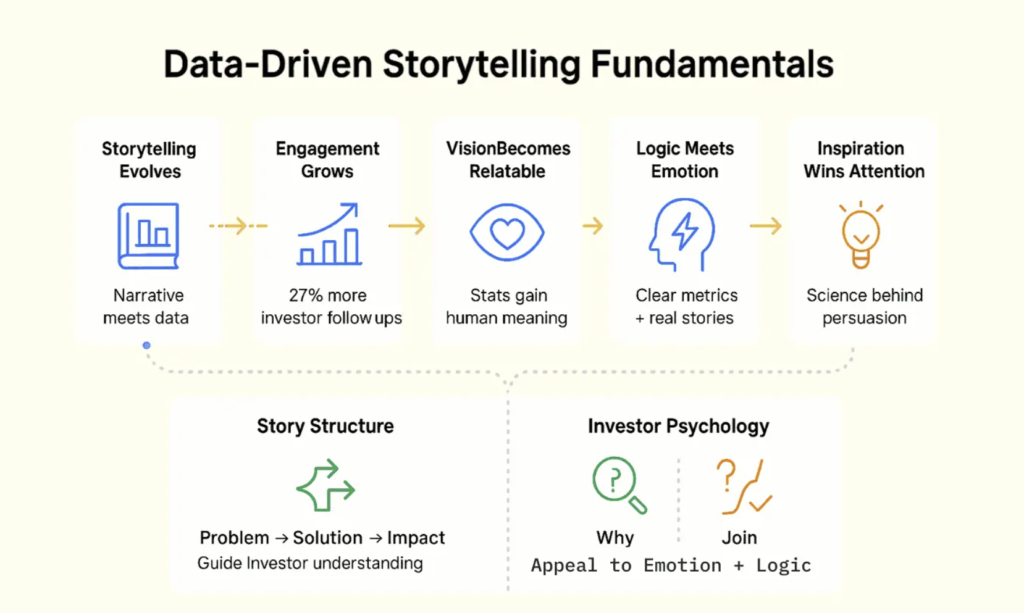
A great pitch is not just data — it’s emotion and purpose combined. Investors may forget your graphs, but they’ll always remember how your story made them feel.
So, tell them why you started. Maybe you faced a problem that no one solved, or you saw an opportunity to make life easier for others. That “why” becomes your strength. Use real stories of customers or small wins. Add human touch to your pitch. When your story is real and heartfelt, it connects. And connection is often more powerful than perfection.
“ Data proves your point. Story makes people believe in it. ”
Mistake 5— No Relationship structure Before Fundraising
What happens?
Founders suddenly decide to raise commercials and start transferring hundreds of cold emails to investors they don’t know.
Why it’s wrong?
Investors infrequently fund non natives. They prefer to invest in founders they’ve seen grow or heard good goods about. Trust is erected over time.
How to fix it?
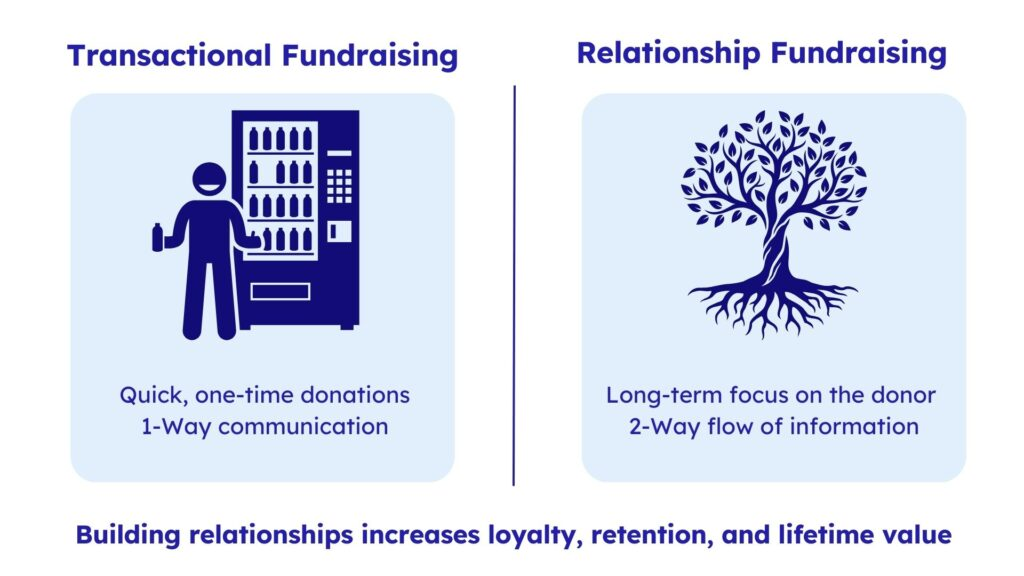
Many founders treat investors like a transaction, not a relationship. But in reality, funding comes from trust, not chance. You can’t build trust overnight.
Start early — months before you actually raise money. Attend events, engage online, talk about your journey, and seek advice. Investors appreciate founders who grow consistently, not those who appear suddenly asking for money. Even if they say “no,” stay polite and keep them updated. One investor who rejects you today might introduce you to your biggest supporter tomorrow.
Building relationships with honesty and patience will always lead to better opportunities than rushing through cold pitches.
“Follow up politely, share updates, and show progress.”
“Fundraising is like dating — making the relationship before asking for commitment”
Quick Checklist Before You Pitch
Before you shoot your sundeck or meet investors, make sure you can confidently answer these.
What’s your exact business model?
What’s your realistic valuation and why?
What are your main fiscal criteria( CAC, LTV, burn)?
Who’s your target request, and how big is it?
What makes your story or platoon different?
Who have you formerly spoken to in the investor network?
Still, you’re formerly ahead of 70 of first- time founders, If you can answer these easily.
Perquisite: Handling Rejection in Entrepreneurship
The first perquisite of rejection is clarity. Each “no” you receive teaches you something new about your business model, your pitch, or your approach. Investors often share honest feedback — what confused them, what felt risky, or what didn’t convince them. Instead of seeing it as criticism, treat it as free advice from people who review hundreds of start ups every year. Many successful founders later realize that those rejections were actually redirections — they helped sharpen the idea and make it stronger.
Rejection also builds resilience, the most underrated skill in entrepreneurship. Every time you bounce back after a tough meeting, you become mentally stronger. You learn to detach your self-worth from someone’s opinion and focus on your purpose instead. This resilience not only helps in fundraising but also in the world of entrepreneurship, rejection is not a possibility — it’s a certainty. Every founder who dreams of building something great will, at some point, hear the word “no.” It may come from investors, customers, mentors, or even friends who don’t understand your vision. Rejection hurts, but it’s also one of the most valuable perquisites — or hidden benefits — that an entrepreneur can receive.
When a start up pitch gets rejected, it can feel personal. Founders often spend sleepless nights perfecting their decks, rehearsing their lines, and hoping for a “yes.” So when that doesn’t happen, disappointment can feel heavy. But what separates strong founders from the rest is not luck — it’s how they handle that “no.” Because behind every rejection lies a lesson that prepares you for the next big opportunity.
The first step in handling rejection is acceptance. Many entrepreneurs waste time blaming themselves or the investors who turned them down. But rejection in funding doesn’t always mean your idea is bad — sometimes, it just means the timing isn’t right. Maybe the investor’s focus area is different, or running your company — facing market failures, customer losses, and product pivots.
Another hidden gift of rejection is empathy. Founders who face tough “no’s” understand struggle deeply. They become more compassionate leaders — kinder to their teams, patient with clients, and understanding toward other entrepreneurs. Rejection reminds us that we’re all human, all learning, and all trying our best to build something meaningful.
The truth is, no successful start up ever grew without rejection. Every “no” teaches you how to present your story better, how to refine your model, and how to believe in your vision even when others don’t. If every investor said yes immediately, you’d never develop the persistence that defines true entrepreneurship.
So, when rejection visits you — pause, breathe, and reflect. Don’t close the door; keep improving until you’re ready to knock again. Each rejection is not the end of your story; it’s a rehearsal for your moment of success. In time, you’ll look back and realize that every “no” was just guiding you toward the right “yes.” That is the real perquisite of handling rejection — growth, strength, and unshakable belief in yourself.
Final studies:-
Fundraising isn’t magic. It’s a skill — one that gets better with medicine and forbearance.
Focus on erecting a strong business first, also partake it with people who can help it grow.
Conclusion: The Human Side of Fundraising — Learning, Growing, and Believing
If you’ve come this far, it means you’re serious about turning your idea into something meaningful. Raising funds is not just a financial process — it’s an emotional journey. It tests your patience, your courage, and your faith in what you’re building. Every meeting, every rejection, and every hard question is part of your growth as a founder.
Most people think fundraising is all about getting money. But in truth, it’s about learning how to tell your story clearly and honestly. It’s about showing that your dream is not just a dream — it’s a plan that can make a difference. Investors don’t just look for profits; they look for clarity, purpose, and commitment. When they see someone who truly believes in their mission, they feel confident putting their trust behind that person.
Every “no” you receive isn’t a failure — it’s a lesson. Each rejection teaches you something about your pitch, your business, or your approach. It’s okay to stumble. What matters is how quickly you learn and how strongly you rise after each fall. The most successful founders are not the ones who got lucky with their first pitch; they are the ones who listened, adapted, and kept moving forward.
Always remember: money follows meaning. When you can explain your purpose with clarity and back it with solid numbers, investors listen. You don’t have to impress them with fancy words — just speak with honesty. Know your product, understand your market, and be open about your challenges. Investors are humans too; they appreciate transparency and authenticity far more than perfection.
The Importance of Founders in Fundraising
Another thing many founders overlook is the power of relationships. Don’t wait until you need funds to talk to investors or mentors. Build connections early — share updates about your progress, ask for feedback, and stay in touch. When people see your consistency over time, they start believing in your potential. Real support doesn’t come from cold emails; it comes from genuine relationships built on trust.
Fundraising should never make you feel small or desperate. It should make you feel stronger, wiser, and more connected. You are not just asking for money — you’re inviting others to join a journey of creation, risk, and impact. When you approach it with humility and confidence, you attract the kind of investors who share your values.
So, take your time. Keep refining your story. Keep learning your numbers. Keep improving your pitch. Don’t chase money — chase clarity, credibility, and connection. When you lead with purpose, the right people will naturally come forward to support you.
At its heart, fundraising is not about convincing others to believe in you; it’s about showing them that you already believe in yourself and your vision. The capital will follow — because passion and persistence are the strongest currencies any founder can have.
Do these five goods and you’ll not only attract investors — you’ll earn their respect.
To know about Why Start ups Fail to Get Funding from Investors click here.
A Founder’s Story: The Pitch That Changed Everything
Rohit didn’t start his start up because he wanted funding. He started it because he was frustrated.
Working a regular job, he noticed a problem that affected people every single day — inefficient processes, wasted time, and no simple solution. Like many founders, he thought, “There has to be a better way.” That thought slowly turned into an idea, and the idea turned into late nights, notebooks filled with sketches, and endless cups of tea.
At first, everything felt exciting.
Rohit imagined investors nodding in agreement, cheques being signed, and his startup growing rapidly. He believed his passion alone would convince anyone. After all, he truly believed in what he was building.
But reality arrived quietly — and harshly.
The First Pitch: Confidence Without Clarity
Rohit’s first investor meeting lasted just twelve minutes.
He spoke confidently about the problem, the market size, and his vision. He showed slides full of graphs and industry buzzwords. He talked about how big the opportunity was.
Then the investor asked a simple question:
“How will you make money?”
Rohit paused.
He answered honestly — “We’re still experimenting. Once users grow, monetization will come later.”
The investor smiled politely and said, “Interesting idea. Let’s stay in touch.”
That was the last he heard from them.
At first, Rohit blamed bad luck. Then he blamed the investor. Then he blamed the market.
But deep inside, doubt started growing.
Rejection After Rejection
Over the next three months, Rohit pitched to twelve investors.
Some meetings were encouraging. Some ended abruptly. Most ended with silence.
Common feedback sounded like this:
“Come back when you have traction.”
“Valuation feels too high.”
“We’re not convinced about scalability.”
“Interesting, but not for us.”
Every rejection felt personal.
He had spent nights refining slides, memorizing numbers, rehearsing answers. Still, the result was always the same — no funding.
One night, sitting alone in his room at 2 a.m., Rohit seriously thought about quitting.
“Maybe I’m not cut out for this,” he thought.
The Turning Point: One Honest Conversation
Everything changed because of one conversation — not a pitch.
At a startup event, Rohit met an experienced founder who had failed twice before succeeding. Instead of pitching, Rohit simply shared his journey honestly.
The founder listened quietly and then said something that stayed with Rohit forever:
“You’re trying too hard to impress investors. You should focus on making them understand you.”
That sentence hit hard.
The founder explained:
Investors don’t expect perfection.
They expect clarity.
They don’t want confidence built on assumptions.
They want confidence built on understanding.
For the first time, Rohit realized something important:
He was pitching like someone asking for money, not like someone building a business.
Rebuilding From the Basics
Rohit went back to the fundamentals.
He stopped chasing investors and started fixing his foundation.
He asked himself difficult questions:
Who exactly is my customer?
Why would they pay?
How much does it cost to reach them?
What happens if growth slows?
He simplified his business model into one clear sentence.
He adjusted his valuation to reflect reality, not emotion.
He learned his numbers — CAC, LTV, burn rate — not to impress, but to understand his business deeply.
Most importantly, he rewrote his pitch story.
Instead of starting with market size, he started with why he began. Instead of hiding risks, he addressed them honestly. Instead of overpromising, he showed progress.
The Pitch That Felt Different
Three months later, Rohit walked into another investor meeting.
This time, he felt calm — not desperate.
He didn’t rush. He didn’t exaggerate.
When an investor challenged his assumptions, he didn’t argue. He explained his reasoning clearly.
When he didn’t know an answer, he admitted it — and shared how he planned to find it.
At the end of the meeting, the investor said:
“This is the first time I actually understand your business.”
Two weeks later, Rohit received his first term sheet.
What Really Changed?
It wasn’t the product.
It wasn’t luck.
It wasn’t networking.
What changed was Rohit.
He stopped seeing fundraising as validation and started seeing it as communication.
He realized investors are not enemies or saviors — they are partners looking for clarity, honesty, and commitment.
Why This Story Matters to Every Founder
Most founders reading this story are somewhere in Rohit’s journey.
Some are still excited. Some are facing rejection. Some are doubting themselves silently.
And that’s okay.
Fundraising is not about proving your worth. It’s about showing your understanding.
Rejection doesn’t mean failure. It means feedback.
Every “no” sharpens your thinking. Every tough question strengthens your foundation. Every setback prepares you for the right “yes.”
The Real Lesson
If you remember one thing from this story, let it be this:
Investors don’t fund the loudest voice in the room. They fund the clearest mind.
Build clarity. Build confidence through knowledge. Build relationships before you need money.
And when you walk into that room again — walk in as a builder, not a beggar.
Because the moment you truly believe in your business with clarity — others will too.
Critical Fundraising Topics Founders Often Miss (But Investors Never Do)
Many founders believe they’ve covered everything once they talk about idea, valuation, and pitch decks. In reality, investors evaluate startups across multiple invisible layers that founders rarely prepare for. Missing these elements doesn’t just weaken your pitch — it silently disqualifies you.
Let’s uncover the most overlooked yet SEO-powerful fundraising topics that every founder must understand.
1. Founder–Investor Fit: Why “You” Matter More Than Your Idea
One of the biggest misconceptions founders make is assuming investors fund ideas first. In reality, investors fund people.
Even with similar ideas, investors will choose the founder who shows:
Emotional maturity
Decision-making clarity
Long-term commitment
Ability to handle pressure
Why Founder–Investor Fit Matters
Investors don’t just write cheques — they enter a long-term relationship. They ask themselves:
Can I trust this founder during a crisis?
Will they listen to advice or act emotionally?
Can they scale as the company scales?
A brilliant idea with an immature founder is a high-risk investment.
How Founders Can Improve Investor Confidence
Speak calmly, not defensively
Admit what you don’t know
Share learning experiences, not excuses
Show progress over perfection
SEO Tip: Terms like founder mindset, investor psychology, and founder credibility rank well and strengthen authority.
2. Cap Table Confusion: A Silent Deal Breaker
Many startups lose funding not during pitching — but during due diligence because of a poorly structured cap table.
What Is a Cap Table?
A capitalization table shows:
Founder equity split
Investor ownership
ESOP pool allocation
Dilution impact across rounds
Common Cap Table Mistakes Founders Make
Giving away too much equity early
Unequal founder splits without logic
No ESOP pool for future hires
Confusing SAFE / convertible notes
Why Investors Care Deeply About Cap Tables
A messy cap table signals:
Poor planning
Future conflict risks
Founder insecurity
Investors want founders to remain motivated and fairly rewarded even after dilution.
A clean cap table shows maturity — not greed.
3. Unit Economics: The Difference Between Growth and Burn
Many founders proudly talk about growth metrics but ignore unit economics — the foundation of sustainable businesses.
What Are Unit Economics?
Unit economics answers one simple question:
Do you make money on each customer?
It includes:
Revenue per customer
Cost to acquire a customer
Cost to serve a customer
Contribution margin
Why Growth Without Unit Economics Scares Investors
If:
CAC > LTV
Margins shrink with scale
Discounts drive growth
Then growth is artificial, not real.
Investors prefer slow but profitable growth over fast unsustainable traction.
4. Go-To-Market Strategy: Beyond “We’ll Use Social Media”
A weak go-to-market (GTM) strategy is one of the most common fundraising red flags.
What Investors Expect in a GTM Strategy
They want clarity on:
First customer segment
Acquisition channel
Sales cycle length
Cost efficiency
Repeatability
Saying “We’ll use Instagram and ads” is not a strategy.
Strong GTM Examples
B2B SaaS → LinkedIn outbound + referrals
D2C → Influencer + community-led growth
Enterprise → Pilot contracts + partnerships
SEO Tip: “go to market strategy for startups” is a high-intent keyword.
5. Competitive Landscape: Saying “No Competition” Is a Mistake
Claiming you have no competition doesn’t impress investors — it alarms them.
Why “No Competition” Is a Red Flag
It signals:
Poor market research
Weak problem understanding
Naivety
Competition validates demand.
How to Present Competition Smartly
Instead of denying competitors:
Categorize them (direct, indirect, alternatives)
Highlight differentiation
Explain your unfair advantage
Investors back founders who respect competition, not ignore it.
6. Legal & Compliance Readiness: Often Ignored, Always Checked
Founders rarely prepare legal documents early — but investors always check them.
Key Legal Areas Investors Review
Company incorporation structure
Shareholder agreements
IP ownership
Founder vesting clauses
Compliance licenses
A single missing document can delay or kill a deal.
Smart Founder Move
Get basics done early:
Founder agreements
IP assignment
Clean incorporation
It shows seriousness and reduces friction.
7. Timing the Fundraise: Raising Too Early vs Too Late
Timing is everything in fundraising.
Raising Too Early
Risks:
Heavy dilution
Weak negotiation power
Idea-stage rejection
Raising Too Late
Risks:
Cash crunch
Desperation
Bad investor terms
Ideal Fundraising Moment
Raise when:
You have momentum
Clear metrics
Enough runway to walk away
Confidence attracts capital.
8. Types of Investors & Why One Size Never Fits All
Not all investors are the same — but founders often pitch them the same way.
Different Investor Types
Angel Investors → Vision + belief
Seed Funds → Traction + clarity
VCs → Scale + returns
Strategic Investors → Synergy
Why Targeting the Right Investor Matters
Pitching the wrong investor wastes:
Time
Energy
Confidence
Smart founders research investors before approaching them.
9. Due Diligence: The Phase Most Founders Are Unprepared For
Raising funds doesn’t end at “yes.”
Due diligence begins after interest.
What Investors Check
Financials
Customer contracts
Legal structure
Team background
Market assumptions
How to Prepare for Due Diligence
Maintain clean records
Be transparent
Never hide weaknesses
Honesty speeds up deals.
10. Post-Funding Reality: Money Solves Less Than You Think
Many founders believe funding brings relief. In reality, it brings pressure.
What Changes After Funding
Higher expectations
Faster decision cycles
Accountability to board
Reduced freedom
Funding amplifies responsibility.
Capital doesn’t reduce stress — it raises the bar.
11. Bootstrapping vs Fundraising: Choosing the Right Path
Fundraising is not success — building value is.
When Bootstrapping Makes Sense
Profitable models
Service businesses
Low capital needs
When Fundraising Is Ideal
Tech-heavy products
Market expansion
Speed advantage
Choosing wisely shows maturity.
12. Exit Thinking: Why Investors Care From Day One
Founders fear exit discussions. Investors expect them.
Why Exit Clarity Matters
Investors ask:
Who could acquire this?
Is IPO realistic?
What’s the time horizon?
You don’t need certainty — just awareness.
“Investors don’t fund ideas; they fund clarity, confidence, and viscosity.”
You may Follow more links to enrich yourself with more information.
“Keep structure, keep learning, and I’ll see you in the coming bone! ”
Founders often fall prey to misapprehensions that can hinder their fundraising efforts. By focusing on clarity, credibility, and connection, rather than merely pursuing capital, they can forge deeper relationships with potential investors. Understanding that successful fundraising is rooted in self-belief and a compelling vision is crucial; it transforms the dialogue from transactional to transformative. Embrace these insights, and you will not only attract financial backing but also earn the unwavering respect of those who invest in your journey.
When founders prioritize genuine connection and articulate their vision with authenticity, they create an environment where investors feel compelled to engage. Addressing common misapprehensions allows entrepreneurs to communicate effectively, demonstrating their commitment and strategic thinking. Remember, it is not just about securing funds but cultivating relationships built on trust and mutual understanding that leads to long-term success. As you navigate the fundraising landscape, let these principles guide you toward building a legacy that resonates beyond mere financial gains.
FAQ
Is raising capital necessary for every start up?
No. Raising capital is not mandatory for every startup. Many successful businesses grow through bootstrapping, revenue reinvestment, or alternative funding methods. External funding is most useful when your startup needs rapid scaling, high upfront investment, or market expansion. Founders should raise capital only when it aligns with their business model and long-term vision—not due to pressure or trends.
What is the biggest mistake founders make while raising capital?
The biggest mistake is believing that funding itself guarantees success. Capital does not fix weak products, unclear market demand, or poor execution. Founders often focus more on fundraising than on building traction, customer validation, and operational discipline—leading to wasted resources and unsustainable growth.
Do investors invest in ideas or execution?
Investors primarily invest in execution, not just ideas. While ideas matter, what truly attracts investors is a founder’s ability to execute—demonstrated through traction, problem-solution fit, team capability, and a scalable business model. A strong execution track record significantly outweighs a great idea with no validation.
At what stage should a start up start fundraising?
A startup should begin fundraising when it has clear clarity on its product, market, and growth direction. This could be at the idea stage, MVP stage, or revenue stage—depending on the business. However, founders are in a stronger position when they can show customer interest, early traction, or measurable progress that reduces investor risk.
Can a start up fail even after raising good funding?
Yes. Many startups fail despite raising significant capital. Poor financial management, lack of market fit, unrealistic growth expectations, and misaligned priorities often lead to failure. Funding amplifies both strengths and weaknesses—without strong fundamentals and disciplined execution, capital can accelerate failure instead of success.
5 thoughts on “Top 5 Shocking Misapprehensions Founders Make When Raising Capital”
Hi, this is a comment.
To get started with moderating, editing, and deleting comments, please visit the Comments screen in the dashboard.
Commenter avatars come from Gravatar.






Hi, this is a comment.
To get started with moderating, editing, and deleting comments, please visit the Comments screen in the dashboard.
Commenter avatars come from Gravatar.